
-
Angel White Chopsticks Set
Regular price 42$ USDRegular priceUnit price per

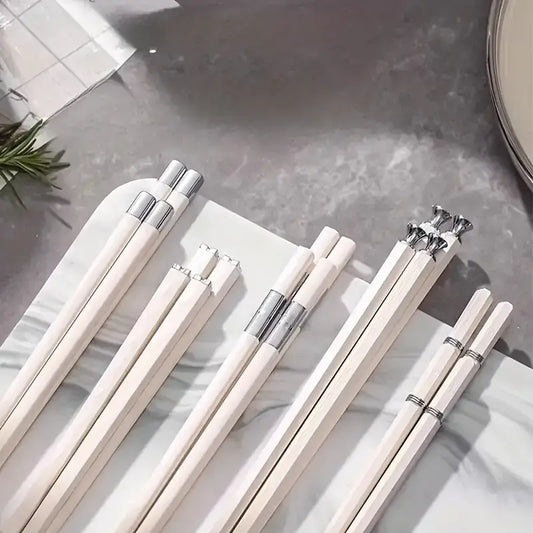
Elegance in Simplicity: White Chopsticks
White chopsticks offer a refined take on traditional dining tools, blending minimalist beauty with timeless cultural significance. Whether used in a modern sushi bar or at home beside a bowl of ramen, white chopsticks symbolize purity, elegance, and attention to detail. They bring a fresh, clean aesthetic to any dining setting while quietly highlighting the beauty of Japanese and Asian culinary traditions.
These utensils are more than just a color variation—they are a conscious design choice. White chopsticks pair well with virtually every table setup, from formal dinners to casual meals. Whether crafted from lacquered wood, ceramic, or eco-friendly materials like bamboo or cornstarch composite, white chopsticks stand out for their chic neutrality and modern sophistication.
Their appeal is universal. From minimalists seeking tableware harmony to culinary artists aiming to complement their plating, white chopsticks are the perfect mix of style and substance. Even in cultural contexts, they often represent peace, beginning anew, and mindfulness—ideals that resonate strongly in both Eastern and global perspectives.
The Meaning of White in Japanese Dining
In Japanese culture, white is associated with purity, simplicity, and sacredness. In the context of dining, it reflects the idea that a meal is not just about taste, but also mindfulness and visual harmony. White chopsticks embrace this philosophy by staying unobtrusive, allowing the colors and textures of the food to take center stage.
Meals in Japan are often regarded as ceremonial moments—times of connection, presence, and gratitude. White chopsticks, with their understated elegance, mirror this reverence. Their brightness suggests a clean slate, making them especially symbolic during events such as weddings, New Year celebrations, and first meals in a new home.
They also harmonize beautifully with traditional Japanese aesthetics like wabi-sabi, which values simplicity, imperfection, and quiet beauty. The unassuming white handle may remind one of winter snow, the curve of a paper crane’s wing, or the blank page of a haiku—inviting mindfulness in every bite.
Materials and Design Styles
White chopsticks come in a wide variety of materials and finishes. Each option provides a unique tactile and aesthetic experience.
| Material | Characteristics |
|---|---|
| Lacquered Wood | Smooth, light, and elegant with a glossy or matte white finish |
| Bamboo | Eco-friendly, lightweight, and naturally anti-microbial with a soft matte hue |
| Ceramic | Heavier and cooler to the touch; often glazed for a sleek look |
| Plastic/Resin | Durable, dishwasher-safe, and often paired with modern tableware |
| Stainless Steel Tips | Hybrid designs with white handles and sleek metallic ends |
Design accents may include:
-
Gold or silver leaf inlays
-
Subtle textures or patterns near the grip
-
Floral motifs or wave patterns etched into the finish
-
Matte or satin coatings for a modern feel
-
Geometric or nature-inspired engravings
There are also travel-friendly collapsible designs and reusable gift sets packaged with matching holders or rests. These combinations serve both functional and decorative roles, making them perfect for everyday use or ceremonial occasions.
When to Use White Chopsticks
While suitable for everyday meals, white chopsticks excel in settings where visual cohesion and elegance matter most:
-
Sushi Nights: Their clean design complements colorful rolls and sashimi.
-
Tea Ceremonies: Paired with delicate wagashi sweets for harmony.
-
Dinner Parties: Add minimalist elegance to a contemporary tablescape.
-
Weddings & Celebrations: Symbolic of purity and new beginnings.
-
Gift Sets: Often included in premium chopstick bundles for their refined appeal.
-
Zen-Inspired Dining: Complements tofu dishes, rice, and plant-based meals.
They also elevate the aesthetic of bento boxes, food styling for blogs, or restaurant plating. Their presence in high-end Japanese restaurants and artisanal dining experiences underlines their status as tools of grace and taste.
In corporate settings, white chopsticks are often part of hospitality kits or ceremonial luncheons to convey class and care. When paired with neutral-toned dishware, linen napkins, and polished drinkware, they create an atmosphere of understated luxury.
How to Care for White Chopsticks
Maintaining the appearance and longevity of your white chopsticks is essential for keeping them looking pristine:
Care Tips:
-
Hand Wash Preferred: Especially for lacquered and bamboo versions to prevent fading.
-
Avoid Prolonged Soaking: To protect painted or woodgrain finishes.
-
Use Mild Soap: Gentle cleaning helps preserve their color and texture.
-
Dry Immediately: Prevents staining or water spots.
-
Store Separately: Use a dedicated chopstick case or bamboo rest to avoid scratches.
For display or gifting, many white chopstick sets come with decorative boxes or sleeves. These packaging options are both practical and beautiful, often adorned with cherry blossom prints, Japanese calligraphy, or soft-touch textures. Some even include matching rests, scrolls, or care cards, enhancing the gifting experience.
For collectors, maintaining the original box and wrapping adds to the set's long-term value. If you're using white chopsticks as part of your daily rotation, consider rotating them with other sets to prevent wear and maintain their elegant sheen.
The Subtle Power of Design
In the world of culinary tools, white chopsticks stand as a quiet force of balance, style, and cultural homage. They remind us that beauty lies in details, and that even the simplest utensils can be elevated through thoughtful design.
More than utensils, they are instruments of grace. Their form encourages intention. Their hue invites mindfulness. Their presence speaks softly but meaningfully in every setting. In a culture that values ritual and aesthetic harmony, white chopsticks function like brushstrokes on a dining canvas—subtle but profound.
They make wonderful gifts for newlyweds, students moving into their first apartment, or anyone who appreciates aesthetic functionality. Whether displayed on a bamboo mat or next to porcelain dishware, white chopsticks bring a peaceful, refined touch to the table.
With each bite, they reflect a deeper appreciation for harmony—between food, form, and feeling. In every grip, there's a gesture of calm intention. In every meal, an invitation to notice more, to enjoy more, and to celebrate the gentle magic of a shared table
