
-
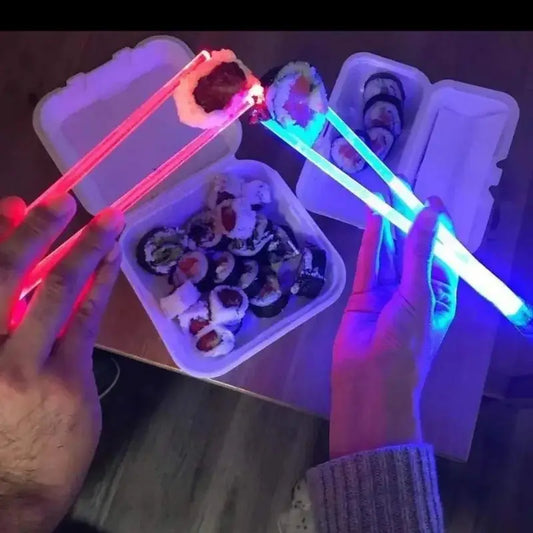
LED Lightsaber Jedi Chopsticks
Regular price 26$ USDRegular priceUnit price per -
Funny T-Rex Dino Chopsticks
Regular price 24$ USDRegular priceUnit price per -
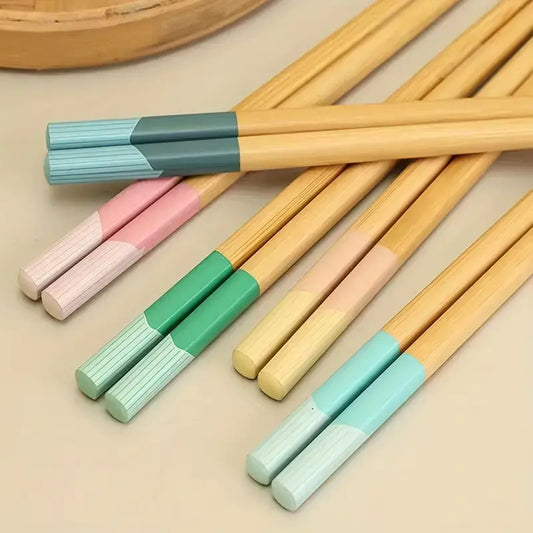
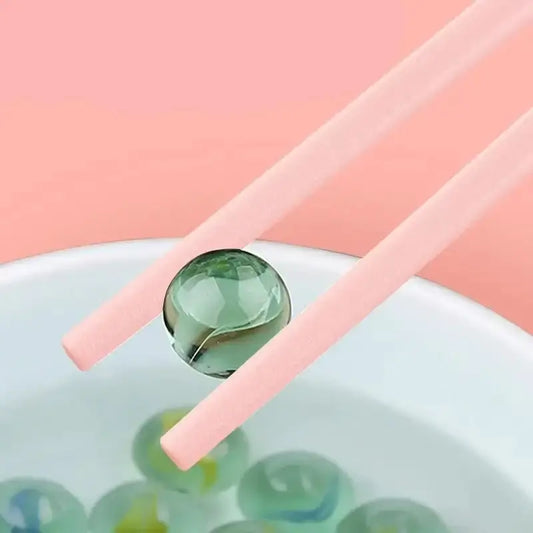
Colorful Pastel Chopsticks Set
Regular price 33$ USDRegular priceUnit price per -
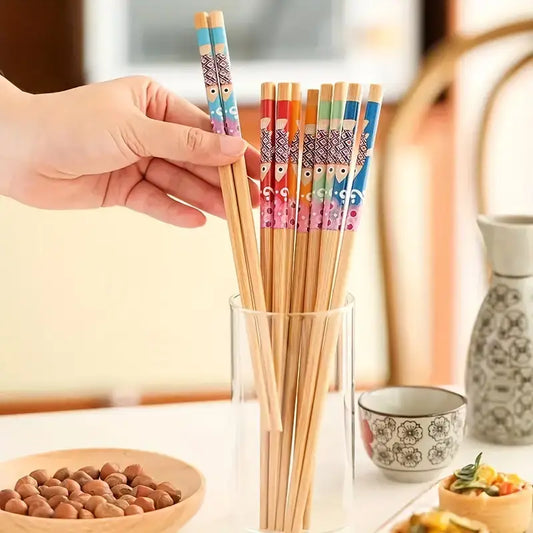
Koi Fish Chopsticks Set
Regular price 35$ USDRegular priceUnit price per -
Zen Blue Sakura Chopsticks Set
Regular price 38$ USDRegular priceUnit price per -
Japanese Ceramic Chopsticks
Regular price 42$ USDRegular priceUnit price per -
Crystal Pattern Chopsticks Set
Regular price 35$ USDRegular priceUnit price per -
Marine Pattern Chopsticks Set
Regular price 35$ USDRegular priceUnit price per -
Maneki Neko Chopsticks Set
Regular price 35$ USDRegular priceUnit price per -
Fruit Mix Ceramic Chopsticks
Regular price 38$ USDRegular priceUnit price per -
Green Geometric Ceramic Chopsticks
Regular price 38$ USDRegular priceUnit price per -
Geometric Pattern Chopsticks Set
Regular price 44$ USDRegular priceUnit price per -
Forest Green Chopsticks Set
Regular price 42$ USDRegular priceUnit price per -
Angel White Chopsticks Set
Regular price 42$ USDRegular priceUnit price per -
Sakura Pink Chopsticks Set
Regular price 42$ USDRegular priceUnit price per -
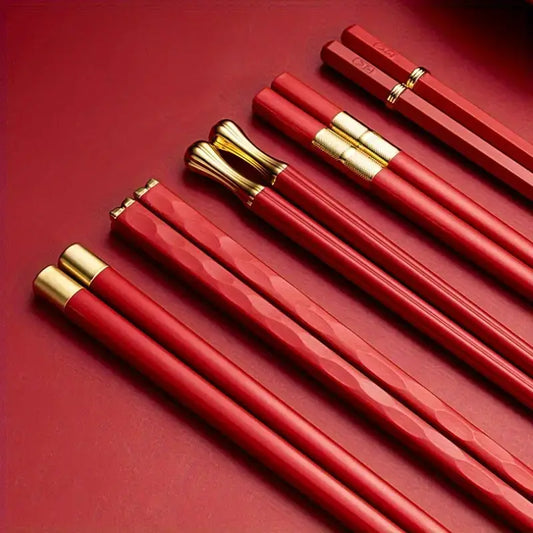
Crimson Red Chopsticks Set
Regular price 42$ USDRegular priceUnit price per -
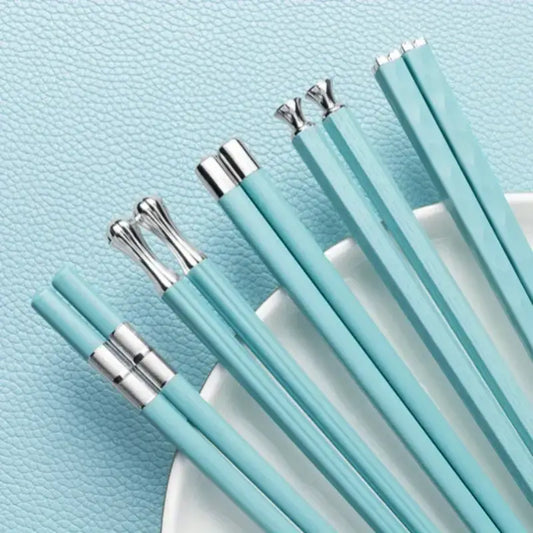
Turquoise Blue Chopsticks Set
Regular price 42$ USDRegular priceUnit price per -
Traditional Pattern Chopsticks Set
Regular price 35$ USDRegular priceUnit price per -
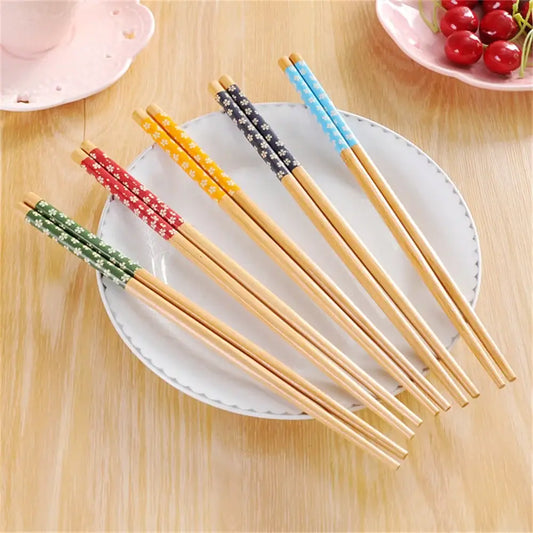
Colorful Sakura Chopsticks Set
Regular price 33$ USDRegular priceUnit price per -
Natural Wood Chopsticks Set
Regular price 26$ USDRegular priceUnit price per -
Blue Ornamental Chopsticks Set
Regular price 28$ USDRegular priceUnit price per -
Black Sandalwood Chopsticks Set
Regular price 38$ USDRegular priceUnit price per -
Korean Style Chopsticks Set
Regular price 38$ USDRegular priceUnit price per -
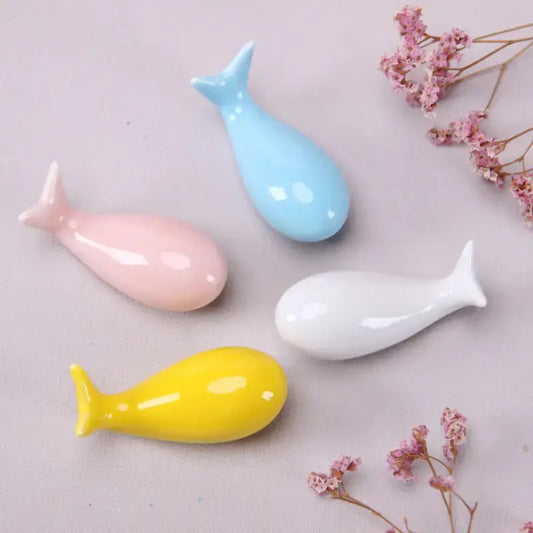
Cute Whales Chopsticks Holder Set
Regular price 21$ USDRegular priceUnit price per -
Sakura Chopsticks Holder Set
Regular price 26$ USDRegular priceUnit price per -
Mushroom Chopsticks Holder Set
Regular price 17$ USDRegular priceUnit price per -

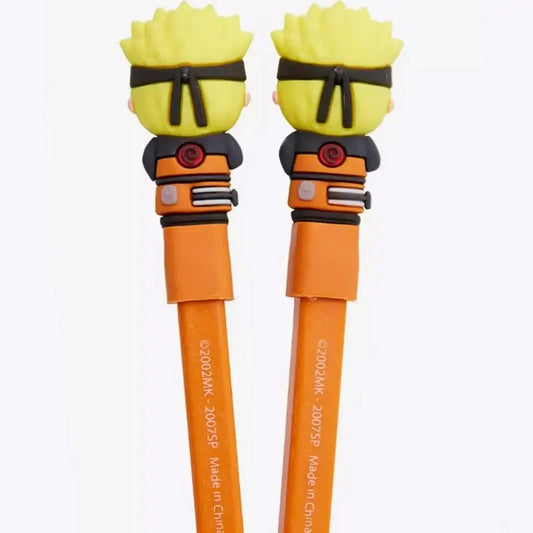 Sold out
Cute Naruto Chopsticks
Regular price 26$ USDRegular priceUnit price per -
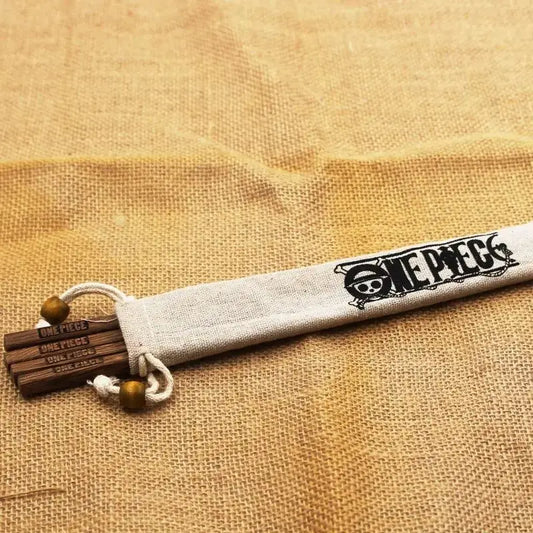
Straw Hat Pirates Chopsticks
Regular price 22$ USDRegular priceUnit price per -
Kuromi Chopsticks Cutlery Set
Regular price 28$ USDRegular priceUnit price per -
Kuromi Training Chopsticks
Regular price 24$ USDRegular priceUnit price per -
My Melody Training Chopsticks
Regular price 24$ USDRegular priceUnit price per -
Cinnamoroll Training Chopsticks
Regular price 24$ USDRegular priceUnit price per -
Kawaii Kuromi Chopsticks
Regular price 21$ USDRegular priceUnit price per -
Kawaii Cinnamoroll Chopsticks
Regular price 21$ USDRegular priceUnit price per -
Kawaii My Melody Chopsticks
Regular price 21$ USDRegular priceUnit price per -
My Melody Cutlery Chopsticks Set
Regular price 21$ USDRegular priceUnit price per


























Chopsticks: Graceful Utility, Timeless Culture
Chopsticks are more than eating utensils—they're cultural icons and instruments of elegance that span millennia. Sleek, functional, and steeped in symbolism, chopsticks have been a staple of East Asian dining for over 3,000 years. Their history, craft, and philosophy echo far beyond the dinner table, reaching into ceremony, tradition, and identity.
From the lacquered ebony pairs used in traditional Japanese kaiseki to the sleek, polished metal sets found in modern Korean households, chopsticks represent precision and presence. They require intention with every movement. Unlike the shovel-like ease of a fork or spoon, chopsticks encourage you to pause, reflect, and connect with the meal—and the people sharing it with you.
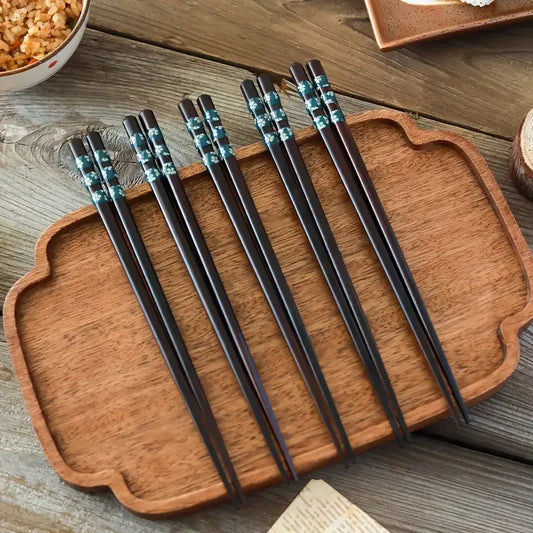
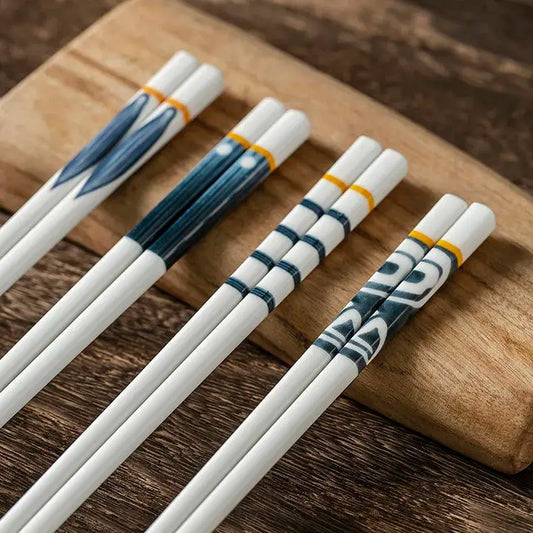
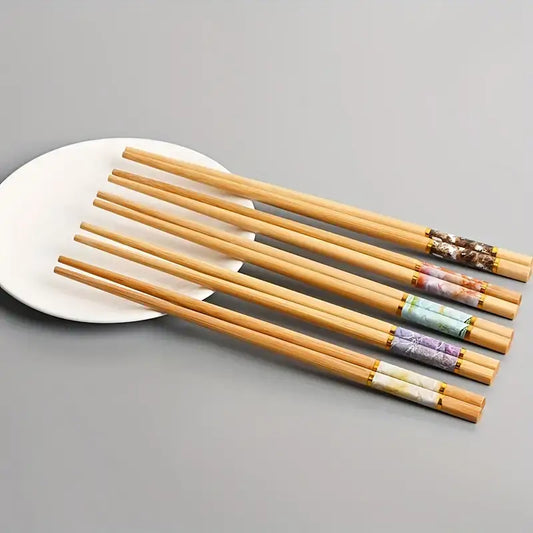
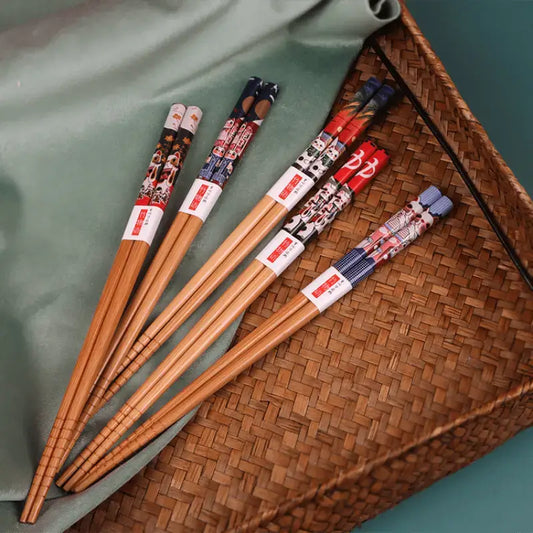
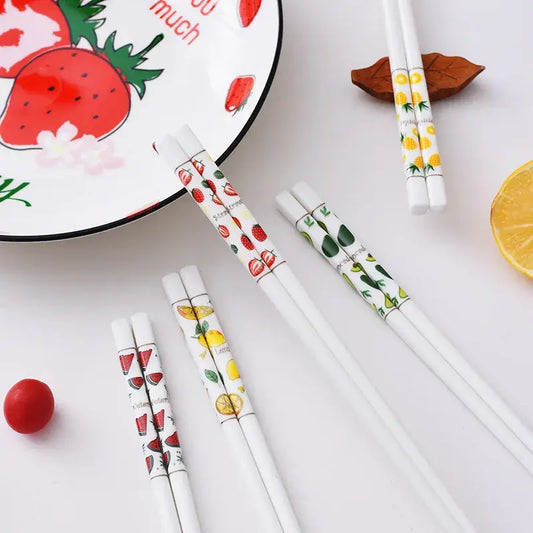
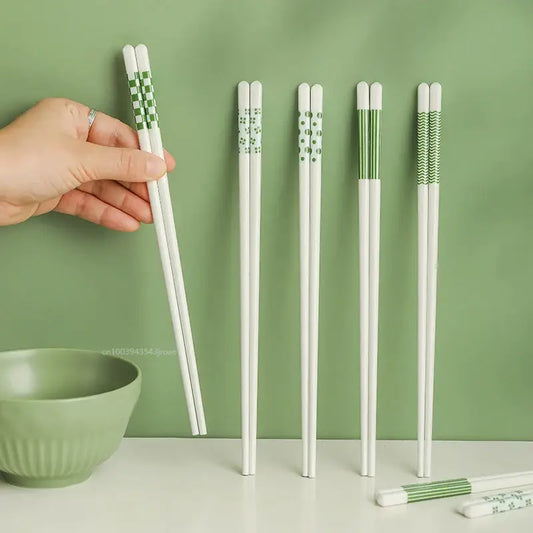
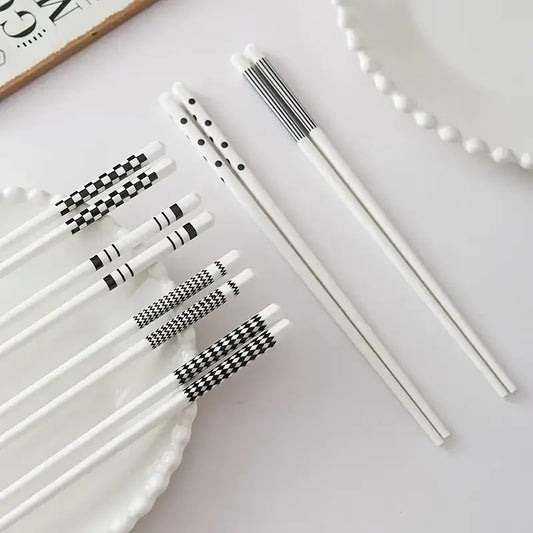
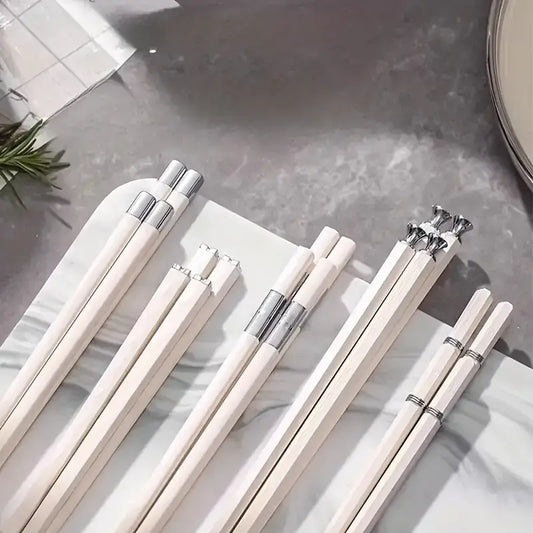
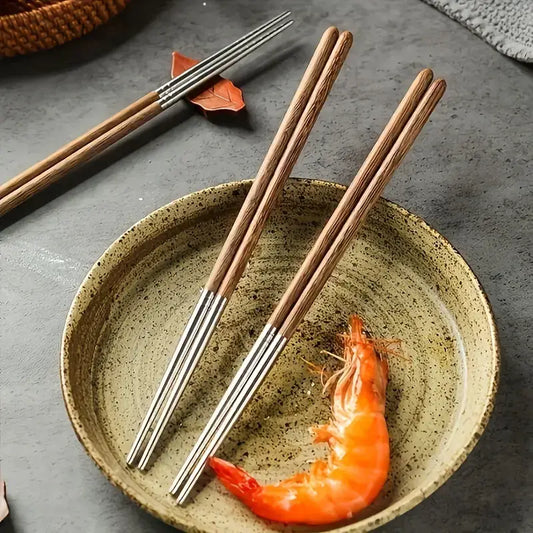
Chopsticks come in endless designs: engraved wood, stainless steel, porcelain-tipped, animal-shaped, artist-collaboration editions, even anime-themed collector sets. Some are handcrafted by artisans; others are manufactured en masse for convenience. Whether you’re reaching for sushi, dim sum, bulgogi, or a steaming bowl of ramen, there’s a perfect pair to elevate the experience.
They aren’t just practical—they’re poetic.
A Cultural Tapestry: Origins & Symbolism
The story of chopsticks begins in ancient China, around 1200 BCE. Originally designed for cooking—long enough to reach into deep pots—they evolved into personal dining tools as the population grew and meals became more structured. As culinary techniques advanced, cutting food in the kitchen instead of at the table became customary, making chopsticks an ideal tool.
Their influence radiated outward:
-
China: Longer, blunt-tipped chopsticks suited for reaching shared dishes.
-
Japan: Short, pointed, often lacquered for delicate handling of fish and rice.
-
Korea: Typically flat and metallic, reflecting royal influence and hygiene preferences.
-
Vietnam: Rounded or square, often wood or plastic, practical for pho and noodle soups.
Symbolically, chopsticks are:
-
Embodiments of duality: Two sticks working in balance to achieve purpose.
-
Symbols of refinement: Their use demands dexterity and etiquette.
-
Cultural markers: Differentiated by length, shape, material, and decoration.
-
Ritual objects: Used in ancestral offerings, weddings, and festivals.
To use chopsticks is to touch history with every meal.
Styles, Materials & Innovation
There’s a chopstick style for every setting, from family tables to five-star restaurants. What was once simple has blossomed into a world of function and fashion.
| Material | Benefits |
|---|---|
| Bamboo | Renewable, biodegradable, warm to the touch |
| Hardwood | Often used in heirloom sets with natural grain patterns |
| Stainless Steel | Dishwasher-safe, heat-resistant, ideal for Korean cuisine |
| Plastic/Resin | Bright colors, inexpensive, perfect for kids or takeout |
| Titanium | Ultra-light, non-corrosive, high-end travel-friendly material |
| Bone/Porcelain | Beautiful but fragile; often ceremonial or decorative |
| Recycled Composites | Eco-conscious, made from coffee husks or rice fiber |
Some designs are:
-
Magnetic: Snap together to prevent loss or slippage.
-
Retractable: Compact for hiking, travel, or bento kits.
-
Weighted: Balanced for ergonomic use.
-
Engraved: Personal names, kanji, patterns, or monograms.
Innovative chopstick rests, fold-out cases, and themed holders (anime characters, cats, sushi rolls) round out the experience. Custom engraving, family crests, or lacquer artistry can transform even the simplest pair into a treasured object.
How to Hold & Use Them
Using chopsticks isn’t about speed—it’s about flow. It’s one of the few eating methods that feels more like dance than function.
Proper Technique:
-
Place the bottom stick snugly between your thumb and ring finger—this stays still.
-
Hold the top stick like a pencil, between thumb, index, and middle fingers.
-
Move only the top stick to pinch, scoop, or lift.
Etiquette Essentials:
-
Do not stab food—this is considered disrespectful.
-
Don’t point—pointing chopsticks at someone is impolite.
-
No upright sticks in rice—this resembles funeral rites.
-
Avoid passing food chopstick-to-chopstick—another funeral association.
-
Use rests—when not eating, place chopsticks on a chopstick rest (hashioki).
Practicing proper form honors tradition and elevates the meal. Plus, once mastered, chopsticks are surprisingly versatile: stirring, flipping, beating eggs, even plating food delicately.
Pairing with Purpose: Meal Matchups & Occasions
Chopsticks adapt beautifully to the meal at hand. Picking the right set enhances both function and vibe.
| Meal Type | Ideal Chopstick Features |
| Sushi & Sashimi | Sleek lacquered or polished wood, clean and minimal |
| Ramen & Udon | Textured bamboo for slippery noodles |
| Korean BBQ & Banchan | Flat stainless steel for heat and hygiene |
| Pho & Rice Bowls | Long, slightly rounded wood or resin |
| Bento & Street Food | Portable, reusable sets with cases and cute designs |
| Ceremonial Meals | Engraved bone, gold-dipped, or family-inscribed heirlooms |
Many households and restaurants coordinate chopstick sets with tableware—aligning color, texture, and material with the meal. In formal settings, some meals may even involve changing chopsticks between courses.
More Than Utensils: Why Chopsticks Matter
Chopsticks are a bridge between food and feeling. They turn every bite into an intentional act. They invite pause, encourage gratitude, and highlight the beauty of detail. Whether passed down as family heirlooms or tucked inside a child’s lunchbox, they carry significance beyond their shape.
What Makes Them Meaningful:
-
They connect cultures: From Tokyo to Taipei, Hanoi to Seoul, they unite billions.
-
They elevate everyday meals: Turning lunch into a calming ritual.
-
They champion sustainability: Reusable pairs reduce waste and preserve forests.
-
They spark creativity: Inspiring art, fashion, and even architecture.
-
They make thoughtful gifts: Especially when customized or presented in elegant boxes.
For travelers, chopsticks become souvenirs. For couples, shared sets mark anniversaries. For artists, they’re canvases. For chefs, they’re extensions of the hand.
To hold a pair of chopsticks is to touch the past, present, and future in a single motion. It’s an experience—cultural, tactile, beautiful. Whether you’re learning for the first time or selecting a luxury set for a dinner party, know that you’re participating in something ancient, artistic, and entirely human.
Choose your pair. Honor the moment. And dine with harmony.
