
-
Sakura Full Ramen Bowl Set
Regular price 48$ USDRegular priceUnit price per -
Deep Blue Bucket Ramen Bowl
Regular price 38$ USDRegular priceUnit price per -
Enso Zen Japanese Bowl
Regular price 38$ USDRegular priceUnit price per -
Zen White Ramen Bowl
Regular price 34$ USDRegular priceUnit price per -
 Sold out
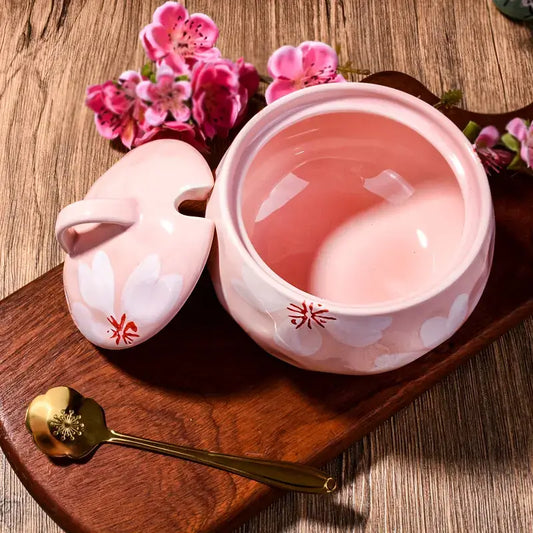
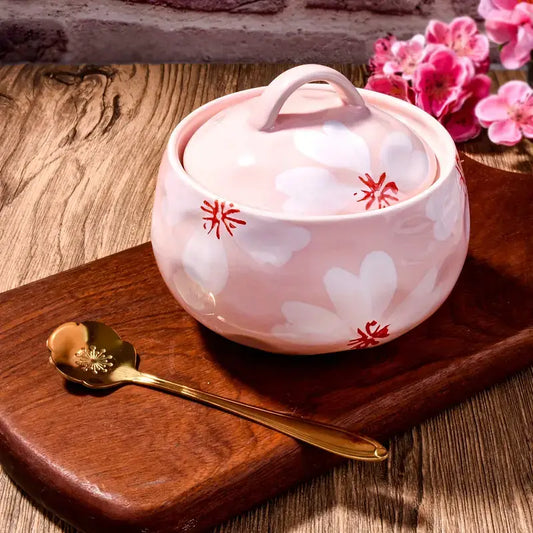
Sakura Lid Bowl with Spoon
Regular price 38$ USDRegular priceUnit price per -
Traditional Wooden Rice Bowl
Regular price 16$ USDRegular priceUnit price per -
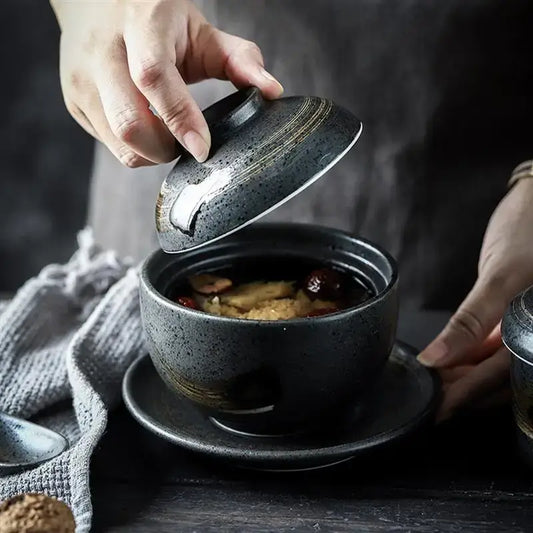
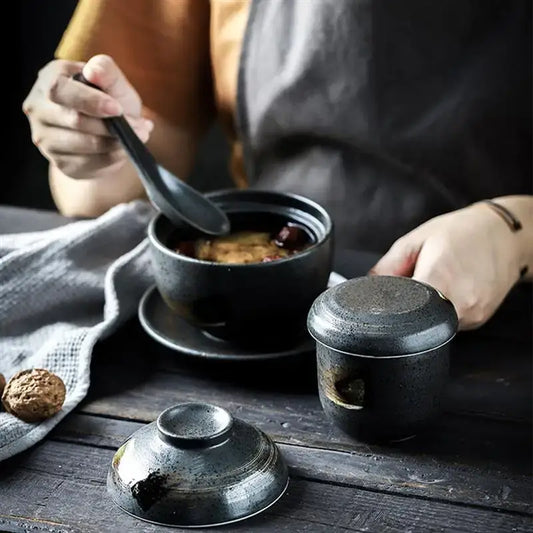
Japanese Waves Miso Bowl
Regular price 24$ USDRegular priceUnit price per -
 Sold out
 -
Stainless Steel Ramen Bowl
Regular price 24$ USDRegular priceUnit price per -
Japanese Miso Bowl
Regular price 18$ USDRegular priceUnit price per -
Instant Noodles Ramen Bowl
Regular price 28$ USDRegular priceUnit price perInstant Noodles Ramen Bowl
Regular price 28$ USDRegular priceUnit price perInstant Noodles Ramen Bowl
Regular price 28$ USDRegular priceUnit price per -
Luffy Hat Ramen Bowl
Regular price 35$ USDRegular priceUnit price per -
Quick Ramen Microwave Bowl
Regular price 26$ USDRegular priceUnit price perQuick Ramen Microwave Bowl
Regular price 26$ USDRegular priceUnit price perQuick Ramen Microwave Bowl
Regular price 26$ USDRegular priceUnit price per -
Cute Shiba Ramen Bowl Set
Regular price 24$ USDRegular priceUnit price per -
Kawaii Bunny Ramen Lid Bowl
Regular price 28$ USDRegular priceUnit price perKawaii Bunny Ramen Lid Bowl
Regular price 28$ USDRegular priceUnit price perKawaii Bunny Ramen Lid Bowl
Regular price 28$ USDRegular priceUnit price per -
Kawaii Life Rice Bowl
Regular price 18$ USDRegular priceUnit price perKawaii Life Rice Bowl
Regular price 18$ USDRegular priceUnit price perKawaii Life Rice Bowl
Regular price 18$ USDRegular priceUnit price per -
Baby Blue Ramen Bowl Set
Regular price 18$ USDRegular priceUnit price per -
Sakura Mini Bowls Set
Regular price 28$ USDRegular priceUnit price per -
Panda Bamboo Cereal Bowls Set
Regular price 36$ USDRegular priceUnit price per -
Mini Steel Ramen Bowls Set
Regular price 36$ USDRegular priceUnit price per -
Japanese Patterns Bowls Set
Regular price 64$ USDRegular priceUnit price per -
Sakura Seasons Bowls Set
Regular price 46$ USDRegular priceUnit price per -
Kuromi Kawaii Goth Bowl
Regular price 35$ USDRegular priceUnit price per -
Bamboo Wood Miso Soup Bowl
Regular price 17$ USDRegular priceUnit price per -
Large Bamboo Wood Bowl
Regular price 38$ USDRegular priceUnit price per -
Ace Hat Anime Bowl
Regular price 20$ USDRegular priceUnit price per


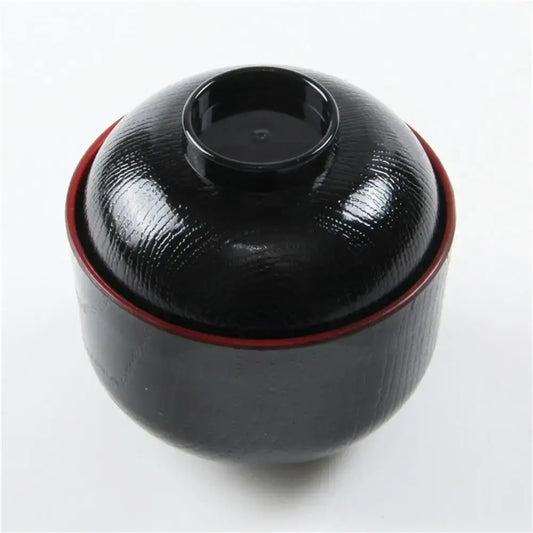


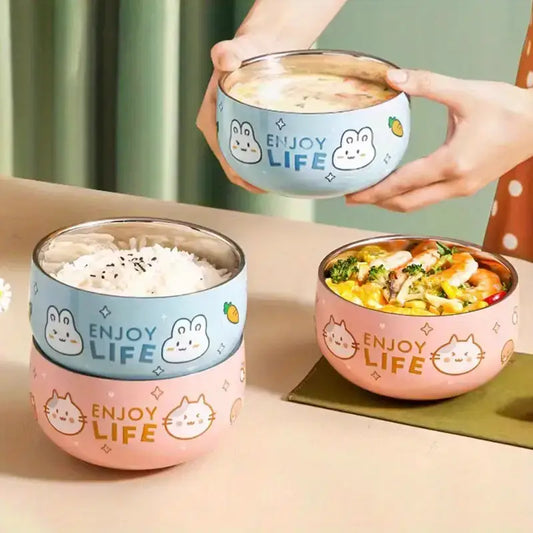


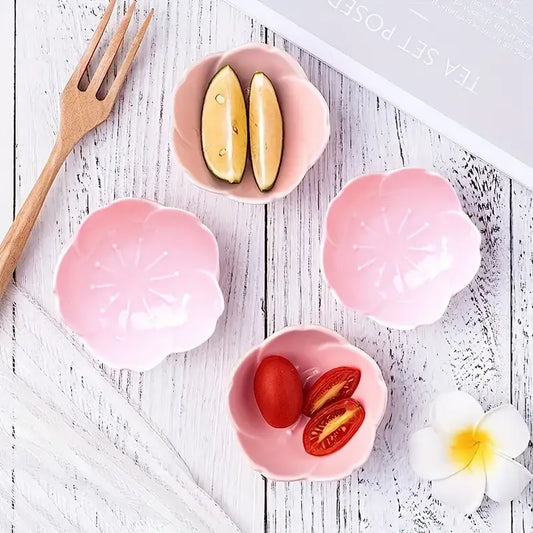


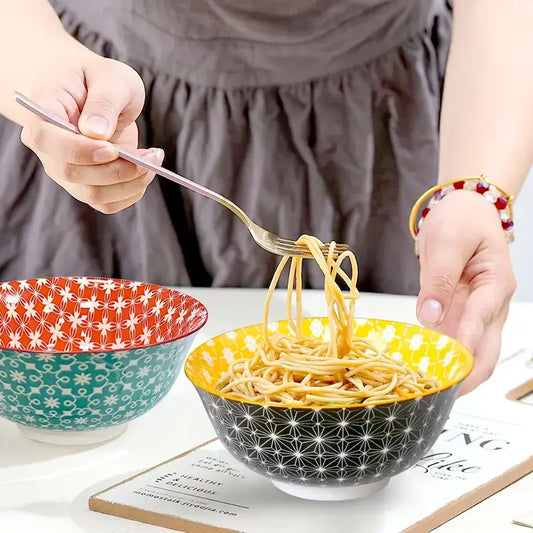


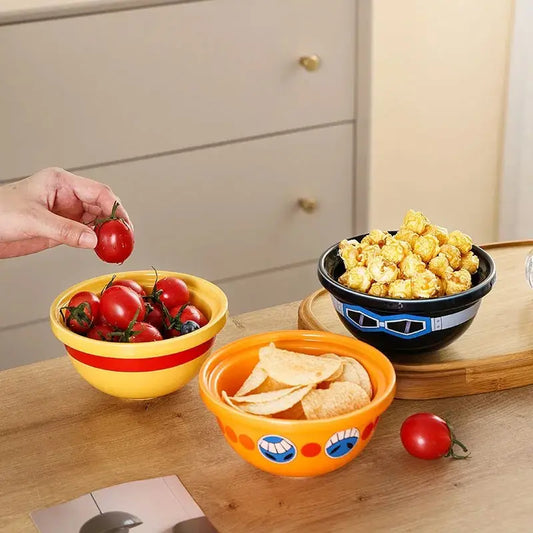
Craft Meets Culture: Discover the Beauty of the Japanese Bowl
In the art of Japanese dining, the bowl is more than a vessel — it is a fusion of function, aesthetics, and cultural reverence. Whether it cradles steaming rice, soothing miso, or vibrant ramen, the Japanese bowl transforms every meal into an experience of care, balance, and artistry.
From rustic hand-thrown ceramics to sleek porcelain forms adorned with indigo waves or seasonal florals, each bowl reflects a philosophy of mindfulness, craftsmanship, and harmony with nature. With every curve and glaze, the Japanese bowl honors tradition while inviting everyday elegance.
A History of Form and Function: The Legacy of Japanese Tableware
Japanese bowls date back to ancient earthenware of the Jōmon period and evolved with the influence of Chinese porcelain and Zen aesthetics. Over centuries, different regions developed distinct styles, each rooted in local clay, kilns, and cultural rituals.
| Bowl Type | Use | Regional Origin |
|---|---|---|
| Chawan | Rice or tea | Kyoto, Seto, Mino |
| Donburi | Hearty rice/noodle dishes | Various |
| Miso Bowl | Soup, typically lacquered | Aizu, Yamanaka |
| Ramen Bowl | Large, deep bowls for noodles | Modern adaptations |
| Matcha Bowl | Tea ceremony, whisking matcha | Raku, Hagi, Shino |
Each type is designed with purposeful depth, curvature, and material to enhance the dish it serves.
Why Japanese Bowls Are Essentials of Everyday Art
A Japanese bowl isn't just a kitchen item — it’s a sensory and symbolic experience. Here’s what makes them essential:
Craftsmanship: Handmade or kiln-fired, each bowl carries the imprint of the artisan.
Wabi-Sabi Aesthetic: Celebrates asymmetry, natural texture, and simplicity.
Functional Design: Thoughtfully sized and shaped for comfort in hand and harmony with chopsticks.
Cultural Connection: A bridge to Japanese rituals, hospitality, and appreciation of beauty in the everyday.
Versatility: Suitable for rice, soups, salads, desserts, tea, or decorative display.
Every use becomes an act of intention and elegance.
Styling and Using Japanese Bowls: Tableware with Soul
Japanese bowls are made to be seen, held, and celebrated. Here’s how to incorporate them into your lifestyle:
| Bowl Type | Ideal Uses | Style Pairing |
| Chawan (Rice Bowl) | Steamed rice, small sides | Wooden tray, chopstick rest |
| Donburi Bowl | Gyudon, katsudon, oyakodon | Bamboo placemat, ceramic spoon |
| Ramen Bowl | Tonkotsu, miso, shoyu ramen | Noodle spoon, soup base pouring vessel |
| Matcha Bowl (Chawan) | Tea whisking and sipping | Matcha whisk set, incense nearby |
| Miso Soup Bowl | Broth, tofu, seaweed | Lacquer tray, ceramic lid |
Tips:
-
Choose natural lighting to highlight glaze and form.
-
Mix different sizes and textures for a layered look.
-
Display bowls on open shelves when not in use.
Complementary Elements for Your Japanese Dining Experience
To elevate your bowl usage into a full experience, pair it with items that reflect harmony and detail.
| Complement | Why It Works |
| Lacquered trays | Frames the bowl and enhances presentation |
| Ceramic chopstick rests | Adds refinement and ease |
| Bamboo placemats or trays | Natural texture and contrast |
| Sake sets or tea sets | Cultural and functional pairing |
| Hand-folded napkins or tenugui cloths | Traditional detail and practicality |
Together, these additions turn your meal into an act of intentional beauty and cultural connection.
Japanese Bowls: Everyday Objects, Eternal Meaning
The Japanese bowl is a celebration of form and feeling. It holds not just food, but the values of respect, balance, and mindful living. Whether you're sipping miso at home or gifting a handmade bowl to a friend, you're honoring a tradition where even the simplest moment can become profound.
Embrace the bowl. Elevate the meal. Honor the art.
The Japanese bowl is more than tableware — it's a living tradition, held in your hands.
