
-
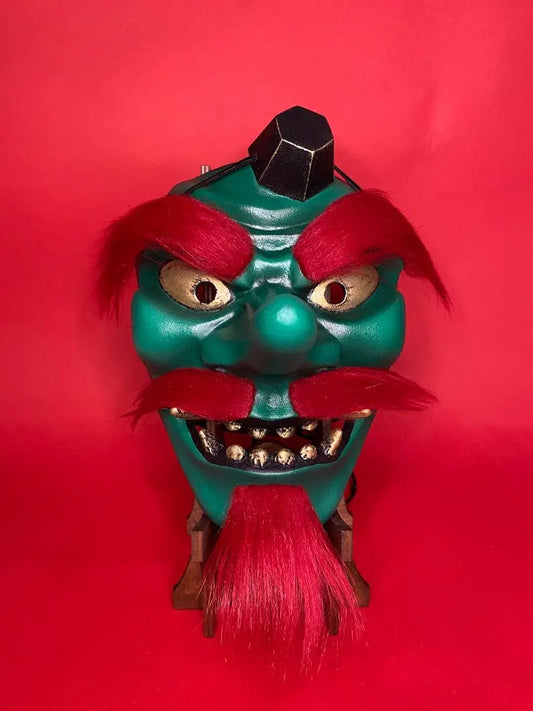
Red Hair Green Tengu Mask
Regular price 316$ USDRegular priceUnit price per -
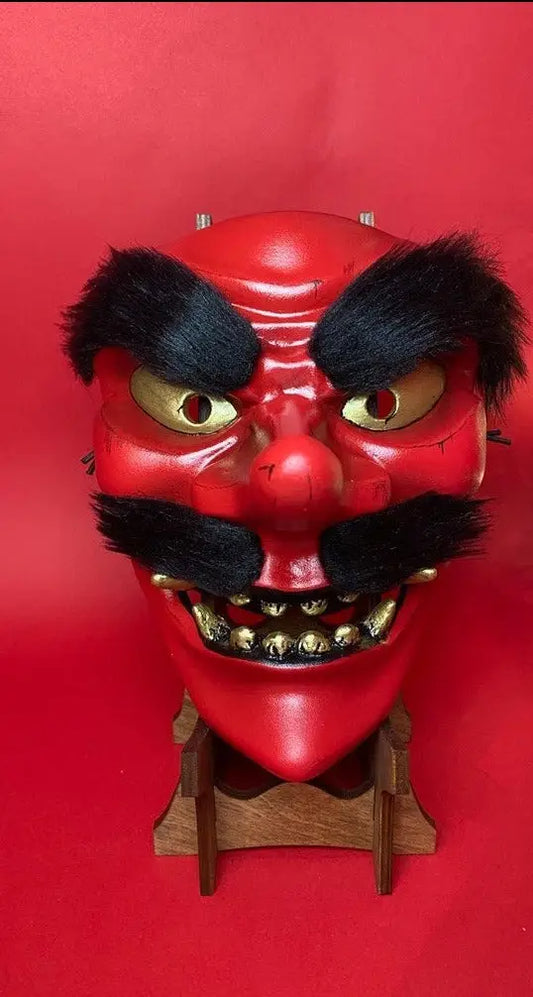
Black Hair Red Tengu Mask
Regular price 284$ USDRegular priceUnit price per -
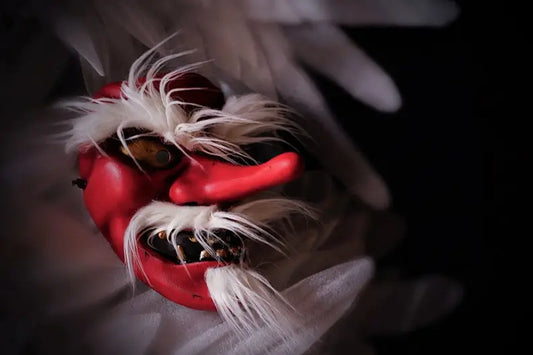
White Hair Red Tengu Mask
Regular price 284$ USDRegular priceUnit price per -
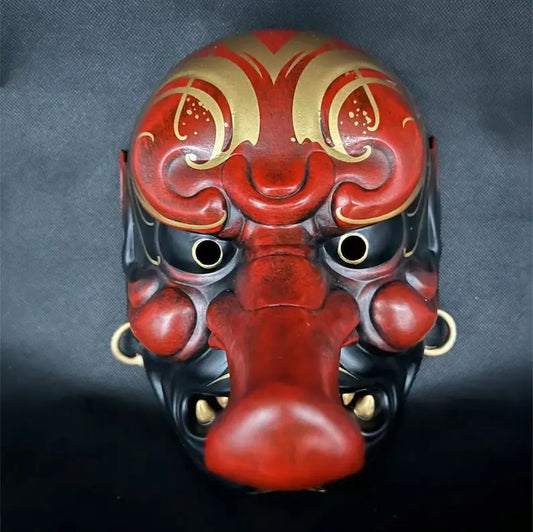
Gold Ornated Tengu Mask
Regular price 184$ USDRegular priceUnit price per -
Tengu Oni Demon Mask
Regular price 214$ USDRegular priceUnit price per -
Black Tengu Yokai Mask
Regular price 154$ USDRegular priceUnit price per





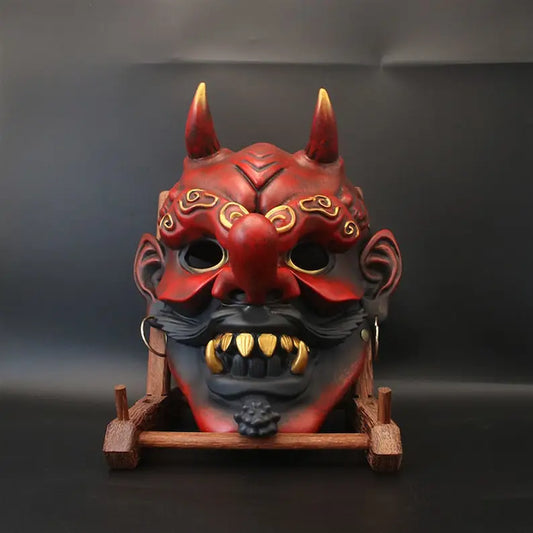


Mystical Symbolism: Discover the Power of the Tengu Mask
Dramatic, fearsome, and steeped in legend, the Tengu Mask is one of the most iconic and enigmatic symbols of Japanese folklore. With its signature long red nose, fierce expression, and bushy brows, the tengu mask doesn’t just catch the eye—it commands presence. Representing supernatural beings from Shinto and Buddhist traditions, this mask has transcended its mythological origins to become a powerful statement in festivals, theater, and modern culture.
Whether worn during traditional rituals or displayed as decor, the tengu mask conveys strength, wisdom, and rebellious spirit. It stands at the crossroads of divine protector and wild trickster, making it a symbol both revered and feared.
Origins in Legend: The Mythological Roots of the Tengu
The tengu first appeared in Japanese literature as early as the 6th century, influenced by Chinese and Indian mythology. Originally seen as disruptive demons, they later evolved into mountain-dwelling spirits known as yamabushi tengu — part crow, part man, and deeply linked with the martial and spiritual disciplines of the mountains.
| Type of Tengu | Description | Symbolism |
|---|---|---|
| Karasu Tengu | Crow-like with a beak | Messenger spirit, agility, stealth |
| Daitengu | Human form with long red nose | Power, discipline, warrior prowess |
| Yamabushi Tengu | Monk-garbed guardian | Wisdom, isolation, spiritual strength |
Tengu are often guardians of sacred forests and temples, known to both punish arrogance and protect the virtuous.
Why the Tengu Mask Stands Out
The tengu mask isn't just a costume piece—it's a declaration of cultural depth, theatrical boldness, and inner strength.
Visual Impact: The exaggerated features make it an unforgettable image, rich with theatrical drama.
Cultural Resonance: Used in Noh and Kabuki performances, shrine parades, and seasonal festivals.
Storytelling Tool: Each mask embodies character traits like pride, mischief, power, or redemption.
Warrior Spirit: Favored by martial artists and mountain monks as a symbol of determination and self-mastery.
Decor with Meaning: Displayed in homes or studios as protective talismans or conversation starters.
The tengu mask bridges ancient mythology with modern style, empowering the wearer (or viewer) to embrace their boldest self.
Styling and Displaying the Tengu Mask
From ceremonial wear to avant-garde fashion, the tengu mask fits many roles:
| Use | Style Tips | Occasions |
| Festival Wear | Pair with yukata or samurai robes | Matsuri, cosplay, Obon parades |
| Theatrical Performance | With traditional robes and staff | Noh, Kabuki, martial reenactments |
| Home Decor | Mount on wood or lacquered wall panel | Meditation room, dojo, study |
| Fashion Statement | Contrast with modern streetwear | Photoshoots, edgy events |
| Spiritual Use | Place near altar or entrance | Symbol of protection, personal strength |
Tips:
-
Choose masks made from lacquered wood, resin, or papier-mâché for authenticity.
-
Use spotlighting when displaying on walls to emphasize features.
-
Combine with incense, calligraphy, or bonsai for atmospheric setups.
Pairing with Other Elements: Build a Mythical Atmosphere
To enhance the power of the tengu mask, consider these complementary items:
| Item | Role |
| Hakama or Samurai Jacket | Completes a warrior-inspired look |
| Japanese Lanterns | Adds a festival or temple ambiance |
| Incense Burner or Kōdō Set | Enhances spiritual and sensory environment |
| Tessen (folding fan) | Martial arts symbolism and performance utility |
| Tōrō (stone lanterns) | Pairs beautifully in garden or shrine decor |
These pieces contribute to a rich and immersive narrative of power, protection, and ancient mysticism.
Tengu: The Spirit Behind the Mask
To wear a tengu mask is to channel an ancient force—wild, wise, and watchful. Whether displayed or worn, it invites reflection on power, pride, and the boundaries between discipline and chaos.
In today’s world, the tengu mask serves as both a guardian spirit and a statement of individuality. It reminds us that tradition can be fierce, that legends can live in fabric and lacquer, and that masks can reveal more than they hide.
The tengu mask is not just folklore—it's fire and spirit carved into form
