
-
Kawaii Cats Women Silk Kimono
Regular price 40$ USDRegular priceUnit price per -
Night Floral Silk Kimono
Regular price 40$ USDRegular priceUnit price per -
Crimson Floral Silk Kimono
Regular price 40$ USDRegular priceUnit price per -
Women Red Floral Silk Kimono
Regular price 40$ USDRegular priceUnit price per -
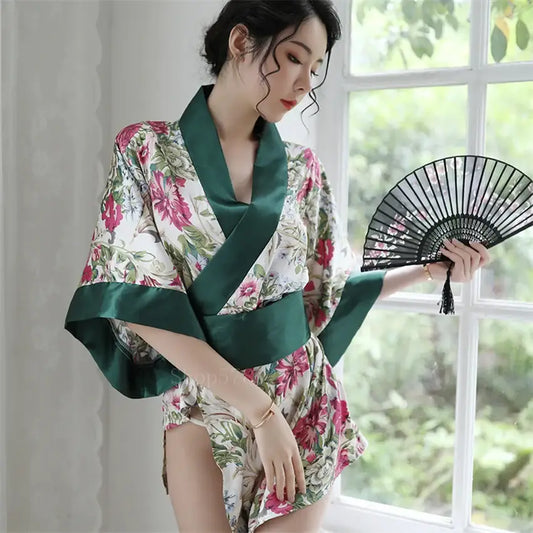
Green Floral Silk Kimono
Regular price 40$ USDRegular priceUnit price per -
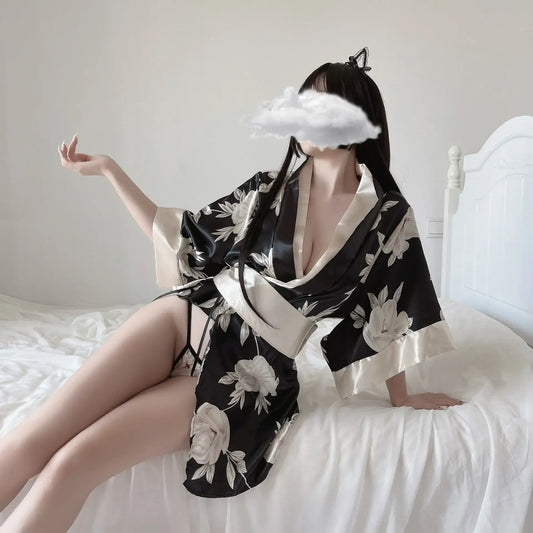
White Floral Black Silk Women Kimono
Regular price 40$ USDRegular priceUnit price per

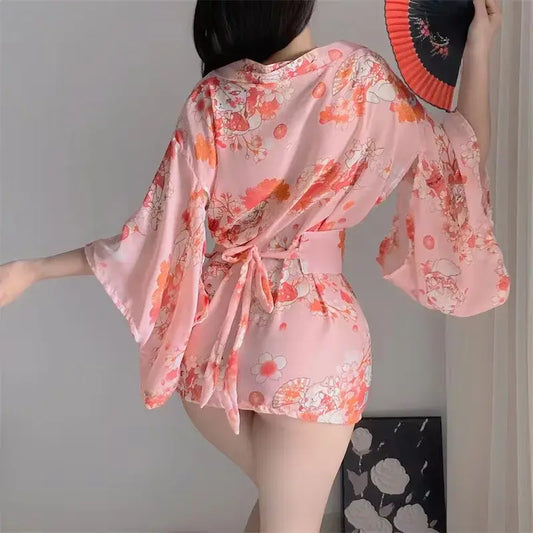

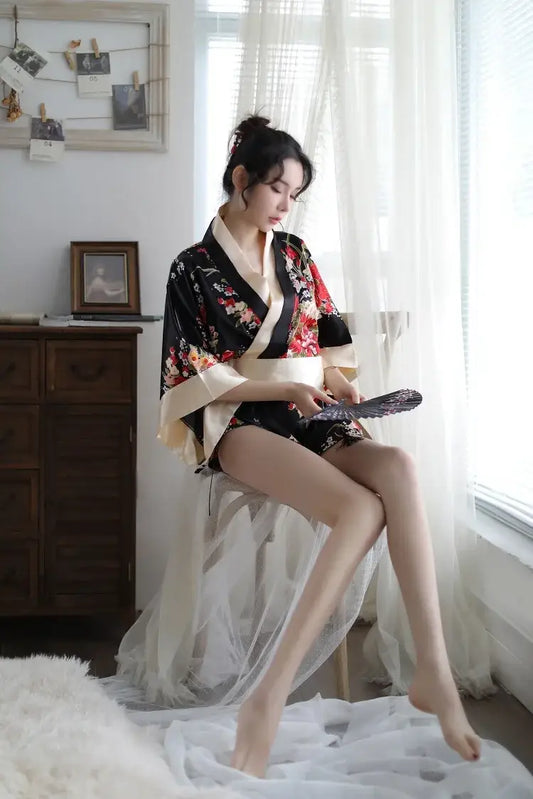

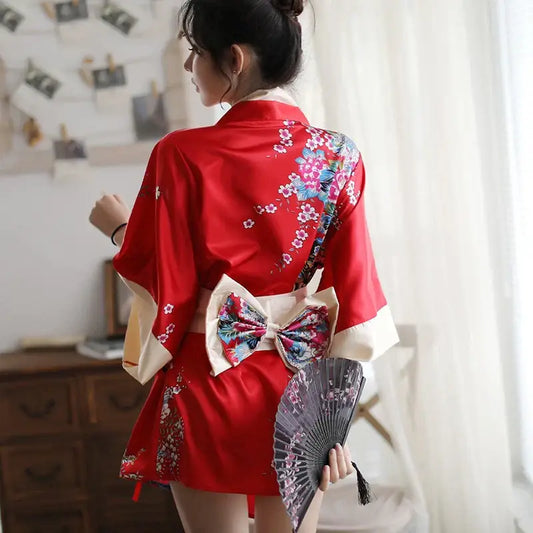

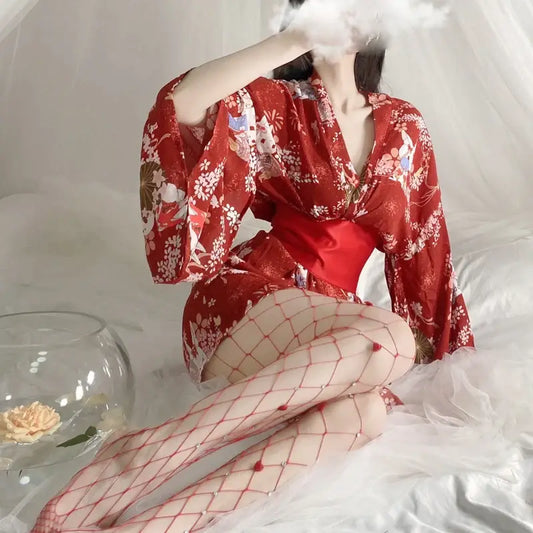


Elegance in Every Thread: Discover the Luxury of the Silk Kimono
Step into the realm of timeless refinement with the Silk Kimono — a garment that embodies grace, craftsmanship, and cultural richness. Revered for its lustrous texture, natural drape, and intricate artistry, the silk kimono is the pinnacle of Japanese textile tradition and ceremonial elegance. Whether worn in solemn rituals or high-fashion settings, a silk kimono transforms every movement into a poetic expression.
Wearing silk isn’t just about style — it’s about honoring heritage and embracing tactile luxury. From hand-painted landscapes to gold-threaded embroidery, the silk kimono is where textile meets storytelling.
The History and Significance of Silk in Japanese Kimono Craft
Silk has been prized in Japan since its introduction during the Nara period (710–794), becoming the fabric of choice for nobility, geisha, and spiritual leaders. Its durability, sheen, and ability to hold dye made it ideal for formal kimono production, especially during the Heian and Edo periods.
| Silk Kimono Type | Purpose | Features |
|---|---|---|
| Furisode | Unmarried women's formal wear | Long sleeves, bold designs |
| Tomesode | Married women's formal kimono | Shorter sleeves, elegant patterns below waist |
| Houmongi | Visiting attire for both married and unmarried | Seamless patterns across shoulder, sleeve, and hem |
| Iromuji | Ceremonial, tea ceremonies | Single color, often with family crest |
| Uchikake | Wedding outer kimono | Heavy, ornate, often with metallic threads |
Silk kimonos are often passed down through generations as heirlooms of memory and artistry.
Why Silk Makes All the Difference
Silk isn’t just a fabric — it’s a feeling. Luxurious, breathable, and ethereal, it enhances every aspect of kimono-wearing.
Lustrous Finish: Reflects light beautifully, enhancing the depth of dyed colors and patterns.
Fluid Movement: Drapes naturally for a more graceful silhouette.
Canvas for Artistry: Perfect for hand-dyeing, painting, or embroidery.
Year-Round Wear: Breathable in summer, insulating in winter — ideal for ceremonial use throughout the year.
Status and Craft: Wearing silk reflects appreciation for traditional craftsmanship and personal elegance.
No fabric tells a story like silk, and no garment tells it more beautifully than the silk kimono.
Styling the Silk Kimono: Fluid Fashion with Cultural Roots
The silk kimono can be styled for tradition, elegance, or modern edge. It responds to light, movement, and setting with dramatic effect.
| Style Mood | Kimono Type | Obi Belt | Accessories | Footwear |
| Traditional Ceremony | Gold-accented furisode | Brocade obi with silver cord | Kanzashi hairpins, folding fan | White zōri |
| Artistic Formal | Hand-painted houmongi | Gradient obi with seasonal motif | Obi-jime, elegant clutch | Embroidered sandals |
| Minimal Luxe | Solid silk iromuji | Pale sash with embossed texture | Pearl earrings, fine watch | Modern flats |
| Bridal Opulence | Ornate uchikake with cranes or florals | Worn open over white inner kimono | Layered combs, heirloom jewelry | Soft wedding footwear |
| Street-Style Fusion | Silk haori over Western outfit | Belted waist | Boots, bold earrings | Sneakers or heels |
Tips:
-
Let silk shine with simplicity or command with contrast.
-
Match silk's softness with delicate accessories or ground with texture like wood or leather.
-
Ensure underlayers are breathable and complement the drape.
Pairing and Preserving the Silk Kimono
Owning a silk kimono is a joy and a responsibility. Enhance and maintain it with care:
| Pairing Element | Purpose |
| Obi made of Nishijin or Fukuro weave | Matches luxury with tradition |
| Silk juban (underkimono) | Protects the outer kimono and enhances structure |
| Washi paper storage wrap | Prevents fabric damage over time |
| Lightweight haori | Adds layering without hiding the main piece |
| Silk-friendly sachets (lavender or cedar) | Keeps fabric fresh and insect-free |
Care Tips:
-
Store folded in breathable fabric, out of direct sunlight.
-
Avoid moisture and perfume contact.
-
Dry clean only by kimono or silk specialists.
The Silk Kimono as Living Art
The silk kimono is not just a garment. It’s a masterpiece of motion, meaning, and material. It holds stories within its weave, grace within its silhouette, and heritage within every stitch.
To wear a silk kimono is to embody patience, poise, and power. It is to honor generations of craft and express yourself in threads that whisper elegance.
Let it flow with your spirit. Let it shine with your story.
The silk kimono is elegance made eternal.
