
-
Sage Scroll Shinobi Gym Bag
Regular price 47$ USDRegular priceUnit price per -

 Sold out
Shinobi Anime Baby Onesie
Regular price 26$ USDRegular priceUnit price per -
Shinobi Anime Thermos Cup
Regular price 21$ USDRegular priceUnit price per -
Uzumaki Shinobi Anime Sweatpants
Regular price 48$ USDRegular priceUnit price per -
Shinobi Ninja Boots
Regular price 38$ USDRegular priceUnit price per -
Kakashi Shinobi Anime Credit Card Skin
Regular price 11$ USDRegular priceUnit price per -
Shinobi Kunai Replica
Regular price 26$ USDRegular priceUnit price per -
Rock Lee Shinobi Shirt
Regular price 28$ USDRegular priceUnit price per -
Konoha Shinobi Anime Wallet
Regular price 28$ USDRegular priceUnit price per -
Shinobi Star Anime Pin
Regular price 8$ USDRegular priceUnit price per -
Shiba Inu Shinobi Ukiyo-e T-Shirt
Regular price 28$ USDRegular priceUnit price per -
Shinobi Rabbit Wall Scroll
Regular price From 28$ USDRegular priceUnit price per -
Shinobi Cat Wall Scroll
Regular price From 28$ USDRegular priceUnit price per -
Itachi Shinobi Anime Poster
Regular price From 14$ USDRegular priceUnit price per -
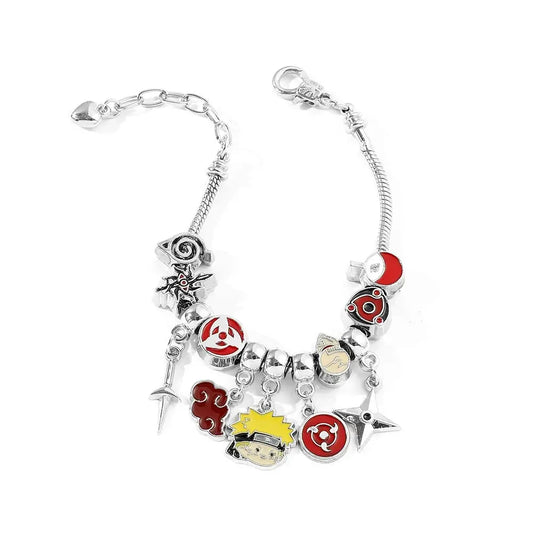
Shinobi Charms Anime Bracelet
Regular price 28$ USDRegular priceUnit price per -
Kakashi Shinobi Anime Shirt
Regular price 28$ USDRegular priceUnit price per -
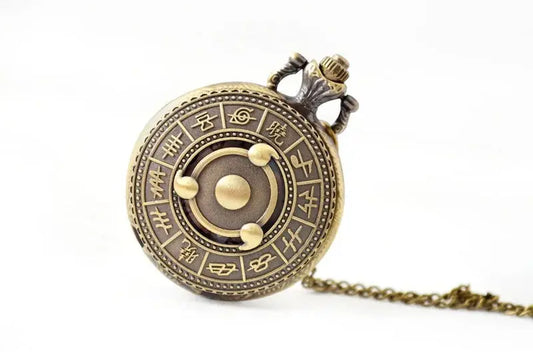
Shinobi Sharingan Anime Pocket Watch
Regular price 26$ USDRegular priceUnit price per -
Shinobi Kunai Keychain
Regular price 15$ USDRegular priceUnit price per -
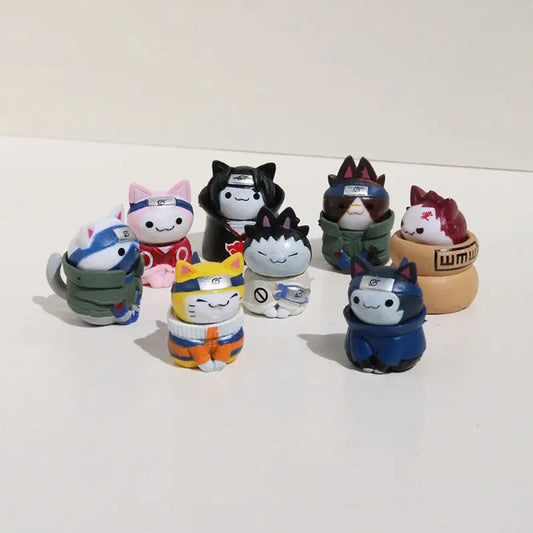
Shinobi Cats Anime Figures Set
Regular price 21$ USDRegular priceUnit price per -
Sakura Shinobi Shirt
Regular price 28$ USDRegular priceUnit price per -
Sharingan Shinobi Fidget Spinner
Regular price 15$ USDRegular priceUnit price per -
Shinobi Seal Anime Boxers
Regular price 21$ USDRegular priceUnit price per -
Hokage Shinobi Anime Sweatpants
Regular price 48$ USDRegular priceUnit price per -
Akatsuki Shinobi Anime Sweatpants
Regular price 48$ USDRegular priceUnit price per -
Uchiha Shinobi Anime Sweatpants
Regular price 48$ USDRegular priceUnit price per -
Konoha Shinobi Ring
Regular price 17$ USDRegular priceUnit price per -
Shinobi Kunai Necklace
Regular price 17$ USDRegular priceUnit price per -
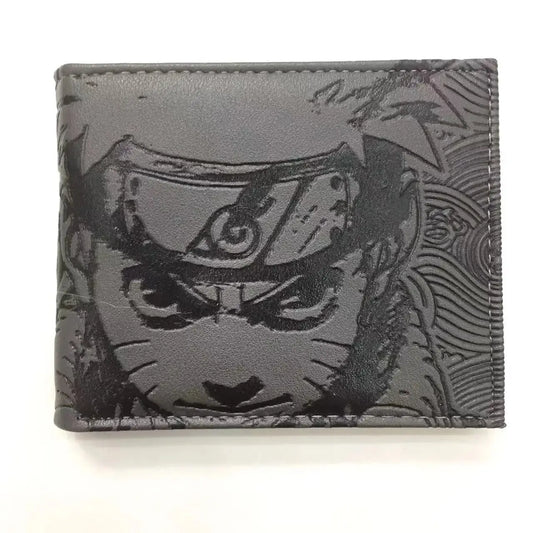
Shinobi Naruto Anime Wallet
Regular price 26$ USDRegular priceUnit price per -
Retro Shinobi Anime Bracelet
Regular price 17$ USDRegular priceUnit price per -
Gaara Shinobi Anime Kimono
Regular price 35$ USDRegular priceUnit price per -
Rock Lee Shinobi Anime Kimono
Regular price 35$ USDRegular priceUnit price per -
Jiraiya Shinobi Anime Kimono
Regular price 35$ USDRegular priceUnit price per -
Shining Shinobi Eyes Keychain
Regular price 17$ USDRegular priceUnit price per -
Shinobi Anime Swimsuit
Regular price 35$ USDRegular priceUnit price per -
Shinobi Anime Sports Shorts
Regular price 26$ USDRegular priceUnit price per -
Shinobi Anime Gym Bodysuit
Regular price 38$ USDRegular priceUnit price per














































Shinobi: The Warriors of the Hidden World – Duty, Discipline, and Destiny
In the expansive universe of Naruto, the term "shinobi" transcends the traditional image of a ninja. Shinobi are not merely stealthy assassins; they are warriors, diplomats, teachers, guardians, and bearers of ancient tradition. The shinobi system defines the social, political, and military fabric of the Naruto world. Rooted in the shadows of the Warring States Period, refined through eras of peace and conflict, the shinobi represent humanity’s potential for both destruction and redemption. This guide explores their origin, roles, ranks, training, philosophies, and narrative significance.
Origins and Historical Evolution
The concept of the shinobi was born out of necessity during the Warring States Period. Before the formation of the Five Great Nations, clans like the Senju and Uchiha acted as mercenary families, offering their services to feudal lords. This period was defined by constant war, assassination, and tactical alliances.
The modern shinobi system began with the founding of Konohagakure by Hashirama Senju and Madara Uchiha. This village system eventually spread, leading to the creation of other major hidden villages (Sunagakure, Kirigakure, Kumogakure, Iwagakure). Each village developed unique jutsu, philosophies, and clan identities.
Shinobi Ranks and Classifications
Shinobi are categorized by experience, skill, and the types of missions they are trusted to perform. Here’s an overview of the traditional hierarchy:
| Rank | Description |
|---|---|
| Academy Student | Pre-genin level, trained in basic jutsu and ninja theory |
| Genin | Entry-level ninja, assigned to teams led by a jonin instructor |
| Chunin | Intermediate rank, often team leaders or mission strategists |
| Jonin | Elite ninja, capable of handling high-risk solo missions |
| Special Jonin | Specialists in specific fields (e.g., interrogation, medical ninjutsu) |
| ANBU | Black Ops agents operating covertly under Kage authority |
| Kage | Village leader, strongest and most strategic ninja in the region |
There are also rogue classifications like Missing-nin (defectors) and legendary ranks like the Sannin (Jiraiya, Tsunade, Orochimaru).
Shinobi Training and Academies
Shinobi undergo rigorous training from a young age. The Ninja Academy curriculum includes:
-
Chakra control and molding
-
Basic ninjutsu and genjutsu
-
Taijutsu (hand-to-hand combat)
-
Ninja tools and weaponry
-
Tactical thinking and stealth
-
Team collaboration and loyalty
Graduation involves both theoretical exams and practical tests, often judged by experienced jonin.
Shinobi Core Duties and Mission Types
The shinobi economy is based on the performance of paid missions for various clients. These missions are classified by difficulty:
| Rank | Mission Type |
| D | Simple errands (weed-pulling, babysitting) |
| C | Escorting individuals or minor security |
| B | Guard duty, combat against minor threats |
| A | Espionage, high-level threats, assassination |
| S | World-altering threats, combat against rogue ninja or Kage |
Shinobi are also involved in diplomacy, intelligence gathering, infrastructure, and even teaching roles.
Philosophies and Shinobi Codes
At the heart of shinobi life are various philosophies passed down through generations. The most iconic include:
-
Will of Fire (Konoha): True strength comes from protecting comrades and future generations.
-
Curse of Hatred (Uchiha): Deep love twisted by grief leads to destruction and obsession.
-
Silent Killing (Kirigakure): A brutal philosophy valuing silence and lethality over honor.
These ideologies shape the moral decisions of shinobi and often serve as thematic devices within the series.
Tools and Techniques of Shinobi
A shinobi’s effectiveness hinges on their jutsu—techniques developed through chakra manipulation. Core types include:
-
Ninjutsu: Elemental and special techniques (e.g., Fireball Jutsu, Shadow Clone)
-
Genjutsu: Illusions to manipulate perception
-
Taijutsu: Physical combat techniques
-
Kenjutsu: Sword fighting styles
-
Senjutsu: Nature energy techniques (Sage Mode)
-
Kekkei Genkai: Bloodline-based abilities (e.g., Sharingan, Byakugan, Wood Release)
Additionally, tools like kunai, shuriken, exploding tags, and summoning scrolls are standard in the shinobi arsenal.
Famous Shinobi and Legends
Throughout history, certain shinobi have shaped the world:
-
Hagoromo Otsutsuki: Sage of Six Paths, origin of chakra and ninjutsu.
-
Hashirama Senju: God of Shinobi, founder of Konoha.
-
Madara Uchiha: Legendary rival, awakened Rinnegan.
-
Minato Namikaze: Fourth Hokage, the Yellow Flash.
-
Naruto Uzumaki: Hero of the Fourth Great Ninja War, Seventh Hokage.
-
Sasuke Uchiha: Rogue avenger turned protector of peace.
Their legacies guide and challenge new generations.
Narrative Role and Symbolism of Shinobi
The concept of the shinobi in Naruto serves as a metaphor for maturity, identity, and sacrifice. Every shinobi faces a path: to protect, to destroy, or to redefine what it means to fight. The series continuously reexamines what a true ninja is—moving from emotionless tools of war to empowered individuals capable of shaping the world.
The shinobi also represent balance. As masters of shadow, their very existence underscores the need to balance light (hope, peace) and dark (war, loss).
Shinobi: The Path of the Shinobi
Being a shinobi is not just about strength or stealth—it is a calling defined by choices, loyalty, and growth. Through generations of battle and bloodshed, shinobi have stood as guardians of their people, sometimes at the cost of their own peace.
As Naruto taught the world, the greatest shinobi is not the one with the most powerful jutsu, but the one who never abandons their comrades and continues moving forward. The shinobi, in all their flawed, complex glory, are the heart of the Hidden World—a legacy written in sacrifice, and passed on through will.
