
-
Konoha Shinobi Anime Wallet
Regular price 28$ USDRegular priceUnit price per -
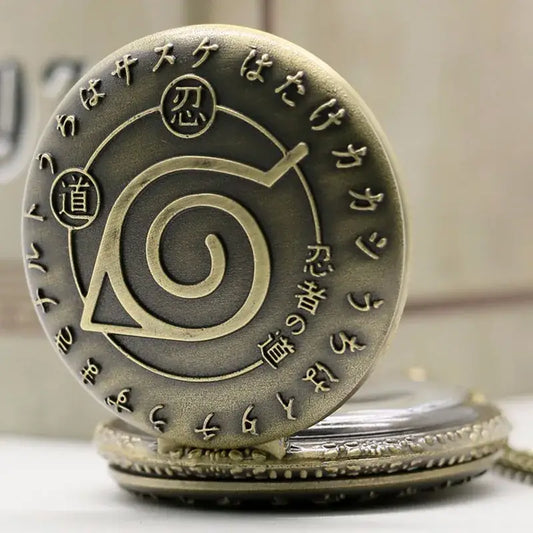
Konoha Clan Anime Pocket Watch
Regular price 26$ USDRegular priceUnit price per -
Konoha Symbol Anime Pin
Regular price 8$ USDRegular priceUnit price per -
Konoha Black Beanie
Regular price 17$ USDRegular priceUnit price per -
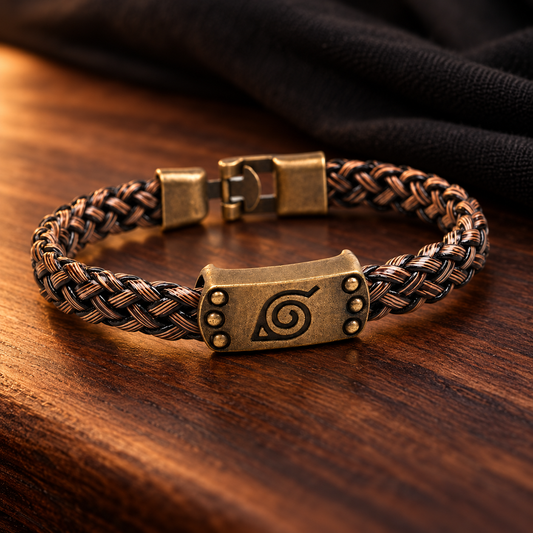
Konoha Clan Bronze Braided Bracelet
Regular price 28$ USDRegular priceUnit price per -
Konoha Clan Anime Boxers
Regular price 21$ USDRegular priceUnit price per -
Konoha Symbol Stud Earrings
Regular price 17$ USDRegular priceUnit price per -
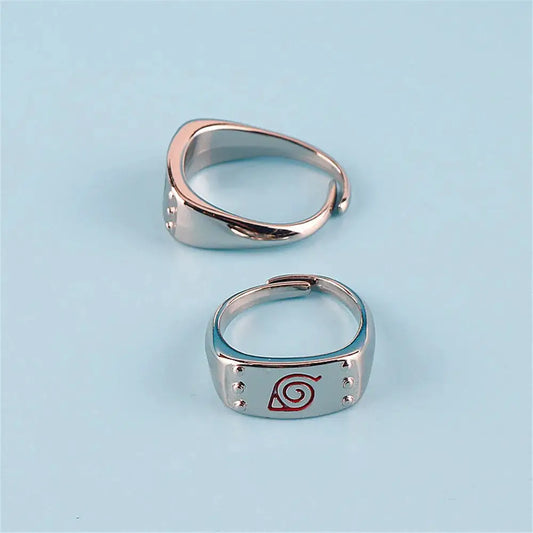
Konoha Shinobi Ring
Regular price 17$ USDRegular priceUnit price per -
Konoha Kanji Necklace
Regular price 21$ USDRegular priceUnit price per -
Konoha Headband Necklace
Regular price 21$ USDRegular priceUnit price per -
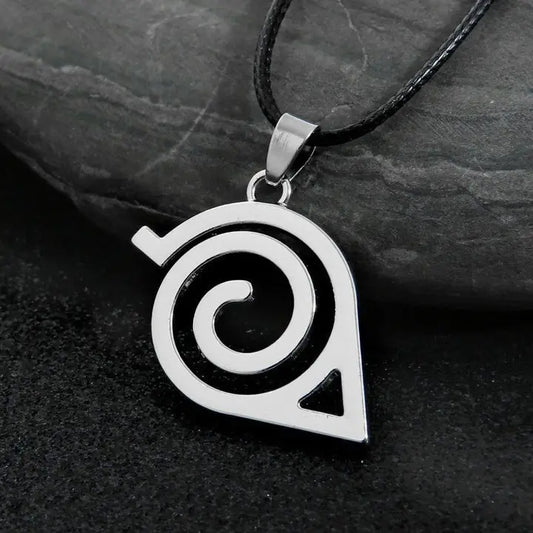
Silver Konoha Symbol Necklace
Regular price 17$ USDRegular priceUnit price per -
Red Konoha Symbol Necklace
Regular price 17$ USDRegular priceUnit price per -
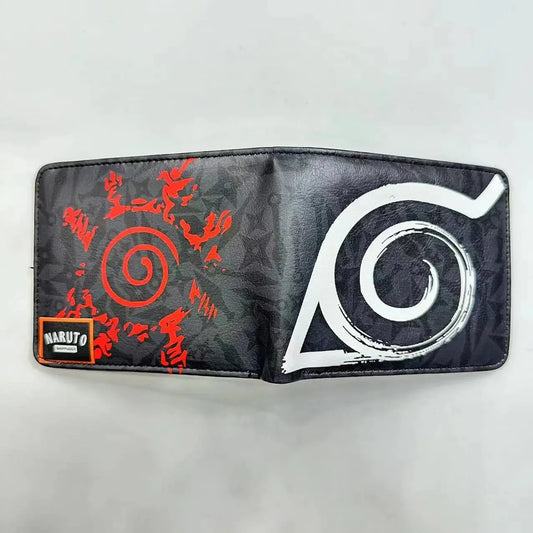
Konoha Uzumaki Anime Wallet
Regular price 26$ USDRegular priceUnit price per -
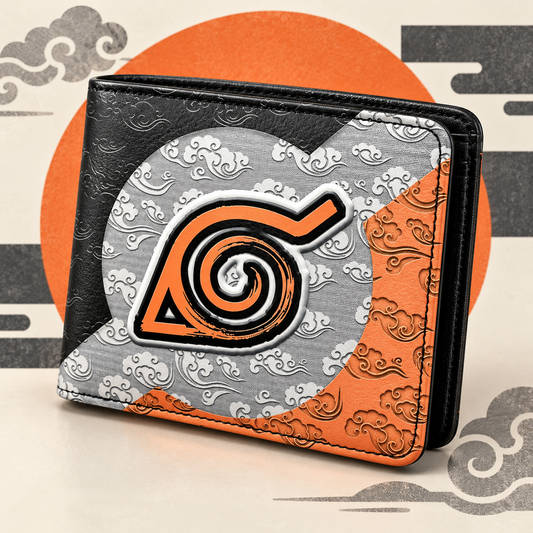
Konoha Clouds Anime Wallet
Regular price 26$ USDRegular priceUnit price per -
Retro Konoha Anime Bracelet
Regular price 17$ USDRegular priceUnit price per -
Rock Lee Konoha Anime Kimono
Regular price 35$ USDRegular priceUnit price per -
Konoha Symbol Oversized Anime Shirt
Regular price 38$ USDRegular priceUnit price per -
Red Konoha Hat
Regular price 17$ USDRegular priceUnit price per -
Red Konoha Compression Shirt
Regular price 35$ USDRegular priceUnit price per -
White Konoha Compression Shirt
Regular price 35$ USDRegular priceUnit price per -
Black Konoha Compression Shirt
Regular price 35$ USDRegular priceUnit price per -
Konoha Kunai Shuriken Keychain
Regular price 15$ USDRegular priceUnit price per -
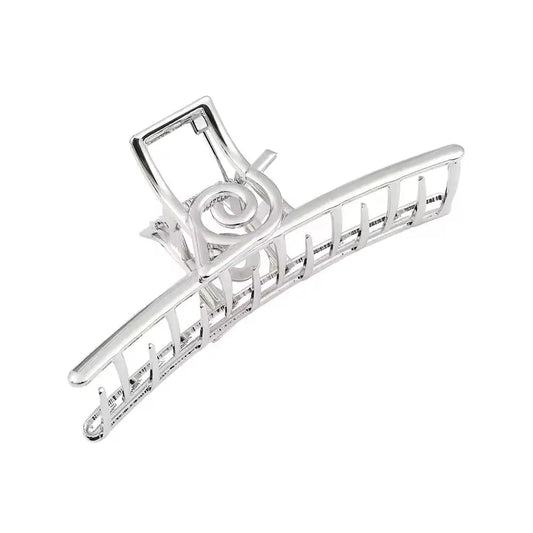
Konoha Anime Hair Clip
Regular price 21$ USDRegular priceUnit price per -
Konoha Orange Anime Socks
Regular price 17$ USDRegular priceUnit price per -
Konoha Clan Anime Socks
Regular price 17$ USDRegular priceUnit price per -
Konoha 3D Anime Lamp
Regular price 26$ USDRegular priceUnit price per -
Konoha Clan Headband
Regular price 17$ USDRegular priceUnit price per -
Black Konoha Hat
Regular price 17$ USDRegular priceUnit price per -
Dark Konoha Titanium Ring
Regular price 22$ USDRegular priceUnit price per -
Konoha Lifting Wrist Wraps
Regular price 35$ USDRegular priceUnit price per -
Konoha Red Beanie
Regular price 17$ USDRegular priceUnit price per -
Black Konoha Bucket Hat
Regular price 21$ USDRegular priceUnit price per -
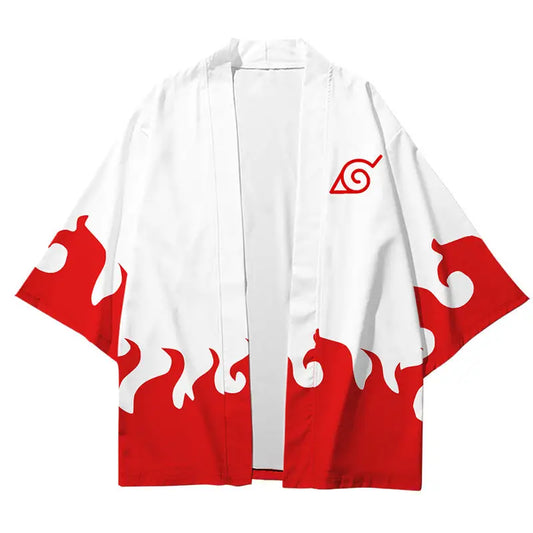
Konoha Red Fire Haori
Regular price 35$ USDRegular priceUnit price per































Konohagakure: The Village Hidden in the Leaves – A Legacy of Fire, Will, and Destiny
Konohagakure, commonly known as Konoha, is the most iconic and historically significant village in the Naruto universe. Founded by legendary shinobi and built on the ideals of peace and strength, Konoha serves as the political, military, and emotional heart of the series. Its evolution—from a battlefield alliance to a beacon of modern shinobi unity—mirrors the growth of its key characters and the broader themes of Naruto: legacy, sacrifice, and the will to protect.
Origins and Founding
Konoha was founded at the end of the Warring States Period by Hashirama Senju and Madara Uchiha, leaders of their respective clans. The Senju and Uchiha were historically bitter enemies, but through mutual respect and a shared vision for a peaceful future, they formed a truce and built a village where children could grow up without the constant fear of war.
Hashirama became the First Hokage, and his dream was to create a sanctuary for future generations—a place where strength was measured not only by combat prowess but by the will to protect others. This vision birthed the "Will of Fire," a philosophy central to Konoha's identity.
Political Structure and Leadership of Konoha
Konoha is governed by the Hokage, a title bestowed upon the village's strongest and most respected shinobi. Below is a breakdown of the Hokage succession:
| Hokage | Notable Contributions/Events |
|---|---|
| Hashirama Senju | Founder, known for his Wood Release and diplomacy skills |
| Tobirama Senju | Institutionalized many village systems, founded the ANBU and Chuunin Exams |
| Hiruzen Sarutobi | Longest-serving Hokage, guided village through multiple wars |
| Minato Namikaze | The Fourth Hokage, hero of the Third Great Ninja War, sealed the Nine-Tails |
| Tsunade Senju | First female Hokage, renowned medical ninja and war hero |
| Kakashi Hatake | Led the village post-war, oversaw its transition into a more peaceful era |
| Naruto Uzumaki | Seventh Hokage, child of prophecy, unified nations and ushered peace |
The Hokage is supported by the Konoha Council, consisting of village elders, clan heads, and advisers. Together, they manage political, military, and diplomatic affairs.
Military Strength and Special Units
Konoha boasts a diverse and powerful shinobi force. The ninja are organized into specialized teams and units based on skills, missions, and ranks:
| Unit | Role and Responsibilities |
| ANBU Black Ops | Covert ops, assassination, and high-risk recon missions |
| Medical Corps | Specialized in healing and battlefield triage |
| Intelligence Division | Handles strategy, information gathering, and code breaking |
| Konoha Police Force | Once run by the Uchiha clan, handled internal village security |
| Team 7, 8, 10, etc. | Field teams composed of genin led by a jonin sensei |
Konoha is also the birthplace of several renowned ninja clans, including:
-
Uchiha Clan: Known for the Sharingan and powerful fire-style jutsu.
-
Hyuga Clan: Wielders of the Byakugan, skilled in gentle fist taijutsu.
-
Nara Clan: Shadow possession experts, strategic geniuses.
-
Akimichi, Yamanaka, Aburame: Each contributing unique techniques and traditions.
Konoha Cultural and Philosophical Identity
The core of Konoha’s identity lies in the “Will of Fire,” a belief that true strength comes from the desire to protect others, especially the next generation. This ideology is passed down from teacher to student, from parent to child.
The Will of Fire contrasts sharply with ideologies like the Uchiha’s "Curse of Hatred," emphasizing love, unity, and resilience over vengeance and isolation. This philosophical divide is central to much of the conflict and reconciliation in Naruto.
Historical Conflicts and Milestones
Konoha has been at the center of nearly every major conflict in the Naruto timeline:
-
First–Third Great Ninja Wars: Where Konoha proved its might and developed key legends like the Sannin.
-
Uchiha Massacre: A tragic chapter of internal politics and secrecy.
-
Attack of the Nine-Tails: Led to Minato’s death and Naruto’s burden as a Jinchuriki.
-
Invasion of Pain: Tested Konoha’s ideals; Naruto emerged as a village hero.
-
Fourth Great Ninja War: Konoha led the Allied Shinobi Forces against Madara and Kaguya.
Each of these moments shaped the village’s values and forced evolution in both its structure and philosophy.
Post-War Modernization of Konoha
Under Naruto’s leadership, Konoha entered a new era of peace and technological advancement. Infrastructure expanded, alliances strengthened, and former enemies like the Sand and Cloud villages became partners.
The village saw the introduction of:
-
Modern architecture and technology
-
Unified academy systems
-
Cross-village collaboration
This era aims to end the cycle of hatred that plagued the ninja world for centuries.
Legacy and Cultural Impact
Konoha is more than a setting—it is a character in its own right. Its rise, fall, and rebirth parallel the growth of Naruto himself. From orphan to Hokage, from isolated village to global capital of peace, Konoha symbolizes what is possible when people believe in one another.
The village’s influence extends beyond fiction, becoming a cultural emblem recognized globally. Cosplayers, fans, and artists often use the leaf symbol as a badge of resilience, unity, and personal growth.
Konoha: The Heart of the Shinobi World
Konohagakure embodies the essence of Naruto: the idea that love, sacrifice, and connection are stronger than any jutsu. Through its trials and triumphs, Konoha remains a bastion of hope—a village hidden not just in the leaves, but in the hearts of fans worldwide.
As the shinobi world continues to evolve in Boruto, Konoha's legacy as the birthplace of legends and ideals endures—ever growing, ever watching, and ever protecting.
