
-
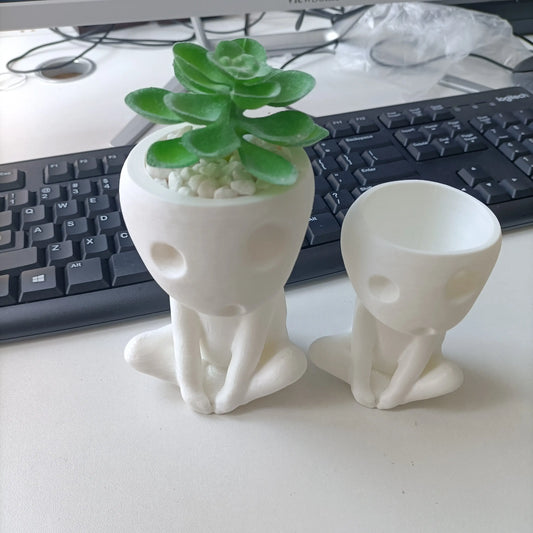
Standing Kodama Plant Pot
Regular price 26$ USDRegular priceUnit price per -
Kodama Plant Pot
Regular price From 28$ USDRegular priceUnit price per -
Kodama Mononoke Anime Pin
Regular price 8$ USDRegular priceUnit price per -
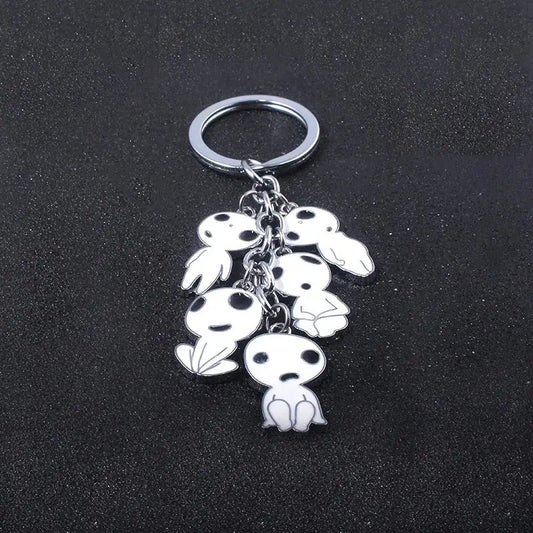
Kodama Forest Spirits Keychain
Regular price 21$ USDRegular priceUnit price per -
Cute Kodama Plant Pot
Regular price 26$ USDRegular priceUnit price per -
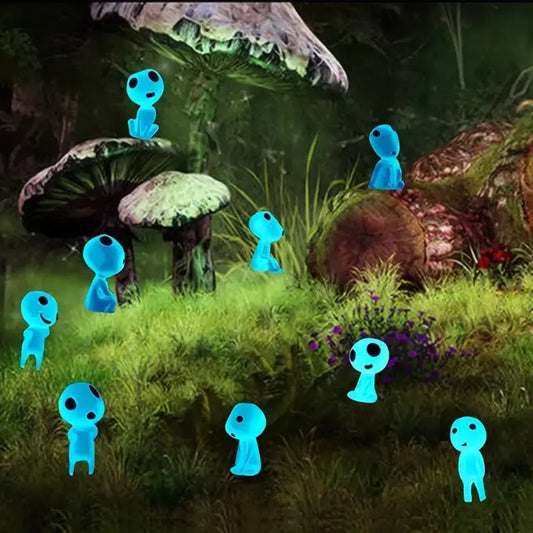
Green Glow Mononoke Kodama Figurines (10pcs)
Regular price 17$ USDRegular priceUnit price per -
Blue Glow Mononoke Kodama Figurines (10pcs)
Regular price 17$ USDRegular priceUnit price per








🌿👻 Kodama: Whispering Spirits of the Forest, Ghibli’s Gentle Souls, and Japan’s Ancient Tree Guardians 👻🌿
They don’t speak. They click. They shimmer and vanish. With their blank eyes, pale bodies, and haunting tilts of the head, Kodama are the mysterious, ethereal tree spirits that represent both nature’s blessing and its quiet warning. From ancient Japanese folklore to the mystical worlds of Studio Ghibli, Kodama are more than just forest ghosts—they're living symbols of harmony, reverence, and the unseen spirits all around us. 🍃🌌
✨ “When the forest breathes, they answer. When the trees fall, they vanish.”
🌿 What Are Kodama?
In traditional Japanese folklore, Kodama (木霊) are spirits that inhabit old trees—particularly those with long lives and deep roots. Often invisible to the human eye, they represent:
-
🧘♀️ The sacredness of nature
-
🌲 The soul of ancient forests
-
⚖️ The balance between humanity and the environment
Some legends say cutting down a tree with a Kodama brings a curse, while others say hearing their voice echo through the woods is a sign of supernatural presence. In all tales, they are deeply connected to Shinto belief, where nature is alive with kami—spiritual forces in every stream, mountain, and root.
🌟 Kodama in Pop Culture: Studio Ghibli's Haunting Little Guardians
While Kodama have existed in mythology for centuries, they gained massive worldwide recognition through Studio Ghibli’s 1997 masterpiece, Princess Mononoke.
There, Kodama are:
-
👻 Small, ghostly figures with round heads and empty eyes
-
🌲 Inhabitants of the sacred forests of the Deer God
-
🔊 Known for their eerie, wooden clacking sounds
-
🌀 Symbolic of the forest's health and spiritual presence
In Princess Mononoke, when the Kodama disappear, it’s a warning: the forest is dying. When they return, nature is healing. They become a visual metaphor for environmental respect and ancient spiritual energy.
👁️🗨️ Visual Symbolism of Kodama
| 🎨 Feature | 🌌 Symbolism |
|---|---|
| 👶 Childlike size | Innocence, mystery, and playfulness |
| 😶 Blank face with holes | Emptiness or the unknowable nature of spirits |
| 🌲 Translucent or pale skin | Ethereal connection to the natural world |
| 🔊 Clicking sound | Communication beyond words—nature speaking |
| 👻 Head tilt or shimmer | Not human, but watching you quietly |
| 🌱 Disappearance/reappearance | Reflection of the forest’s vitality |
🍃 What Kodama Represent Spiritually
🔮 1. Nature’s Guardians
Kodama are often seen as the soul of the forest, living in ancient trees and whispering the stories of centuries. Cutting down a Kodama-inhabited tree is believed to bring:
-
Curses
-
Misfortune
-
Spiritual imbalance
This connects to Shinto philosophy, where all nature is sacred. Trees aren't just plants—they’re residences of the divine.
🌀 2. Messengers of Balance
Kodama don’t interfere—they observe. They appear when harmony is strong and vanish when it's broken. Their presence implies:
-
You’re in a place of power
-
The forest recognizes your spirit
-
Nature is watching, listening, and remembering
😔 3. Echoes of the Unseen
Their soft clicks, translucent bodies, and silent eyes remind us that not everything needs to be explained. Kodama are:
-
Gentle warnings
-
Echoes of old magic
-
Symbols of silence with meaning
In a noisy world, Kodama are the hush of the woods after a storm. 🌧️
🌲 Kodama vs. Other Japanese Spirits
| 👻 Spirit | 🌌 Domain | 🔥 Vibe |
|---|---|---|
| Kodama (木霊) | Ancient trees and forests | Quiet, sacred, mysterious |
| Yokai (妖怪) | Mischievous or chaotic entities | Playful, tricky, sometimes dangerous |
| Zashiki-warashi | Spirits of homes, bring luck | Friendly, childlike |
| Tengu (天狗) | Mountains, martial arts | Fierce, powerful, trickster energy |
| Yurei (幽霊) | Ghosts of the dead | Sad, vengeful, or unfinished business |
Kodama stand out as peaceful, elemental spirits. They're not here to scare you—they're here to watch, whisper, and warn.
🗣️ When You See a Kodama, You’re Meant to Feel…
🌿 “Stillness. Something sacred lives here.”
🌌 “This tree is more than bark—it has memory.”
👁️ “I’m being watched, but not judged.”
🍃 “Everything is alive. Everything matters.”
🔊 Click. Click. The forest breathes.”
🎤 Hear the Forest Speak
Kodama aren’t loud. They’re not flashy. They don’t fight or speak.
But they are among the most powerful spirits in Japanese lore, because they remind us—quietly and patiently—that nature is alive, sacred, and watching.
🌿 Would you be brave enough to walk through a forest full of Kodama?
👻 If one appeared on your windowsill, would you say something—or listen?
🌕 And if your favorite tree had a spirit within… what would it remember about you?
Walk softly. Look upward. Breathe deep.
🌲👻 Because when the Kodama stir… the forest is listening. 🍃🔊✨
