
-
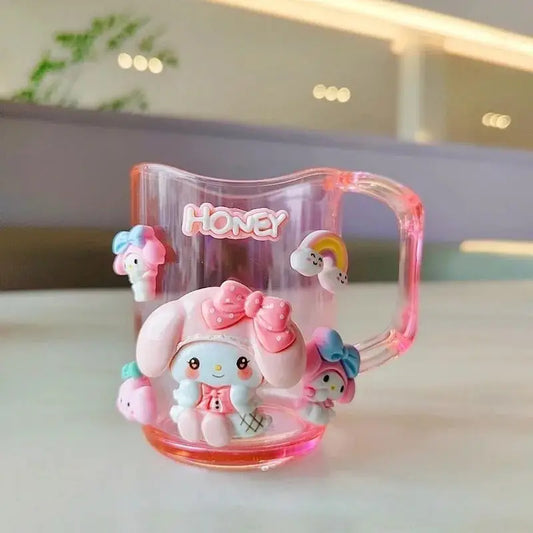
My Melody Toothbrush & Cup Set
Regular price 28$ USDRegular priceUnit price per -
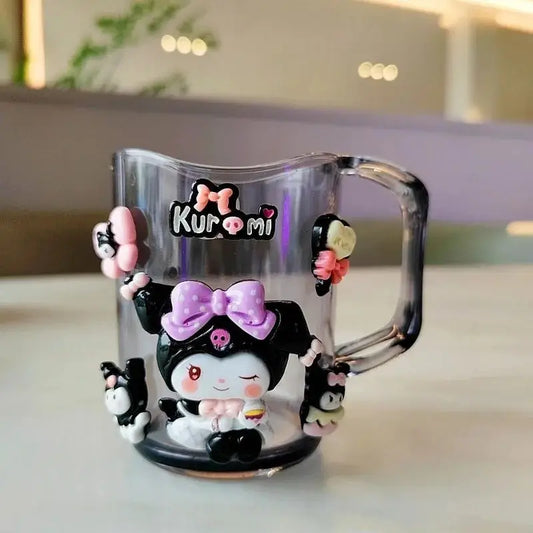
Kuromi Toothbrush & Cup Set
Regular price 28$ USDRegular priceUnit price per -
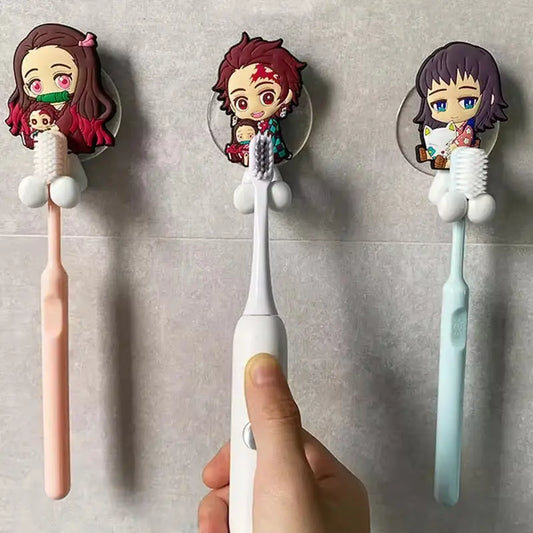
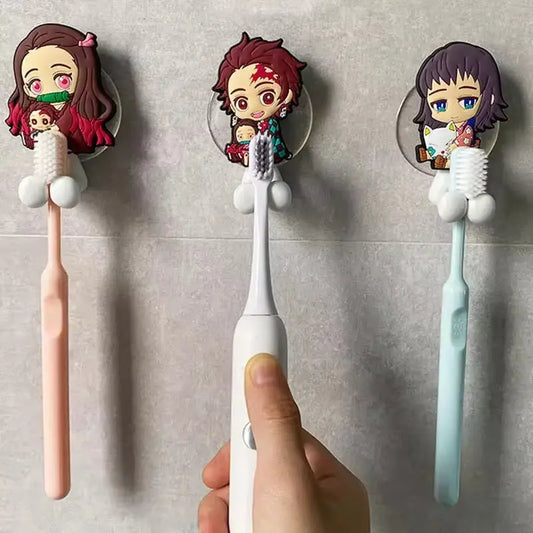
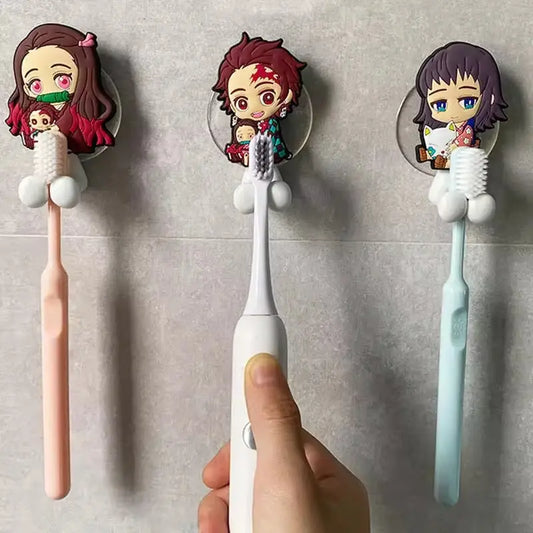
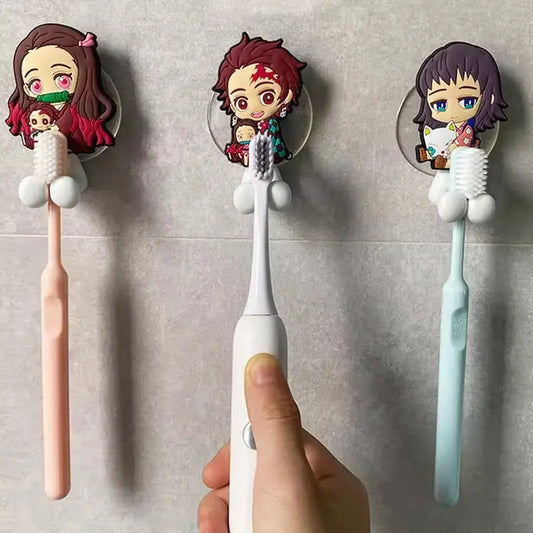
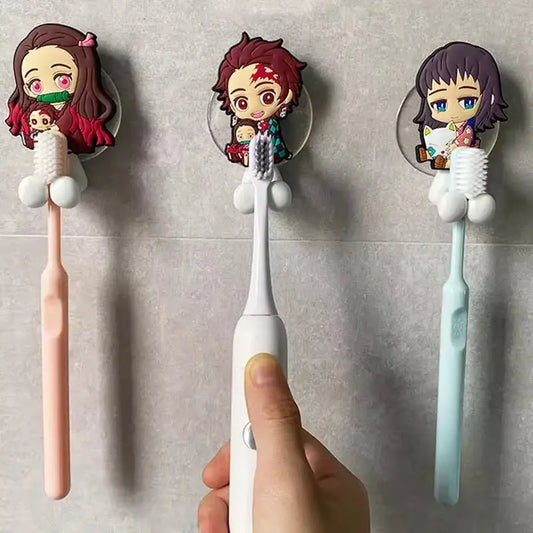
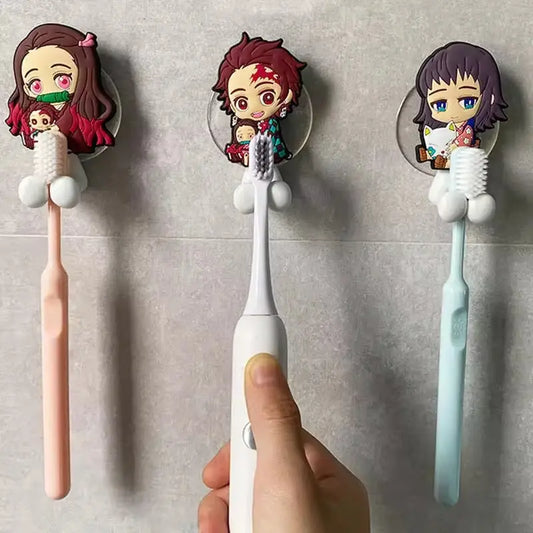
Kawaii Inosuke Anime Toothbrush Holder
Regular price 17$ USDRegular priceUnit price per -
Kawaii Giyu Anime Toothbrush Holder
Regular price 17$ USDRegular priceUnit price per -
Kawaii Shinobu Anime Toothbrush Holder
Regular price 17$ USDRegular priceUnit price per -
Kawaii Kanao Anime Toothbrush Holder
Regular price 17$ USDRegular priceUnit price per -
Kawaii Tanjiro Anime Toothbrush Holder
Regular price 17$ USDRegular priceUnit price per -
Kawaii Nezuko Anime Toothbrush Holder
Regular price 17$ USDRegular priceUnit price per








The Art and Science of the Japanese Toothbrush
For many, a toothbrush is a simple tool meant for oral hygiene. But for the Japanese, as with many other aspects of their culture, it represents a fusion of form, function, and philosophical approach. The Japanese toothbrush illustrates a commitment to precision, design, and a holistic view of health.Traditional Japanese culture places emphasis on every detail of daily life, believing that even the most mundane tasks can have spiritual significance. This approach extends to personal care, where tools like the toothbrush aren't merely seen as utilitarian but are designed with an intent to improve the overall experience.
Japanese toothbrushes often feature very slim and compact designs, making them easy to travel with and store. Unlike many Western toothbrushes, the bristles on Japanese models can be extra fine and densely packed. This design is rooted in the Japanese preference for precision: the fine bristles are meant to gently clean between teeth and along the gum line without causing harm to the sensitive gums.
Moreover, Japanese manufacturers have innovated by producing bristles infused with charcoal or other materials believed to have health benefits. Charcoal, for instance, is recognized for its natural antibacterial properties, helping to keep the brush clean and free from harmful microorganisms.
In line with the Japanese holistic approach to well-being, the act of brushing one's teeth is seen not just as a means to prevent dental issues but as a ritual that affects one's overall health. This belief is grounded in the interconnectedness of body parts in traditional Eastern medicine. Thus, taking care of one's mouth is also taking care of one's body.
Beyond the technical and health-oriented aspects, the design of Japanese toothbrushes often mirrors the country's minimalist aesthetic. Subdued colors, clear lines, and elegant forms make these toothbrushes not just tools, but pieces of art in their own right.
