
-
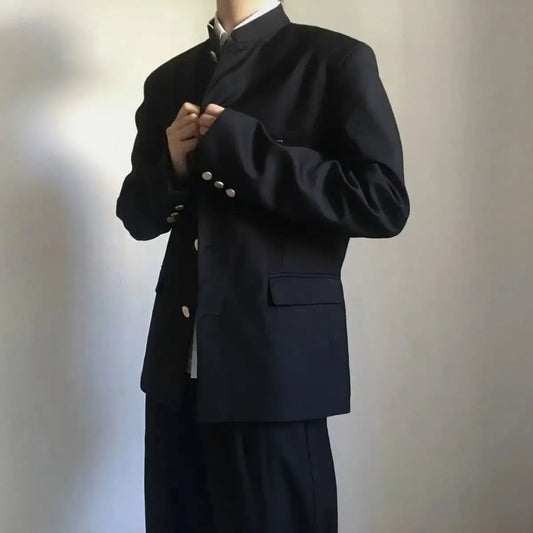
Gakuran Uniform
Regular price 84$ USDRegular priceUnit price per -
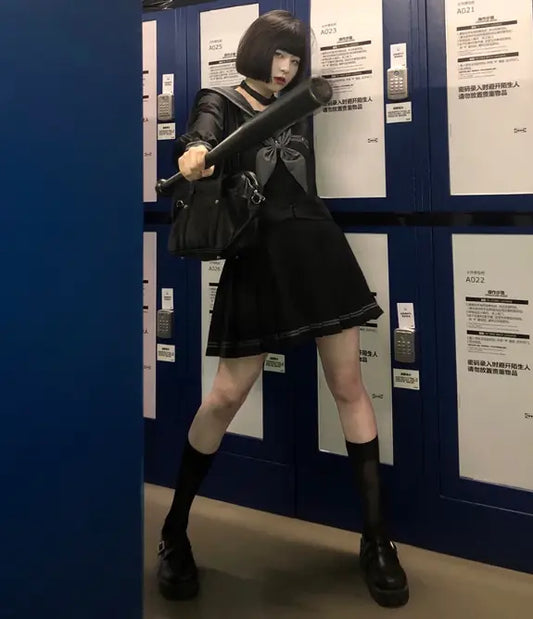
Yamiyo JK School Uniform
Regular price 62$ USDRegular priceUnit price per -
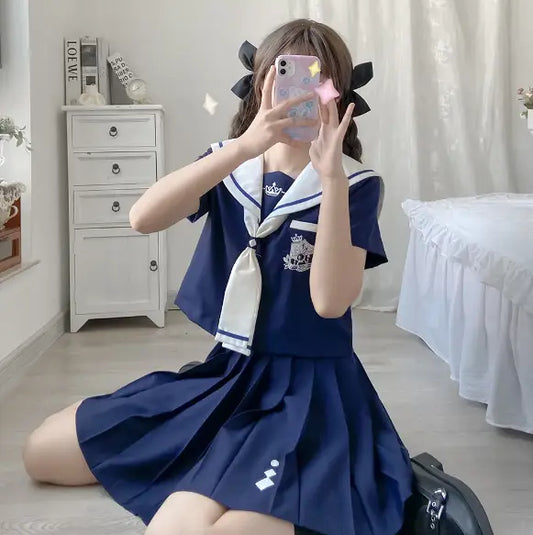
Umi JK School Uniform
Regular price 44$ USDRegular priceUnit price per -
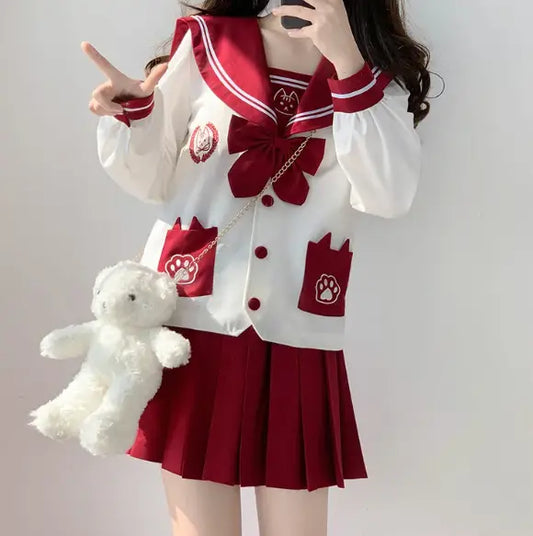
Akaineko JK School Uniform
Regular price 44$ USDRegular priceUnit price per -
Shiro JK School Uniform
Regular price 44$ USDRegular priceUnit price per -
Women Gym School Uniform
Regular price 32$ USDRegular priceUnit price per -
Ayame School Girl Costume
Regular price 35$ USDRegular priceUnit price per -
Soki School Girl Costume
Regular price 35$ USDRegular priceUnit price per -
Honoka School Girl Costume
Regular price 35$ USDRegular priceUnit price per -
Yuki School Girl Costume
Regular price 33$ USDRegular priceUnit price per -
Aiko School Girl Costume
Regular price 33$ USDRegular priceUnit price per -
Hiromi School Girl Costume
Regular price 33$ USDRegular priceUnit price per -
Classic School Girl Costume
Regular price 33$ USDRegular priceUnit price per





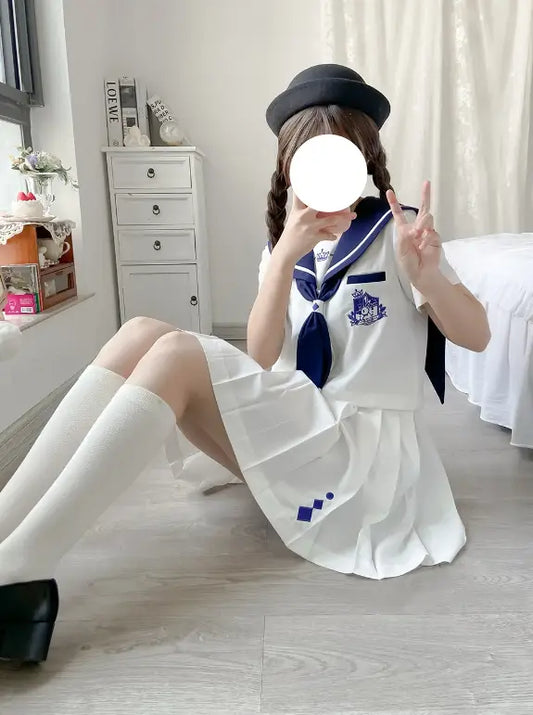

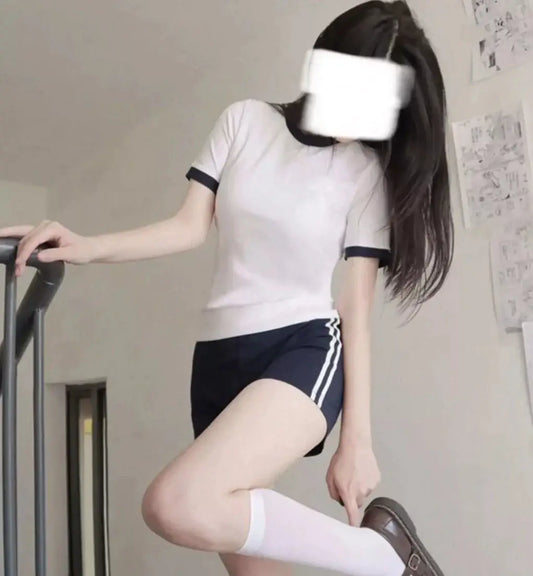

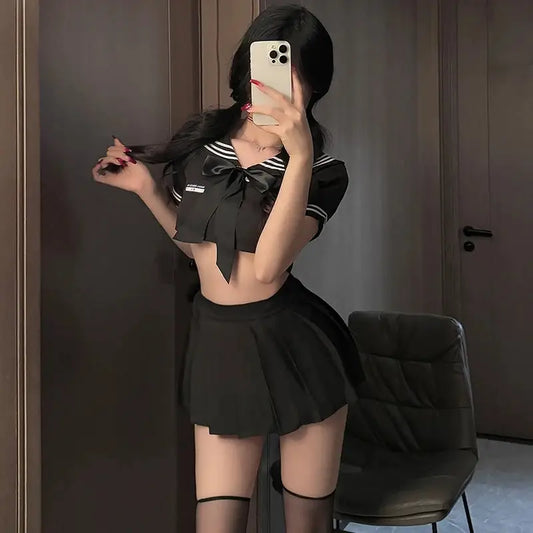


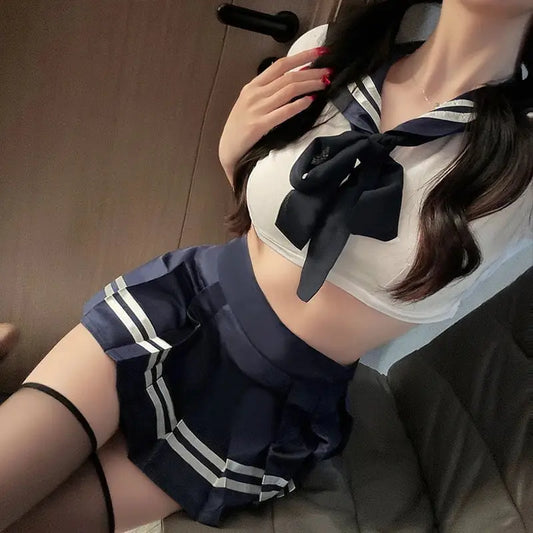

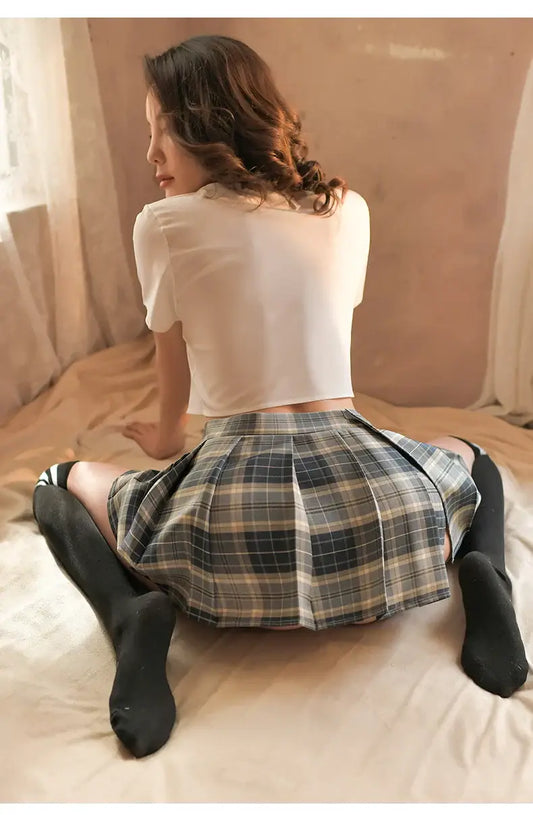

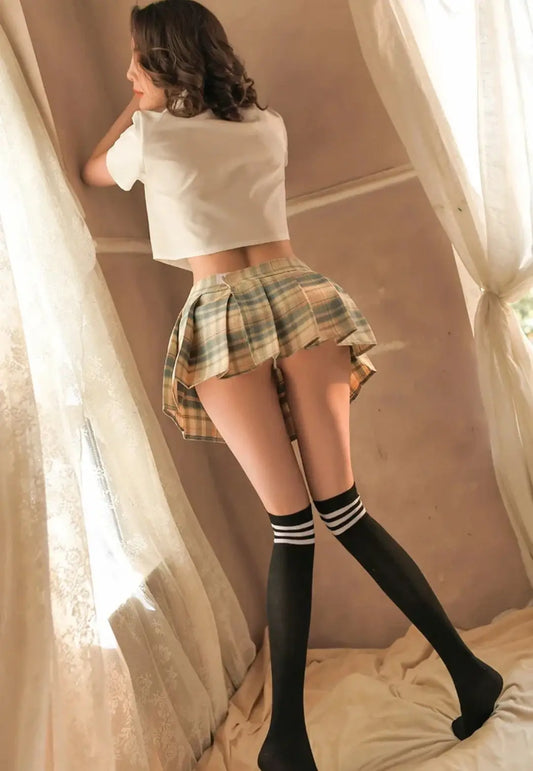

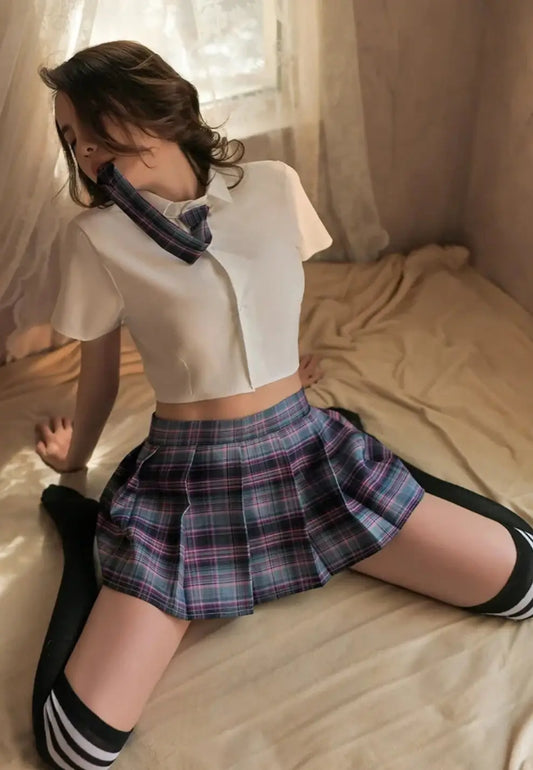

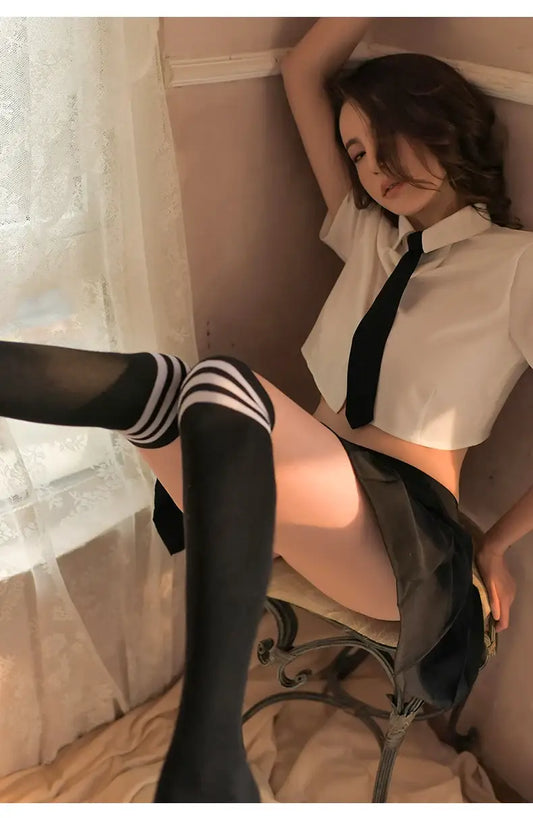
A Glimpse into Discipline and Style: Japanese School Uniforms
Japanese school uniforms, known as seifuku (制服), are more than just standardized clothing for students—they are powerful cultural symbols, fashion statements, and social equalizers. Whether it’s the iconic sailor-style uniform worn by middle school girls or the structured gakuran jackets donned by high school boys, Japanese school uniforms communicate far more than school affiliation. They represent shared experiences, ideals of discipline and harmony, and even quiet rebellion.
The uniform is part of a broader Japanese ethos that emphasizes respect, group identity, and diligence. Its use encourages conformity, unity, and attention to grooming. Yet, at the same time, the uniform invites personalization and subtle self-expression. Within the structured lines and color schemes, each student finds small ways to differentiate themselves.
Seen in anime, manga, music videos, and global fashion shows, the Japanese school uniform has transcended its domestic roots. From cosplay events in Paris to K-pop stage costumes, it has become a global icon—timeless, elegant, and always evolving.
History and Cultural Significance
The origins of Japanese school uniforms trace back to the Meiji Restoration, when Japan sought to modernize by integrating Western customs. Before this shift, students wore traditional kimono. As Japan embraced a more Westernized educational model, it introduced uniforms modeled after European naval and military outfits.
Key Historical Milestones:
-
Late 1800s: Adoption of the gakuran for boys and early sailor-style uniforms for girls.
-
1920s: Fukuoka Jo Gakuin, a girls’ school, introduced the iconic sailor fuku.
-
1950s–70s: Uniforms become widespread across all school levels.
-
1990s–Present: Blazer-style uniforms rise in popularity for their modern appeal.
Uniforms became deeply tied to moral education and post-war reconstruction. They were intended to instill national values, presentability, and humility. Uniform culture also overlaps with key social rituals—such as graduation, first love, or seasonal school festivals—becoming woven into the emotional fabric of Japanese youth.
Many former students keep their uniforms as cherished keepsakes, long after graduation.
Types of Japanese School Uniforms
Japan’s school uniforms vary by region, school level, and institutional philosophy. Each type offers a distinct visual language rooted in tradition but influenced by modern aesthetics.
| Uniform Style | Description |
|---|---|
| Sailor Fuku | Classic style with sailor collar, pleated skirt, and ribbon tie |
| Gakuran | Buttoned-up, military-style jacket with stand collar and matching pants |
| Blazer Set | Worn with plaid skirts or slacks, featuring ties, ribbons, and emblems |
| Summer Uniform | Lightweight fabric, short sleeves, pastel tones |
| Winter Uniform | Thicker wool fabric, sweaters, scarves, overcoats |
| Sportswear | Standardized P.E. uniforms for comfort and movement |
| Ceremonial Wear | Custom versions for graduation and entrance ceremonies |
Seasonal Swaps:
Most schools provide at least two uniforms per year—summer and winter—often marked by a special changing ceremony. The shift from one uniform to another is a symbolic rite of passage.
Accessories often include:
-
Matching schoolbags and shoes
-
Knee-high socks or stockings
-
Vests and cardigans
-
Scarves and gloves in winter
Styling, Expression & Subculture
While school uniforms represent conformity, students often use fashion hacks to add personal flair. This quiet rebellion shows in sleeve length, skirt roll, sock height, or even the charm dangling from a school bag zipper.
Subculture Variations:
-
Kogal (Kogyaru): Trendy subculture where girls shorten skirts, wear platform shoes, use heavy makeup, and dye their hair light brown.
-
Gyaru-o: The male version—flashy sneakers, modified uniforms, spiked hair.
-
Sukeban: Tough girl delinquent style with long skirts, custom embroidery, or school crests crossed out.
-
Visual Kei Uniforms: Inspired by rock bands and stylized school aesthetics, often worn outside actual schools.
-
Otome-Kei & Lolita Influences: Blend feminine lace, parasols, and bows with classic uniform silhouettes.
Even minor details—like the fold of a bow, or stickers on a pencil case—tell a story. School uniforms become canvases for coded language, secret crushes, in-group signals, and reflections of mood and personality.
Pop Culture Legacy
Japanese school uniforms are deeply embedded in pop culture. Anime, manga, and idol groups frequently depict youth in uniform, making it one of the most instantly recognizable motifs in global media. These representations add emotional weight to the garments—they become symbols of love, loss, rivalry, and ambition.
Iconic Appearances:
-
Sailor Moon: The sailor fuku becomes magical armor, blending school life with fantasy.
-
Fruits Basket: Soft blazers and warm hues echo themes of growth and emotional healing.
-
My Hero Academia: Hero-students wear upgraded blazer uniforms with house emblems.
-
Persona Games: School uniforms used as narrative metaphors for masks and transformation.
-
AKB48: The idol group popularized uniform cosplay in mainstream music and fashion.
Uniforms have been embraced by:
-
Cosplayers: Recreating anime school looks at global conventions.
-
High fashion: Designers like Comme des Garçons and Thom Browne have reinterpreted school uniform aesthetics.
-
Musicians: J-Pop and K-Pop artists frequently wear uniform-themed outfits.
They symbolize the universal teenage search for identity, structure, and freedom.
Japanese School Uniforms: Why They Matter
Japanese school uniforms are more than fabric and stitching—they are mirrors of societal values, student aspirations, and generational shifts. They carry the paradox of tradition and evolution: they push conformity while inviting creativity. They look backward with honor and forward with possibility.
The Meaning Behind the Material:
-
Respect & Structure: Reinforcing shared values and discipline.
-
Elegance & Design: Combining minimalism with expressive detail.
-
Belonging & Identity: Creating collective memories within individuality.
-
Fashion & Fantasy: Inspiring media, streetwear, and youth culture.
A school uniform might last three or six years—but the emotions attached to it last a lifetime. Whether in a nostalgic anime flashback, a cosplay photo shoot, or an old class photo, the seifuku is a visual and emotional anchor.
To wear a Japanese school uniform is to become part of a story. A story about growing up, striving together, and finding your place within a world of shared rhythms and quiet rebellion. It’s more than what you wear. It’s how you remember who you were becoming
