
-
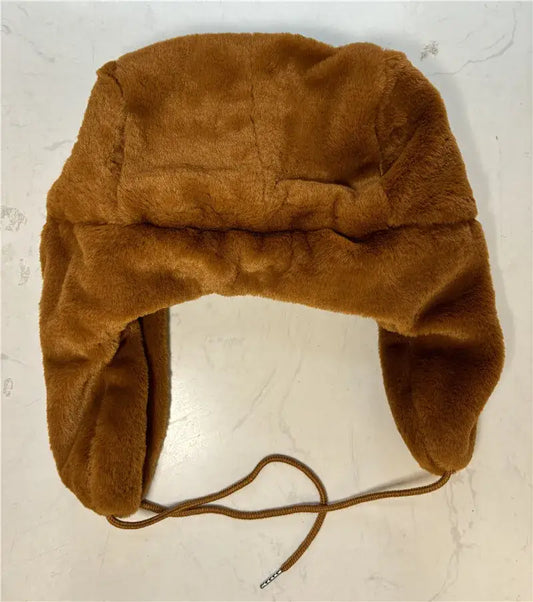
Domo Kun Trapper Hat
Regular price 35$ USDRegular priceUnit price per -
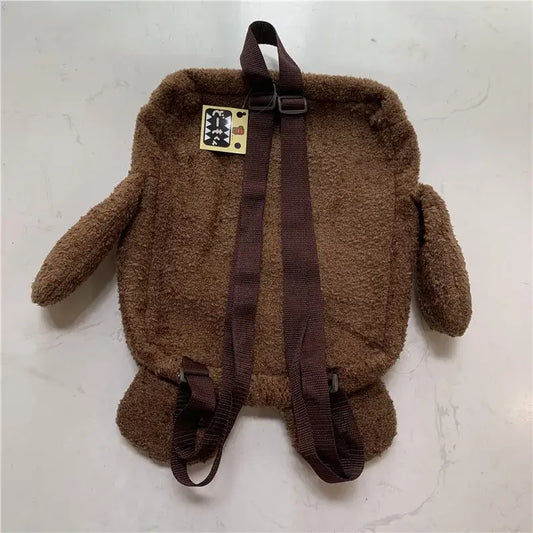
Domo Kun Plush Backpack
Regular price 65$ USDRegular priceUnit price per -
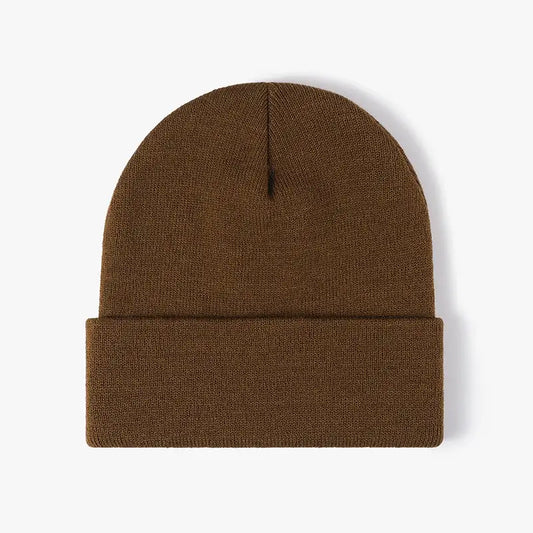
Domo Kun Beanie Hat
Regular price 17$ USDRegular priceUnit price per -
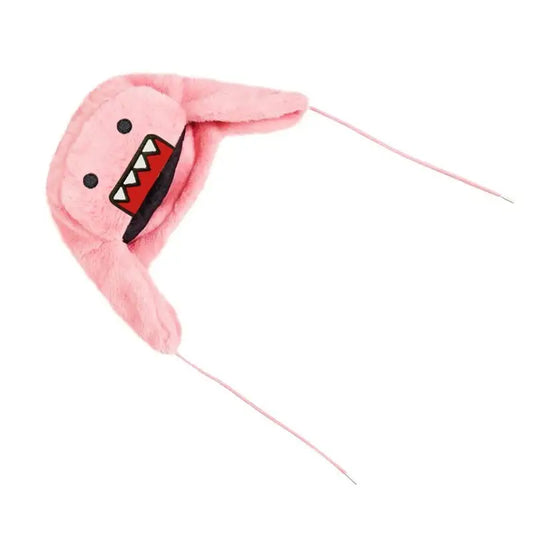
Pink Domo Kun Trapper Hat
Regular price 35$ USDRegular priceUnit price per -
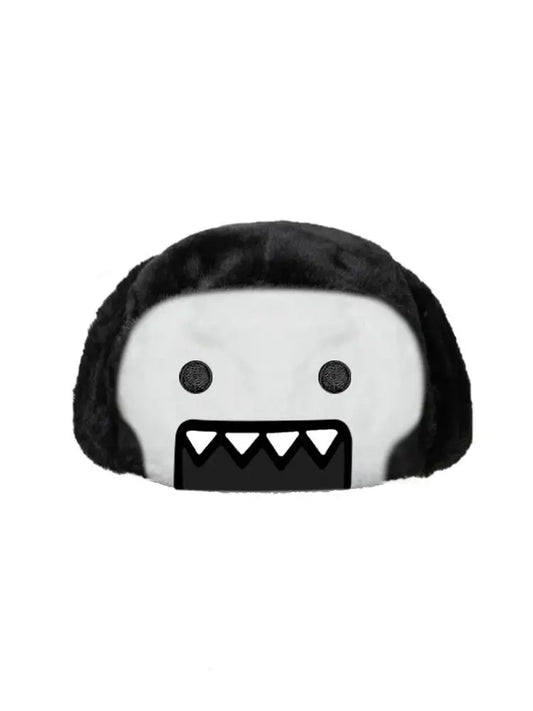
Halloween Domo Kun Trapper Hat
Regular price 35$ USDRegular priceUnit price per -
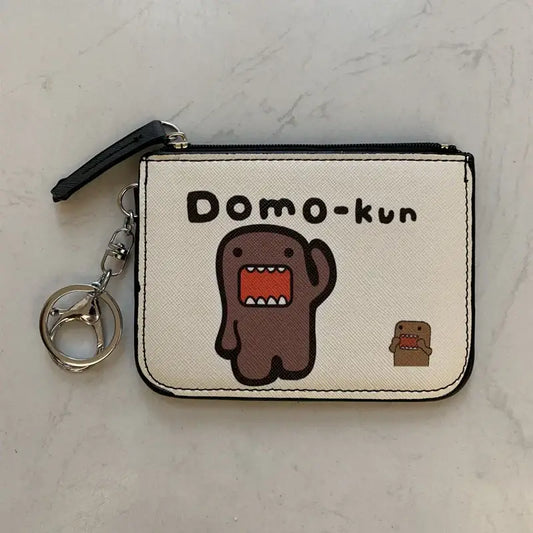
Domo Kun Kawaii Wallet
Regular price 17$ USDRegular priceUnit price per -
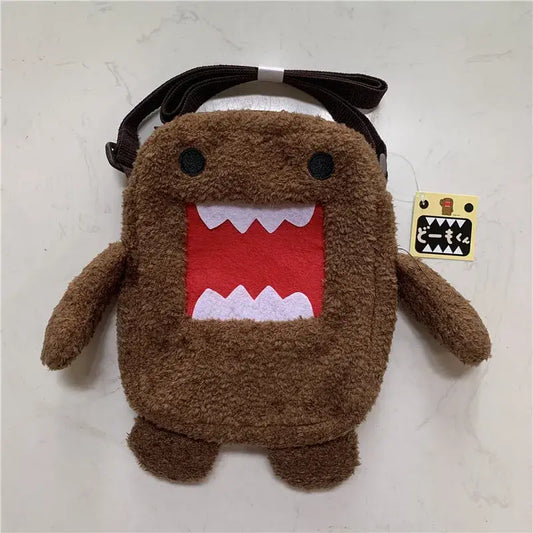
Domo Kun Plush Bag
Regular price 33$ USDRegular priceUnit price per -

 Sold out
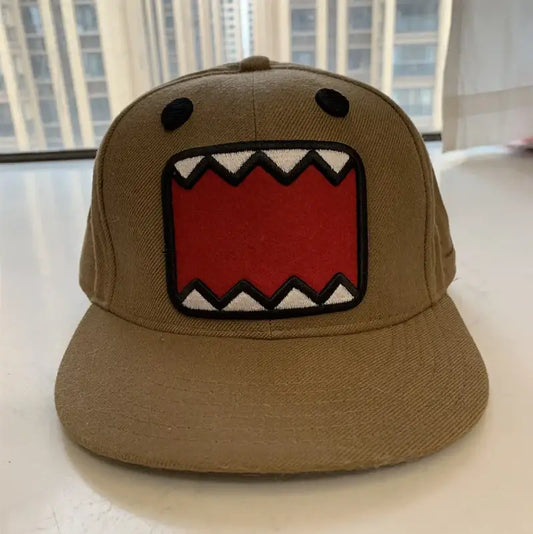
Domo Kun Snapback Hat
Regular price 38$ USDRegular priceUnit price per -
Domo Kun Plush Toy
Regular price 28$ USDRegular priceUnit price per -

 Sold out
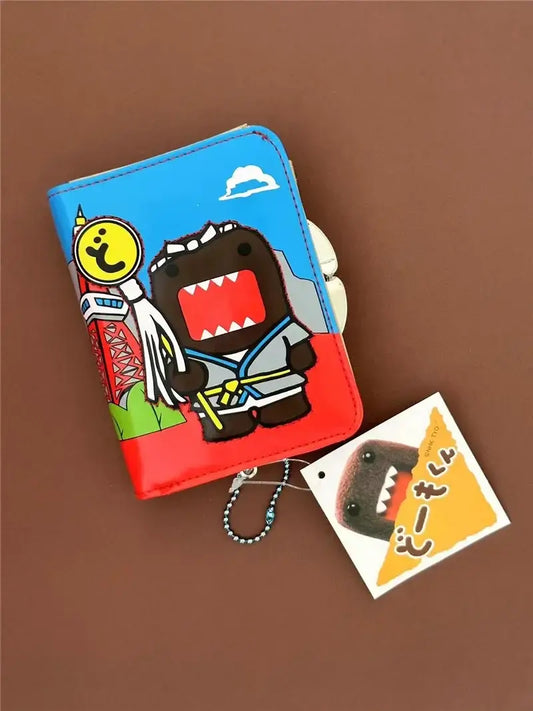
Domo Kun Retro Wallet
Regular price 26$ USDRegular priceUnit price per -

 Sold out
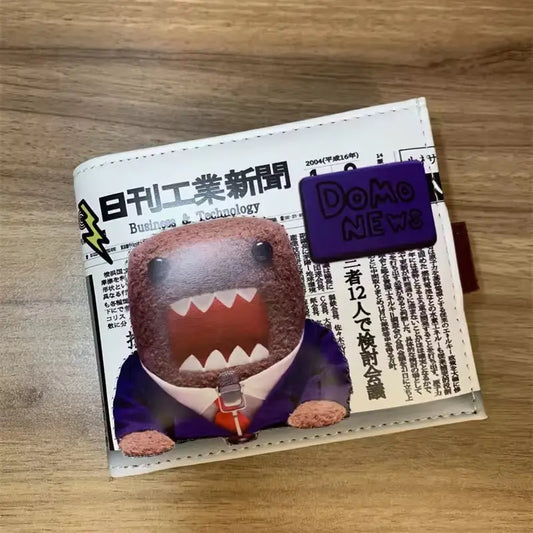
Domo Kun News Wallet
Regular price 38$ USDRegular priceUnit price per -
Domo Kun Anime Socks
Regular price 17$ USDRegular priceUnit price per -

 Sold out
Domo Kun Panda Plush
Regular price 48$ USDRegular priceUnit price per -
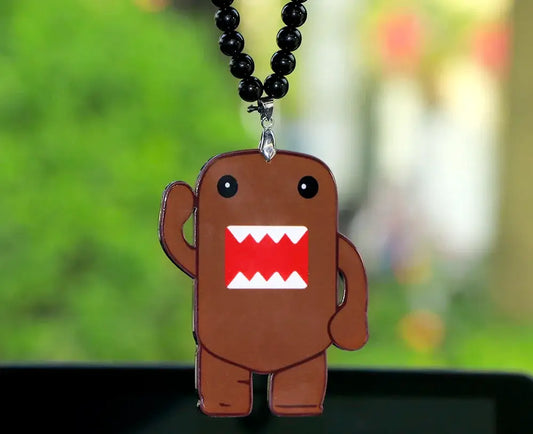
Domo Kun Car Pendant
Regular price 17$ USDRegular priceUnit price per -
Kawaii Panda Hat Domo Kun Fuzzy Plush
Regular price 48$ USDRegular priceUnit price per -
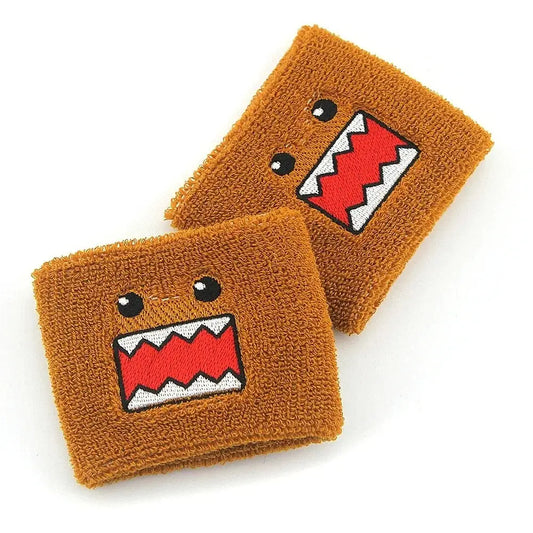
Domo Kun JDM Brake Reservoir Sock
Regular price 17$ USDRegular priceUnit price per -
Domo Kun Drawstring Bag
Regular price 17$ USDRegular priceUnit price per













Meet the Icon: Welcome to the World of Domo-kun
Say hello to Domo-kun, Japan's most unexpectedly lovable monster. Born from the creative studios of NHK (Japan's national broadcaster), Domo is an open-mouthed, fuzzy brown creature with saw-toothed charm and an unmistakable silhouette. He first emerged in 1998 as a mascot for NHK's digital broadcasts and has since captured hearts worldwide, turning into a cultural icon of internet memes, plush toys, vinyl figures, and global merchandise.
Whether you know him from his quirky short animations, the viral internet humor of the early 2000s, or a plushie perched on a shelf, Domo is the rare mascot who transcends generations and platforms. Both nostalgic and ever-present, Domo embodies a fusion of modern pop culture, Japanese design sensibility, and universal cuteness with a twist.
The Origin Story of Domo: From Broadcast Mascot to Global Icon
Domo-kun first appeared in a series of stop-motion animated sketches on NHK BS2 in 1998. Created by Tsuneo Gōda, these charming segments were crafted by the animation house dwarf studios and follow the misadventures of Domo, who lives in a cozy cave with Mr. Usaji, a wise old rabbit. The name "Domo" comes from the Japanese phrase "Domo, konnichiwa," meaning "Well, hello there."
Despite never speaking actual dialogue, Domo's expressive reactions and awkward charm made him instantly endearing. Over time, his unique look and deadpan aesthetic found their way into Japanese pop culture and later exploded internationally through the internet.
As the internet meme culture of the early 2000s flourished, so did Domo. From MySpace to forums, Domo became a symbol of weird, wild humor. He was memed, Photoshopped, parodied, and adored. And unlike many mascots, Domo didn't fade with time. He evolved.
Today, Domo is not just a nostalgic nod; he's a living example of cultural persistence and reinvention.
Why Domo-kun is Unforgettable: The Power of Design and Expression
What makes Domo so distinct? It's not just his saw-toothed grin or fuzzy texture. It’s the harmony of elements that come together to form a character that is simultaneously odd, cute, and instantly recognizable.
1. Minimalist Design with Maximum Emotion: Domo is a masterclass in minimalist character design. His rectangular body, wide-open mouth, and dot eyes say so much without saying anything. His entire being is designed for expression — surprise, joy, confusion, mischief — all captured through posture and reaction.
2. Aesthetic Flexibility: From stop-motion clay to 2D prints, plushies to digital avatars, Domo translates beautifully across media and merchandise. His design lends itself to everything from fashion to home decor.
3. Internet Native Energy: Few characters ride the wave of internet culture like Domo. His oddness, paired with visual simplicity, made him a blank slate for meme creation. This cultural elasticity is part of what made him go viral and stay relevant.
4. The Balance of Cute and Creepy: Unlike typical kawaii characters, Domo has a strange edge. That saw-toothed mouth? A little monstrous. That unblinking stare? Slightly unsettling. But that’s what makes him lovable — he’s weird in the best way.
How Domo Lives On: Merch, Media, and Meme Legacy
Even decades after his debut, Domo is everywhere — not just in Japan, but globally. His staying power is the result of strategic media placement, brand collaborations, and deep resonance with multiple audiences.
1. Merchandise Explosion: From plush dolls to apparel, backpacks to collectible figures, Domo merchandise spans a huge variety of styles. He’s been featured in collaborations with Hot Topic, Urban Outfitters, 7-Eleven, and Target. His plushies remain among the most popular Japanese character exports.
2. Media Appearances: Domo's original stop-motion series has grown into manga appearances, English-translated shorts, and cameos in games and commercials. His voice-free humor makes him universal — no translation needed.
3. Internet Icon: Memes featuring Domo reached peak popularity in the early 2000s, particularly one infamous image showing him chasing kittens, captioned with irreverent humor. While the meme phase has slowed, it played a crucial role in spreading his image to Western audiences.
4. Brand Collaborations: Domo has collaborated with Sanrio (the creators of Hello Kitty), as well as fashion and pop culture brands, creating limited-edition drops that mix nostalgia with trend.
Domo's Appeal: Who Loves Domo and Why?
Domo's charm is universal. But his audience is as diverse as his evolution:
| Audience Type | Why They Love Domo |
|---|---|
| Kids | Soft, friendly design, simple expression |
| Teens & Young Adults | Nostalgic internet icon, quirky aesthetic |
| Collectors | Limited edition merch, vinyl and plush figures |
| Pop Culture Fans | Unique among mascots, edgy yet cute appeal |
| Artists & Designers | Minimalist design inspiration, media versatility |
Domo occupies a unique emotional space: part childhood mascot, part internet relic, part design icon. Whether you're hugging a plushie or rocking a Domo tee, there's a certain joy in carrying that chaotic-cute energy into your daily life.
The Timeless Weirdness of Domo
Domo-kun is more than a meme, more than a mascot, more than a fuzzy face. He's a symbol of how strange, quiet characters can speak volumes. From his humble beginnings in Japanese television to his explosion across Western internet culture, Domo's story is a lesson in how unique creativity, minimalism, and a little weirdness can go a long way.
His silence speaks to something primal: curiosity, clumsiness, a desire to belong. And that’s something we can all relate to. Whether you met him through a YouTube clip, a Tumblr reblog, or a plush on a friend’s bed, Domo sticks with you. Not because he demands attention — but because his oddball charm is unforgettable.
So whether you're discovering him for the first time or rediscovering a childhood favorite, one thing's for sure: Domo-kun isn't just a character. He's a vibe.
Long live the king of cute-chaos.
