
-
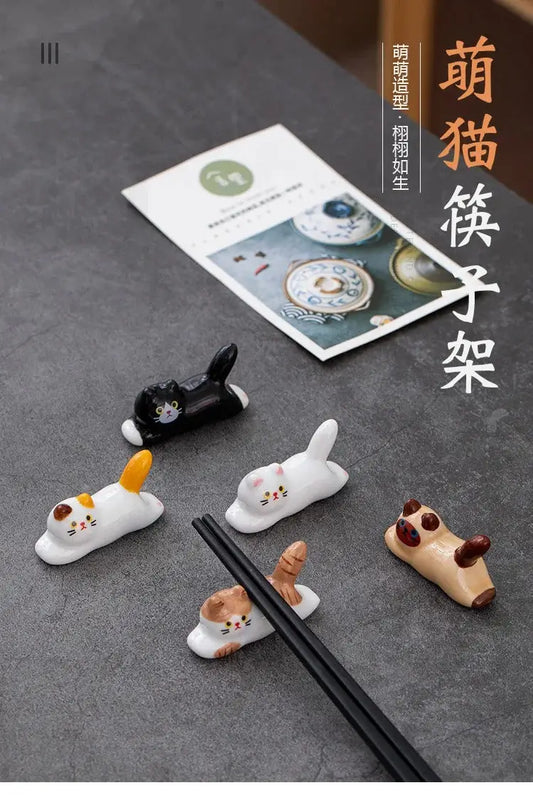
Cats Chopsticks Holder Set
Regular price 26$ USDRegular priceUnit price per -
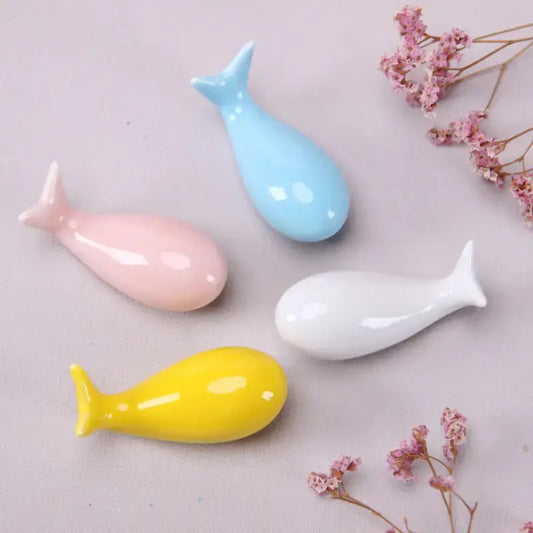
Cute Whales Chopsticks Holder Set
Regular price 21$ USDRegular priceUnit price per -
Cinnamoroll Cute Chopsticks Holder Set
Regular price 26$ USDRegular priceUnit price per -
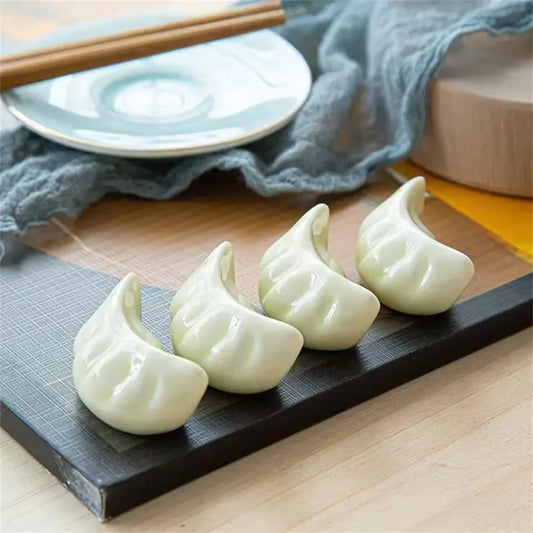
Gyoza Style Chopsticks Holder Set
Regular price 26$ USDRegular priceUnit price per -
Mushroom Chopsticks Holder Set
Regular price 17$ USDRegular priceUnit price per -
Sakura Chopsticks Holder Set
Regular price 26$ USDRegular priceUnit price per






🥢✨ Chopstick Holders (Hashioki): Function, Style, and Tradition at the Table 🛍️🍱🎌
Whether you're setting the table for an elegant dinner party, preparing a bento for someone special, or simply elevating your daily dining experience, chopstick holders — known as hashioki (箸置き) in Japanese — offer the perfect combination of functionality, elegance, and cultural charm.
These small table accessories are more than decorative. They serve a practical purpose, showcase fine craftsmanship, and often reflect seasonal beauty or personal style.
In this guide, we’ll walk you through everything you need to know about chopstick holders — from what they are and how they’re used, to the different types available and how to choose the perfect one for your setting.
✅ What Is a Chopstick Holder (Hashioki)?
A chopstick holder, or hashioki, is a small object placed on the dining table to rest the tips of your chopsticks when not in use.
✔️ Primary purposes:
- Hygiene: Keeps chopsticks from touching the table surface
- Etiquette: Prevents inappropriate placement (e.g., sticking chopsticks upright in rice, which is considered impolite)
- Aesthetics: Adds style, seasonal flair, and personality to your table setting
While they’re small in size (usually around 2–3 inches long), they play a big role in formal dining etiquette in Japan and other East Asian cultures.
📦 Why Use Chopstick Holders?
Adding hashioki to your dining setup immediately elevates your presentation — whether at home, in a restaurant, or at an event.
💡 Benefits of using chopstick holders:
- ✅ Protects tablecloths and wood from food stains
- ✅ Prevents contamination of utensils
- ✅ Adds a polished, thoughtful touch to place settings
- ✅ Offers a conversation starter for guests
- ✅ Complements themed or seasonal tableware
- ✅ Makes a charming gift or collectible item 🎁
In Japanese hospitality, attention to detail is everything. Hashioki are a subtle way to show care and attention to the dining experience.
🛠️ Types of Chopstick Holders (Materials & Styles)
Chopstick holders come in a wide variety of materials and designs — ranging from minimalist and functional to elaborate and collectible.
Here’s a breakdown of the most common types:
🏺 1. Ceramic & Porcelain
Best for: Traditional, formal, or artistic settings
- Handmade or mass-produced
- Often glazed with seasonal patterns (cherry blossoms, waves, animals)
- Common in ryotei restaurants, tea ceremony tables, or home collections
Popular styles:
- Crane, cat, or turtle shapes 🐢🐱🕊️
- Mount Fuji or floral motifs 🌸🗻
🌿 2. Wood & Bamboo
Best for: Natural, rustic, or minimalist aesthetics
- Lightweight and warm to the touch
- Matches well with wooden trays and earthenware
- Often finished with natural oils or lacquer
Look for: Organic lines, wabi-sabi textures, or understated curves
💎 3. Glass
Best for: Modern or seasonal summer settings
- Translucent and cool-looking
- Often shaped like water droplets, leaves, or ice cubes
- Adds lightness and elegance to summer meals
Great pairing with: Cold noodles, sashimi sets, or light salads
🪙 4. Metal
Best for: Contemporary and high-end tableware sets
- Stainless steel, bronze, copper, or alloy
- Precision-cut designs or laser-etched motifs
- Durable, easy to clean, and stylish
Popular in: Upscale restaurants or modern home décor
✂️ 5. Folded Paper (Origami-Style)
Best for: Casual or DIY dining
- Made from napkins or chopstick sleeves
- Seen in izakaya, sushi counters, and informal meals
- Often handmade as a personal touch
Fun tip: Try folding your own hashioki at the table to impress guests!
🧧 Choosing the Right Hashioki
Here are five quick tips to help you choose the perfect chopstick holder for your space or occasion:
| Factor | Considerations |
|---|---|
| Function | Daily use? Occasional hosting? Formal events? |
| Material | Ceramic = elegant, Wood = natural, Metal = modern |
| Style | Match your dinnerware or seasonal décor |
| Size | Ensure it fits the chopsticks properly — not too narrow or large |
| Theme | For gifts or events, choose symbolic designs (e.g. cranes = longevity, sakura = spring) |
🧳 Great for Gifting & Collecting
Hashioki make perfect gifts — especially for:
- Foodies 🍜
- Travelers who love Japan 🇯🇵
- Tea lovers 🍵
- Collectors of miniatures or ceramics 🎎
- Hosts or hostesses looking to enhance their table settings 🍽️
🔄 Seasonal Hashioki: Switch with the Seasons!
One of the most charming aspects of hashioki is their seasonal adaptability.
Many people keep multiple sets and rotate them with the time of year:
| Season | Common Motifs |
|---|---|
| 🌸 Spring | Cherry blossoms, butterflies, young bamboo |
| ☀️ Summer | Fans, goldfish, waves, fireworks |
| 🍁 Autumn | Maple leaves, persimmons, chestnuts |
| ❄️ Winter | Snow rabbits, pine branches, plum blossoms |
This simple rotation keeps your tableware feeling fresh and intentional, and makes meals more festive and connected to nature 🌿
📸 How to Style Chopstick Holders on Your Table
Looking to create a visually appealing table setup with your hashioki? Here’s a quick styling guide:
✅ Place the hashioki horizontally on the lower right corner of the tray or table setting
✅ Lay the chopsticks on the holder with the tips pointing left
✅ Match colors and materials to your plates, bowls, and serving ware
✅ Use matching pairs for formal events or mix-and-match for casual charm
✅ Add seasonal flowers or a folded napkin nearby to complete the presentation
Your table will look ready for a tea ceremony or an Instagram foodie shoot 📸🍽️✨
💬 Why This Tiny Tool Deserves a Spot on Every Table
Chopstick holders may seem like a small detail, but in Japanese culture, every detail matters. They blend hygiene, etiquette, artistry, and emotion — all in a two-inch work of tableware art.
Whether you’re buying your first set or looking to expand your collection, hashioki are:
- Affordable
- Collectible
- Customizable
- And endlessly charming
So whether you're setting the table for guests, enjoying a peaceful solo dinner, or curating a modern Asian kitchen aesthetic — don't overlook the quiet beauty of the hashioki 🥢🌸🧡
