
-
AE-86 Initial-D JDM Mouse Pad
Regular price From 26$ USDRegular priceUnit price per -
19 AE-86 JDM Plate Keychain
Regular price 15$ USDRegular priceUnit price per -
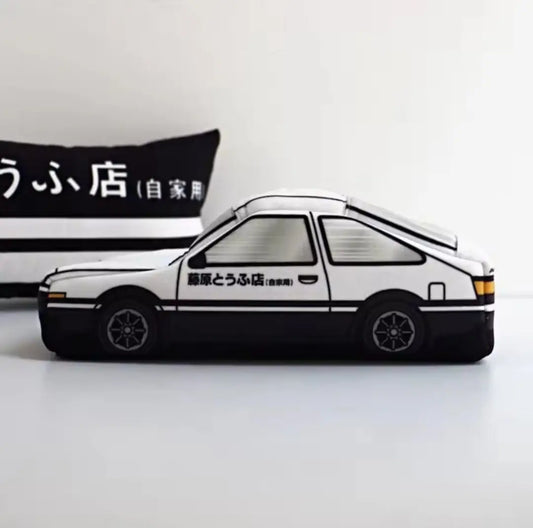
AE-86 Car Plush Tissue Box
Regular price 28$ USDRegular priceUnit price per -
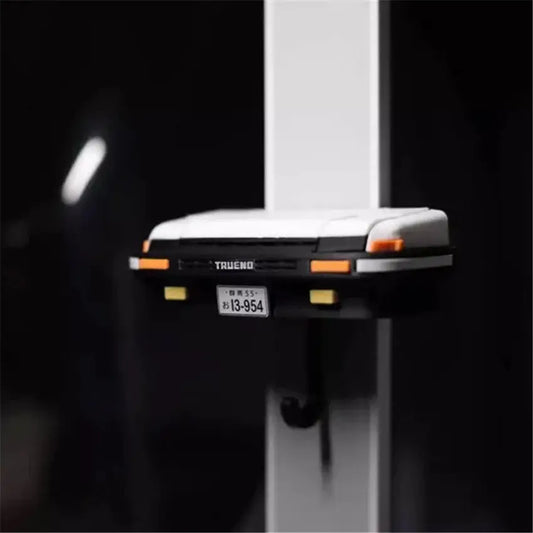
AE-86 JDM Wall Key Holder
Regular price 26$ USDRegular priceUnit price per -
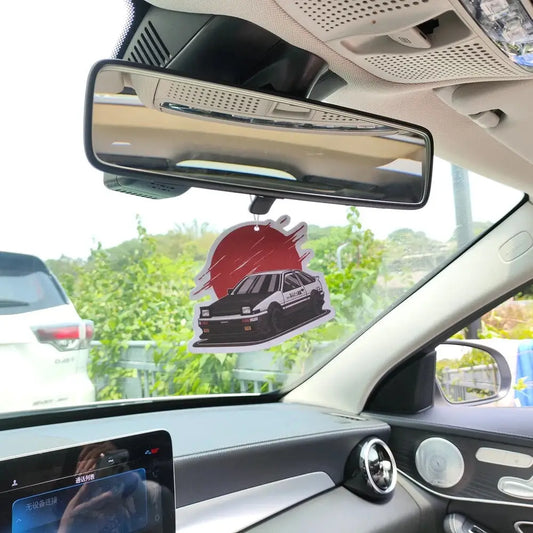
AE-86 JDM Car Air Freshener
Regular price 11$ USDRegular priceUnit price per -
Black AE-86 RC Drift Car
Regular price 53$ USDRegular priceUnit price per -
1/24 AE-86 RC Drift Car
Regular price 53$ USDRegular priceUnit price per -
AE-86 JDM Plate Necklace
Regular price 17$ USDRegular priceUnit price per










Meet the Legend: The AE86 Sprinter Trueno
In the world of cars and car culture, few names evoke the passion, nostalgia, and adrenaline that the Toyota AE86 does. Also affectionately known as the Hachiroku ("eight-six" in Japanese), this unassuming compact sports coupe rose from its humble roots to become one of the most iconic vehicles in the history of drifting, street racing, and pop culture.
The AE86 is part of the fifth-generation Toyota Corolla/Sprinter line, produced from 1983 to 1987. With its lightweight frame, rear-wheel drive layout, and a high-revving 1.6L 4A-GE engine, it was a car that offered driving purity. But what catapulted the AE86 into global legend was more than its mechanical prowess — it was its soul.
And no one captured that soul better than the hit manga and anime series Initial D, where the AE86, driven by Takumi Fujiwara, became a symbol of mastery, speed, and street credibility. From the mountain passes of Gunma to the hearts of car enthusiasts worldwide, the AE86 is more than just a car — it's a cultural icon.
A Brief History: Engineering Simplicity, Legendary Results
The AE86 was introduced by Toyota as part of the E80 series Corolla and Sprinter lineup. While most models in this generation moved to front-wheel drive, Toyota retained a rear-wheel-drive setup for the AE86 variants (the Sprinter Trueno and Corolla Levin) — a decision that would unexpectedly shape the drifting world.
Under the hood, it housed the legendary 4A-GE engine, a twin-cam, 16-valve inline-four that was also used in Toyota's sportier MR2. The car featured a lightweight chassis, well-balanced weight distribution, and responsive steering, making it a joy to drive.
It wasn't the fastest on paper, but on the touge (mountain passes), the AE86 danced. Its ability to maintain speed through corners, predictable handling, and tunable setup made it a favorite among grassroots racers and professionals alike.
Production ended in 1987, but the AE86's story was just beginning.
Pop Culture Icon: Initial D and the Rise of the Hachiroku
The AE86's legendary status was immortalized in Initial D, a manga written by Shuichi Shigeno and later adapted into an anime series. It follows Takumi Fujiwara, a tofu delivery boy who unknowingly becomes a drifting prodigy. His car? A seemingly outdated AE86 Sprinter Trueno.
Takumi’s late-night tofu runs through Mount Akina's hairpin turns became the stuff of legend. With eurobeat music blasting, godlike driving skills, and the AE86 as the unassuming hero, Initial D created a generation of car lovers who didn’t just admire exotic supercars, but connected deeply with something real, raw, and reachable.
In the series, the AE86 proved time and again that driver skill and vehicle balance could beat raw horsepower. It became more than a vehicle — it was a symbol of humility, grit, and technical mastery. Today, the car is forever linked to that drifting legacy.
Why the AE86 is Still Worshipped Today
The AE86 isn’t just nostalgia — it still holds real value in the automotive world. Here’s why:
1. Lightweight, RWD Simplicity: In a world of increasingly complex electronics, the AE86 is a reminder of analog purity. It forces the driver to engage with the road.
2. Tuner-Friendly Platform: The car is beloved by modders. From engine swaps to coilovers, roll cages to carbon fiber hoods, it's a blank canvas for building a dream machine.
3. Drift DNA: The AE86 helped shape the early days of professional drifting in Japan. It remains a favorite for learning the art of the slide.
4. Community and Culture: Owners form tight-knit groups, sharing knowledge, hosting meets, and honoring the car's heritage. Hachiroku festivals and events happen worldwide.
5. Rising Value: As clean AE86s become rarer, their value has surged. Collectors and enthusiasts alike know: this isn't just a car — it's an investment.
AE86 Variants and Specs
Here’s a quick look at the AE86 variants:
| Variant Name | Features | Notes |
|---|---|---|
| Sprinter Trueno | Pop-up headlights | Famously featured in Initial D |
| Corolla Levin | Fixed headlights | Slightly lighter than the Trueno |
| GT-APEX | Performance trim | LSD, sport suspension, power options |
| SR/S/GTV/GT-V | Other trim levels | Vary in equipment and interior quality |
Both the Trueno and Levin were available in coupe and hatchback forms, further diversifying the AE86's appeal to different drivers and tuners.
Legacy on the Road and Track
The AE86's influence can be felt in many ways:
-
Modern cars like the Toyota 86/GR86 directly draw inspiration from the Hachiroku’s spirit.
-
Drifting leagues still see AE86s compete with modern builds, often surprising with their agility.
-
Racing simulators and games (Gran Turismo, Forza, Assetto Corsa) regularly include the AE86 due to its legendary status.
But perhaps its biggest legacy is emotional. For many, the AE86 was their first real car love — not because of speed or status, but because of the feeling. The feeling of driving something alive, responsive, and real.
In the world of JDM legends, the AE86 isn’t just respected — it’s revered.
From tofu deliveries to drift podiums, the spirit of the Hachiroku lives on.
