
-
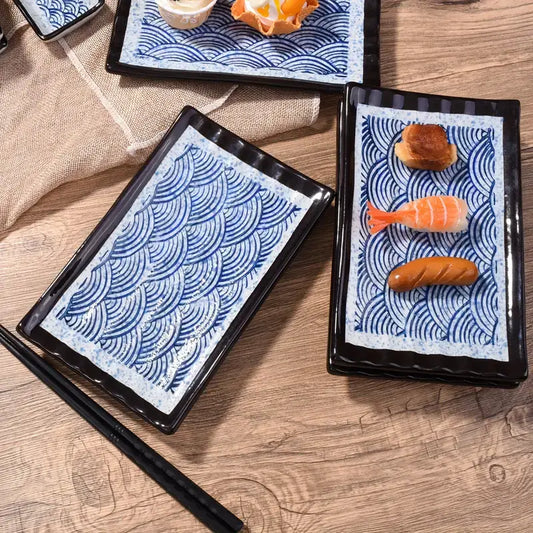
Charcoal Stone Sushi Plate
Regular price 26$ USDRegular priceUnit price per -
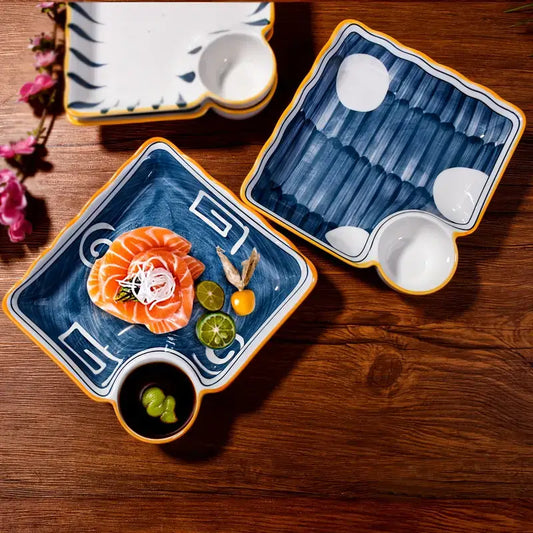
Japanese Fan Sushi Plate
Regular price 32$ USDRegular priceUnit price per -
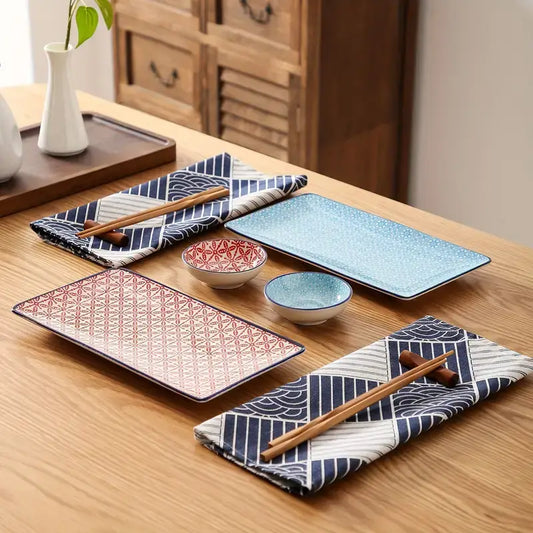
Japanese Waves Sushi Plate Set
Regular price 38$ USDRegular priceUnit price per -
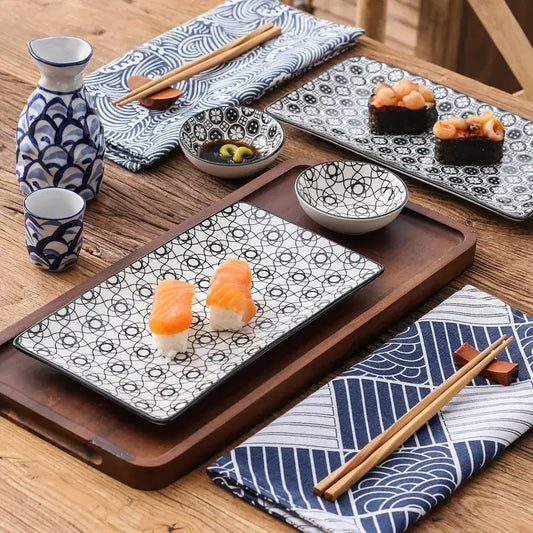
Traditional Pattern Sushi Saucer Plates Set
Regular price 48$ USDRegular priceUnit price per -
Indigo Blue Sushi Saucer Plates Set
Regular price 48$ USDRegular priceUnit price per -
Red Sakura Sushi Plate Set
Regular price 74$ USDRegular priceUnit price per -
Sakura Kanji Sushi Plate Set
Regular price 74$ USDRegular priceUnit price per -
Blue Dream Sushi Plate Set
Regular price 74$ USDRegular priceUnit price per -
Azure Spring Sushi Plate Set
Regular price 74$ USDRegular priceUnit price per -
Folk Florals Sushi Plate Set
Regular price 74$ USDRegular priceUnit price per







🍣✨ Sushi Plates: Crafting Tradition, Elevating Presentation, Serving Culture 🧂🪷🍽️
In Japanese cuisine, the first taste is with the eyes 👀🍥. The glisten of a salmon nigiri, the delicate roll of tamago, the precise cut of maguro — each piece is a study in form, balance, and subtle color. But beneath the sushi lies the silent hero of the meal: the sushi plate.
Also known as sara (皿) in Japanese, sushi plates are more than serving ware. They are an extension of the chef’s philosophy, the restaurant’s personality, and the diner’s experience. From handcrafted ceramics to sleek slate slabs, sushi plates are chosen with precision and pride.
In this guide, we’ll explore the elegant world of sushi plates — their history, materials, sizes, design symbolism, and how to choose the right one for your sushi spread or restaurant setting 🥢🍶🏮
🎎 A History Plated in Porcelain: Sushi Plates Through the Ages 📜🍱
The story of sushi plates is deeply tied to the evolution of sushi itself. Originally sold as street food in Edo-period Tokyo (then Edo), sushi was eaten by hand or wrapped in bamboo leaves 🍃
As sushi evolved from fast food to fine art, particularly during the 20th century, so did its presentation. Chefs began treating the sushi plate not as a background, but as a canvas — inspired by kaiseki, Japan’s high-end seasonal cuisine.
Each plate became a frame — highlighting, contrasting, and harmonizing with the delicate pieces atop it. Presentation became poetry — and the plate, its stage 🎭🍽️🖼️
🧩 What Makes a Sushi Plate? Function Meets Philosophy 🎨📐
A sushi plate isn’t just a rectangle with some color. It’s a deliberate design meant to serve both culinary function and visual harmony.
✅ Essential characteristics of a sushi plate:
| Element | Why It Matters |
|---|---|
| Flat surface | Supports delicate placement of sushi; prevents tipping or crowding |
| Raised edges | Minimal, if any — allows easy chopstick access |
| Textural contrast | Highlights glossy fish, glutinous rice, or crisp garnish |
| Proportional scale | Should match sushi size and quantity; not oversized |
| Color harmony | Complements sushi tones — reds, whites, greens, oranges |
In Japanese plating aesthetics, less is more. The plate must not overpower the food — it must whisper, not shout.
🛠️ Materials & Craftsmanship: What Sushi Plates Are Made Of 🧵🏺
Different materials give sushi plates their unique look, feel, and character. Let’s explore the most common types found in both traditional and modern settings:
🏺 1. Ceramic (Yakimono)
The most popular and traditional sushi plate material.
- Feels natural, warm, handmade
- Typically made in pottery regions like Mashiko, Seto, or Shigaraki
- Glazed or matte finish; often with slight irregularities (embracing wabi-sabi)
Best for: Traditional sushi restaurants, omakase bars, rustic plating aesthetics 🍶
🔳 2. Porcelain (Jiki)
Finer, whiter, more refined — ideal for upscale and minimalist presentations.
- Smooth, glossy surface perfect for showcasing nigiri sheen
- Often painted with blue and white motifs, cranes, waves, or florals
- Light and thin, with high attention to detail
Best for: Kaiseki-inspired service, tea ceremonies, special occasions ☁️🌸
🧱 3. Stoneware / Slate
Earthy, raw, and dramatic.
- Dark backgrounds make sushi colors pop
- Often rectangular or slab-like with rough edges
- Appeals to modern or fusion sushi dining
Best for: Contemporary restaurants, Instagram-worthy presentations 📸🌚
🪵 4. Wood or Hinoki Boards
Minimal, fragrant, and symbolic of purity in Japanese cuisine.
- Absorbs moisture (but must be cared for)
- Used in traditional Edomae sushi counters
- Enhances sensory experience with aroma and texture
Best for: High-end sushi omakase, in front of the chef 🍣🪵👨🍳
🪞 5. Glass & Acrylic
Modern, sleek, and dramatic — lets light reflect off the sushi.
- Comes in clear, frosted, or textured forms
- Often paired with dry ice effects or artistic plating
- Easily cleaned, lightweight, and showstopping
Best for: Sushi catering, modern fusion, or theatrical dining experiences 💡🎇
🧱 Shapes & Sizes: Not Just Rectangles! 📏🍣
While rectangular sushi plates are most common, there’s a world of diversity in shapes, each serving its own purpose.
🟫 Rectangular (Nagazara 長皿)
- The go-to sushi plate shape
- Fits rolls, sashimi, or multiple nigiri in a single line
- Encourages horizontal visual flow
🟦 Square
- Creates grid-style plating — ideal for small assortments or appetizers
🟡 Round
- Often used for shared platters, artistic or seasonal presentations
- Symbolizes wholeness and harmony
🔺 Irregular or Organic Shapes
- Inspired by leaves, waves, mountains, or tatami patterns
- Bring an artisan, one-of-a-kind feel to the table 🖌️
Size matters too!
- Small plates (15–20cm) = ideal for single sushi servings or snacks
- Medium plates (25–30cm) = typical for home use or sushi sets
- Large platters (35cm+) = restaurant service or group sharing
🖌️ Design & Decoration: When the Plate Tells a Story 🎴🖼️
Sushi plates aren’t just practical — they’re visual storytelling tools. Traditional designs often draw from nature and seasonal motifs:
🍃 Popular Japanese Plate Themes:
- Cherry blossoms (sakura) = spring, renewal
- Maple leaves (momiji) = autumn, change
- Ocean waves (nami) = movement, freshness
- Cranes & turtles = longevity and luck
- Mount Fuji, bamboo, pine = strength and stability
Modern sushi plates may use:
- Abstract patterns 🌀
- Geometric grids 📐
- Minimalist monochrome ⚫⚪
- Or even playful styles like cats, sumo wrestlers, or ukiyo-e art 😺🎨
Each design affects the mood of the meal — whether intimate, festive, meditative, or fun.
🍱 Sushi Plate Sets: What’s Included & How to Buy 🛒📦
Whether you're shopping for personal use, gift-giving, or outfitting a restaurant, sushi plate sets are a great choice for cohesion and value.
A standard sushi plate set may include:
| Item | Purpose |
|---|---|
| 🍽️ 1–2 Large plates | For nigiri, rolls, sashimi |
| 🥢 2–4 Small plates | For appetizers or pickles |
| 🥢 Chopstick holders (hashioki) | To complete the etiquette |
| 🥢 Matching chopsticks | Optional but elegant |
| 🍶 Soy sauce dishes | Dipping without over-soaking |
💡 Tips for Buying:
- Match the set to your table size and aesthetic
- Look for microwave and dishwasher safe materials if convenience matters
- For gifting, choose sets in wooden boxes or furoshiki wraps
Recommended for:
- Sushi lovers building a personal sushi night set 🧑🍳
- Couples who love Japanese cooking ❤️
- Restaurants or sushi bars needing cohesive tableware 🔪
🎎 Sushi Plates in Culture: More Than Just Tableware 📿
In Japan, presentation is part of the spiritual act of dining — and the plate is part of that ritual.
Sushi plates appear in:
- Tea ceremony sweets courses
- Seasonal kaiseki meals
- Omakase counters
- Bento presentation
- New Year’s osechi platters
Collectors also prize handcrafted sushi plates made by pottery masters, signed and sometimes fired in centuries-old kilns 🔥🏺
In many homes, families rotate sushi plates with the seasons — just as they would change flowers in the genkan or scrolls in the tokonoma 🧧🌸
📸 Sushi Plates & Social Media: A Visual Statement 🤳🍣
In the Instagram and YouTube era, sushi plating has become a visual artform.
Chefs and home cooks alike use sushi plates to:
- Showcase food styling and ingredient colors
- Create themed plating (e.g., cherry blossom sushi rolls on sakura plates)
- Share seasonal visuals tied to Japanese holidays
A beautiful sushi plate can transform a simple dish into a viral post or cherished memory 💖📷
🧧 Why Sushi Plates Matter 🍣💫
A sushi plate isn’t just what you serve food on — it’s what you serve food with.
It’s the texture beneath the toro. The edge against which your chopsticks pause. The seasonal echo of the sakura on your sashimi 🌸
Whether ceramic or slate, round or square, minimal or hand-painted — the sushi plate tells your story.
So the next time you prepare sushi at home, host guests, or curate a dining experience, choose your plate with intention.
Because sushi isn’t just eaten — it’s plated, framed, celebrated 🥢✨🎏
