
-
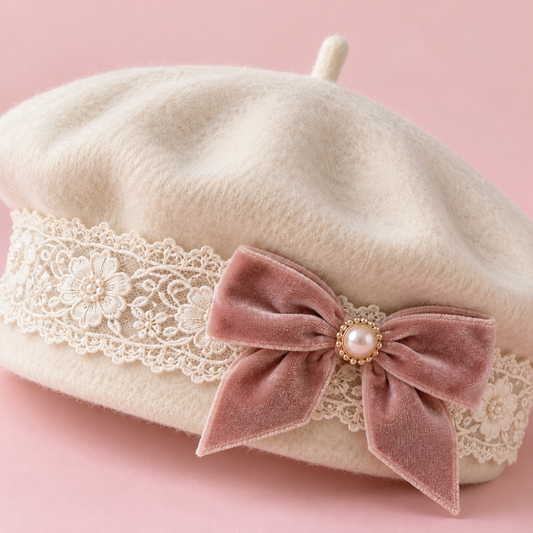
Ivory Lace Band Rose Bow Beret
Regular price 28$ USDRegular priceUnit price per -
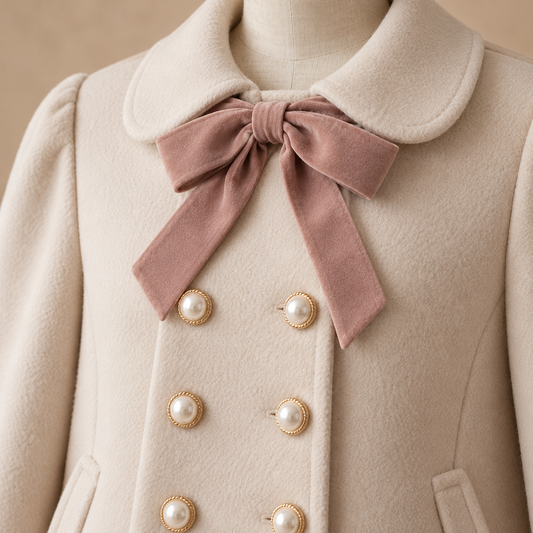
Beige Pearl Button Bow Coat
Regular price 74$ USDRegular priceUnit price per -
Dusty Rose Velvet Pearl Headband
Regular price 21$ USDRegular priceUnit price per -
Ivory Lace Bow Leg Warmers
Regular price 24$ USDRegular priceUnit price per -
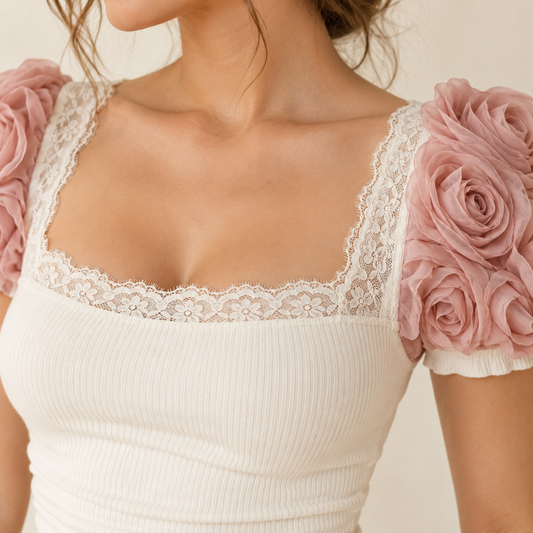
Ivory Rose Rosette Sleeve Top
Regular price 34$ USDRegular priceUnit price per -
Pink Heart Pearl Accent Necklace
Regular price 22$ USDRegular priceUnit price per -
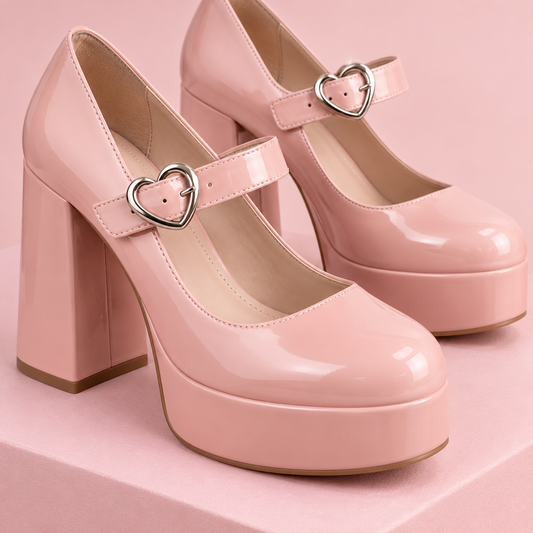
Blush Heart Buckle Mary Janes
Regular price 59$ USDRegular priceUnit price per -
Ivory Rose Lace Tiered Dress
Regular price 68$ USDRegular priceUnit price per -
Lavender Lace Collar Cardigan
Regular price 49$ USDRegular priceUnit price per -
Blush Heart Quilted Mini Bag
Regular price 46$ USDRegular priceUnit price per -
Dusty Rose Lace Pleated Skirt
Regular price 42$ USDRegular priceUnit price per -
Pearl Center Satin Bow Clips
Regular price 18$ USDRegular priceUnit price per -
Ivory Lace Bow Blouse
Regular price 38$ USDRegular priceUnit price per








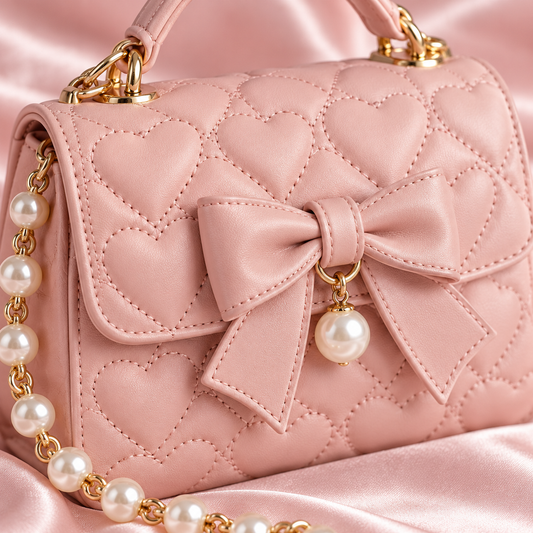


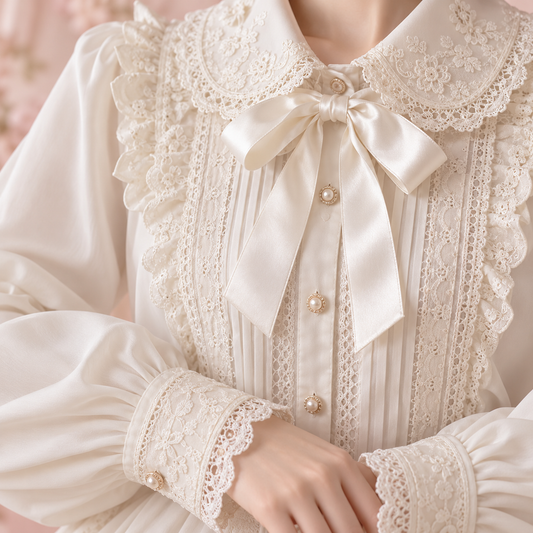
Ryousangata style is coordinated, feminine and made to feel special. Think polished blouses, neat bows, pleated skirts, soft pink accents, glossy accessories and a finished look where each detail feels connected. This collection page explores the colors, clothing and styling choices behind Ryousangata fashion, with ideas for making the look your own whether you prefer delicate pastels, classic black accents or a more dressed-up outfit.
Ryousangata style at a glance
The mood: polished, romantic, coordinated and expressive.
The palette: rose pink, ivory, black, soft beige and muted pastels.
The details: bows, collars, pleats, lace, matching accessories and careful finishing touches.
The styling idea: choose a clear palette and repeat one or two details throughout the outfit.
What is Ryousangata fashion?
Ryousangata is a Japanese fashion aesthetic associated with coordinated, feminine outfits and recognizable styling details. The look often brings together a blouse, skirt, ribbons, accessories and shoes in a carefully considered palette. A polished impression comes from the way the pieces work together: repeated colors, balanced proportions and finishing touches that feel intentional.
Coordination does not mean every item has to match exactly. It can be as simple as repeating rose pink in a bow and bag, pairing an ivory blouse with a black skirt and matching shoes, or choosing accessories that share a delicate motif. A consistent palette makes separate pieces feel like part of the same look, while small variations in texture and shape keep the outfit from feeling too uniform.
Ryousangata fashion can range from soft and understated to ornate and highly accessorized. Some outfits favor pastel cardigans and neat collars; others lean on black, lace, ribbons and a more dramatic contrast. There is room to adapt the details to your taste, the occasion and what feels comfortable. The central idea is a finished, coordinated appearance with a distinct point of view.

The pieces that shape the look
Blouses and tops often set the tone. A rounded or pointed collar, a bow at the neckline, puffed sleeves or delicate trim can make a top feel dressed up. Simple fabrics are useful when a skirt or accessory already has a lot of detail. A blouse can be worn on its own, layered under a cardigan or paired with a jacket for a sharper finish.
Skirts and coordinated bottoms help define the silhouette. Pleats add structure and movement, while a smoother skirt keeps the overall outfit clean. Think about the balance between the top and bottom: a fuller sleeve or layered collar can pair nicely with a simpler skirt, while an ornate skirt may look more balanced with a neat blouse. Choose a length and shape that feel easy to move in.
Cardigans and jackets bring color and structure into the outfit. A soft knit in pink, cream or lavender makes the look gentle; a black jacket introduces contrast. Cropped or fitted layers can highlight a high waist, while a relaxed cardigan gives the outfit a softer outline. The right layer should work with the sleeves underneath and feel comfortable when fastened or worn open.
Accessories tie the details together. Bows, hair clips, necklaces, bracelets, socks, bags and polished shoes can repeat a color or motif from the clothing. Accessories do not need to be identical. Two coordinated details are often enough to give a finished impression without making every part of the outfit compete for attention.
Choose a palette that feels cohesive
Rose pink and ivory create a soft, romantic foundation. Add beige or champagne tones for warmth, or use black to give the outfit a crisp outline. Lavender and pale blue can bring a cooler pastel mood. If you are unsure where to start, choose one main color, one neutral and one accent. Repeat the accent in two small places, such as a hair bow and bag charm, to link the pieces visually.
Black and pink is a particularly versatile pairing: pink softens the look while black adds definition. Ivory and dusty rose feel gentler; cream, beige and muted gold create a more classic palette. You can also build around a print, selecting one or two colors from it for your blouse, cardigan or accessories. Exact shade matching is not essential. Related tones can look more dimensional than a perfectly uniform set.
Texture also affects the color story. Lace, knitwear, smooth cotton, satin-like details, pleats and polished accessories catch light differently. A mostly neutral outfit can still feel rich when it combines a few textures. If several pieces have trim or embellishment, simplify the rest of the outfit so the details remain visible.
Rose, blush and dusty pink create a soft focal point. Repeat a shade in a ribbon or accessory for an intentional finish.
Light neutrals balance embellished pieces and keep a coordinated outfit airy and elegant.
Black details sharpen the silhouette and pair naturally with pink, lace, bows and polished shoes.
How to put a Ryousangata outfit together
Start with a focal piece rather than trying to coordinate everything at once. A blouse with a distinctive collar, a pleated skirt, a pastel cardigan or a pair of statement shoes can become the anchor. Choose supporting pieces that echo its colors or level of formality. If the blouse is ornate, let the skirt and accessories be simpler. If the outfit begins with a plain skirt, use the top or hair accessories to add a little more personality.
Use repetition to connect the outfit. A bow at the neckline can be echoed by a hair ribbon; a black skirt can be balanced by black shoes or a bag; a pink cardigan can appear again in a small accessory. Repeating color in different textures gives the result depth. The aim is not a rigid matching set but a visual thread that makes the overall look feel considered.
Pay attention to proportions. A fitted cardigan over a fuller skirt creates a defined shape; a looser knit can soften a crisp blouse and structured bottom. If you are wearing a large collar, bow or puffed sleeves, balance it with a cleaner line elsewhere. Skirt length, waistband placement and shoe shape all influence the final silhouette, so try the complete combination and adjust the pieces until it feels comfortable.
Think about the occasion and how long you will wear the outfit. A more elaborate combination may be perfect for photos, meetups or special outings, while a lighter version may suit everyday plans. Choose footwear that supports the amount of walking you expect, and make sure layers allow you to sit, move and stay comfortable. A coordinated outfit should still feel natural to wear.

Small details, finished impression
Hair accessories frame the face and make it easy to echo the rest of the outfit. A ribbon can match a blouse detail; a clip can pick up the color of a skirt or bag. Necklaces and earrings add shine near the neckline, while a bracelet or ring can bring a small finishing detail to the hands. You can keep jewelry delicate for a quiet look or use one more noticeable piece as a focal point.
Socks and shoes connect the outfit from top to bottom. Lace-trim socks or a soft neutral can continue a romantic palette; black shoes add contrast and create a more defined finish. If your outfit includes several bows or embellishments, a simpler shoe can give the eye a break. If the clothing is minimal, a decorative shoe or sock detail can bring in extra character.
Bags are both practical and visual. A small structured bag can make an outfit feel polished; a softer bag can keep it casual. Consider how its color works with your shoes, cardigan or accessories. You do not need to match every item: a related tone, a similar metal finish or a repeated bow detail may be enough to make the combination feel cohesive.
Explore different Ryousangata moods
Soft and romantic: Combine a cream blouse, a dusty-pink cardigan and delicate accessories. Keep the palette light and repeat one detail, such as a bow or floral accent, to make the look feel complete.
Classic with contrast: Use a black skirt or jacket as the foundation, then add an ivory blouse and rose-colored ribbon. This pairing feels polished while keeping the outfit from becoming too sweet.
Pastel and playful: Bring in lavender, pale blue or pink through knitwear, socks and hair accessories. Let one piece carry the strongest color, then repeat it with smaller accents.
More dressed up: Layer a blouse with a refined jacket, coordinate the shoes and bag, and choose a few carefully placed accessories. Balance decorative pieces with simpler fabrics so the outfit remains elegant rather than crowded.
A quick coordination formula
One focal garment + two supporting colors + one repeated detail + shoes suited to your day. Use the formula as a guide, then personalize the outfit with your favorite textures and accessories.
Choosing pieces with confidence
Before choosing an item, consider how it will layer with your existing wardrobe. Check product measurements and fit notes, especially for blouses, fitted cardigans and skirts. Sleeve width affects what can be worn underneath; waistband position affects where a top sits; skirt length changes how socks and shoes look together. Comparing measurements with a garment you already like can be more helpful than relying only on a size label.
Look at fabric, trim and care details. Lace, bows and decorative pieces may need gentler care than everyday basics. If you plan to wear the item often, think about how it can be styled in more than one combination. A blouse that works with both a pastel skirt and a dark neutral bottom gives you more options; a cardigan that layers comfortably can shift the mood of several outfits.
Product colors can vary slightly across lighting and screen settings. If you are coordinating a specific shade, review all available photos and the written description. A close color family is often enough to create harmony. Blush pink with dusty rose, cream with ivory, or charcoal with black can create subtle dimension while keeping the palette cohesive.

Make coordination personal
Ryousangata fashion celebrates a finished look, but coordination does not mean losing individuality. You can share a palette with a friend and choose different silhouettes; repeat bows or colors while selecting accessories that suit you; or make one piece the focus and keep everything else simple. A consistent color story can make an outfit feel polished without requiring identical garments.
If a look feels too formal, swap a structured piece for a soft knit or a more casual shoe. If it feels too plain, add a collar detail, hair accessory or bag charm. If it feels busy, choose one focal detail and remove anything that competes with it. Small changes help you find the balance that feels right for your plans and personality.
Ryousangata styling questions
Does a Ryousangata outfit have to be pink?
No. Pink is a popular choice, but black, ivory, beige, lavender and other soft shades can all shape the palette. Choose colors that work with your wardrobe and the mood you want.
How do I make separate pieces look coordinated?
Repeat one or two colors or details in different parts of the outfit. A ribbon can echo a bag accent, or black shoes can connect with a dark skirt or jacket.
Can I wear Ryousangata style casually?
Yes. Use one or two elements, such as a bow blouse, cardigan or coordinated accessory, with simpler everyday pieces. You can make the look as subtle or elaborate as you prefer.
How many accessories should I use?
There is no set number. Start with a few pieces that repeat the palette, then add more only if they support the focal point instead of competing with it.
What should I consider when choosing a skirt or blouse?
Check the measurements, fit notes, fabric and how the item will layer with pieces you already own. Comfort and movement matter as much as the finished silhouette.
Explore Ryousangata your way: choose a palette, repeat a detail you love and build a coordinated look that feels polished, comfortable and unmistakably yours.
