
-
Mosswood Fern Utility Jacket
Regular price 60$ USDRegular priceUnit price per -
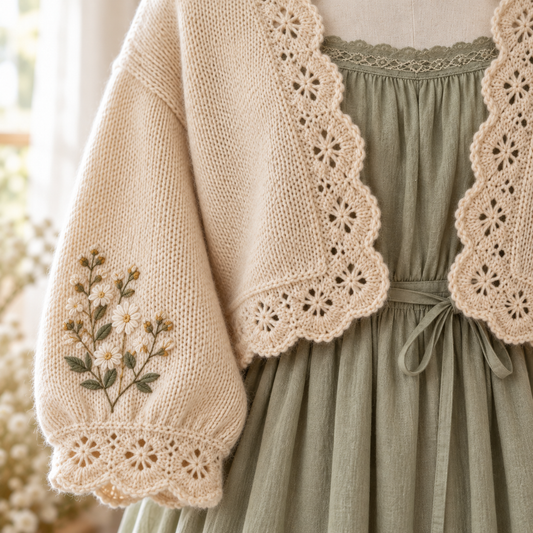
Oatmeal Bloom Cropped Shrug
Regular price 35$ USDRegular priceUnit price per -
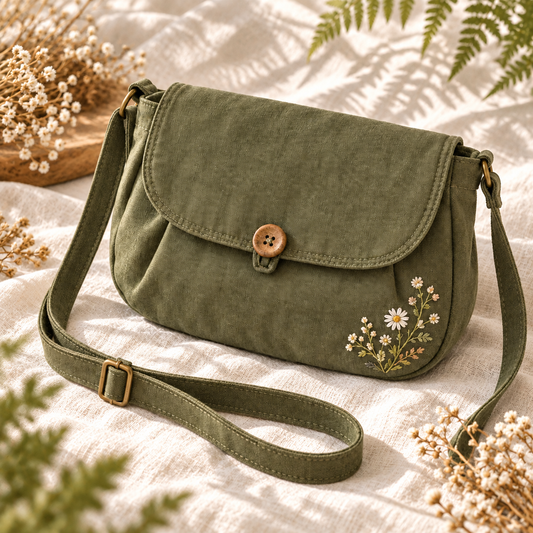
Wildflower Embroidered Crossbody Satchel
Regular price 35$ USDRegular priceUnit price per -
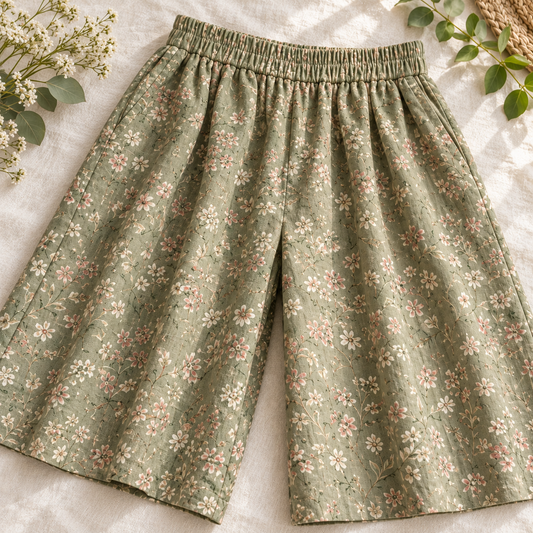
Sage Meadow Floral Culottes
Regular price 40$ USDRegular priceUnit price per -
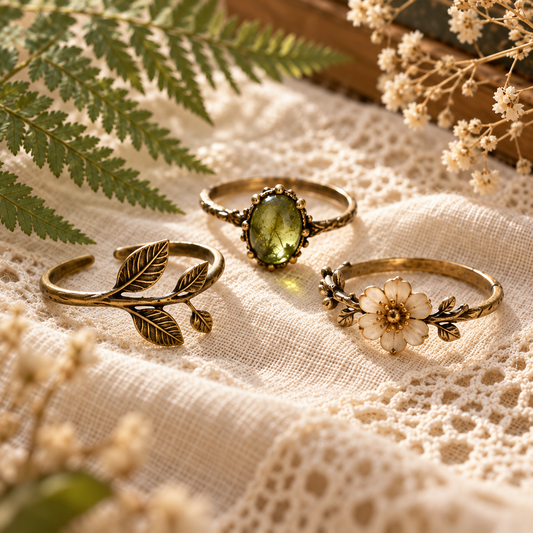
Woodland Botanical Ring Set
Regular price 22$ USDRegular priceUnit price per -
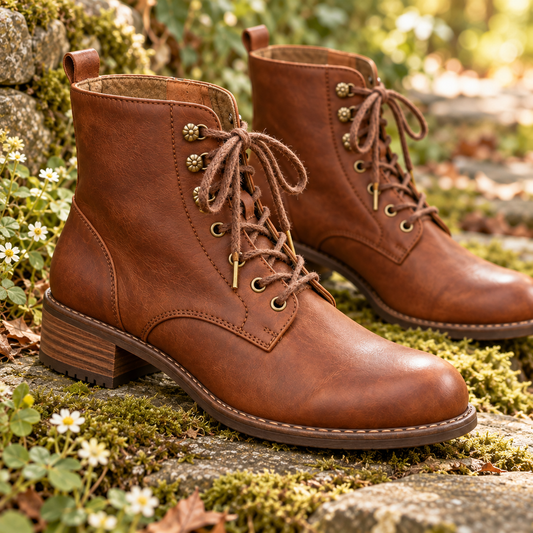
Chestnut Garden Lace-Up Ankle Boots
Regular price 60$ USDRegular priceUnit price per -
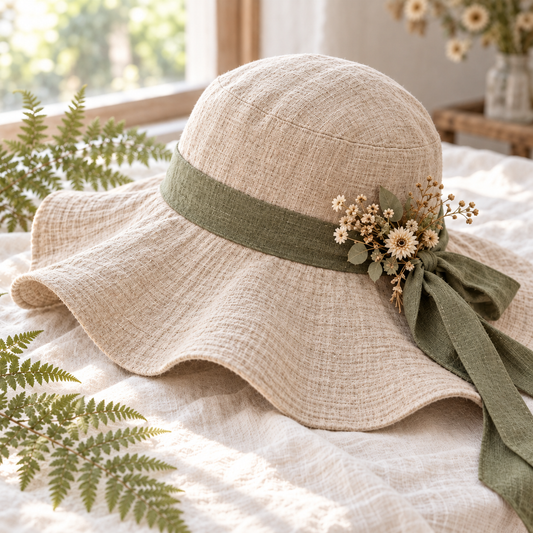
Meadow Ribbon Wide-Brim Sun Hat
Regular price 30$ USDRegular priceUnit price per -
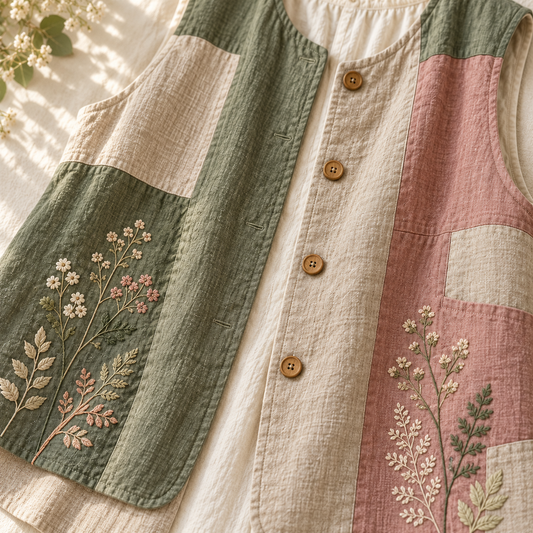
Wildflower Patchwork Mori Kei Vest
Regular price 45$ USDRegular priceUnit price per -
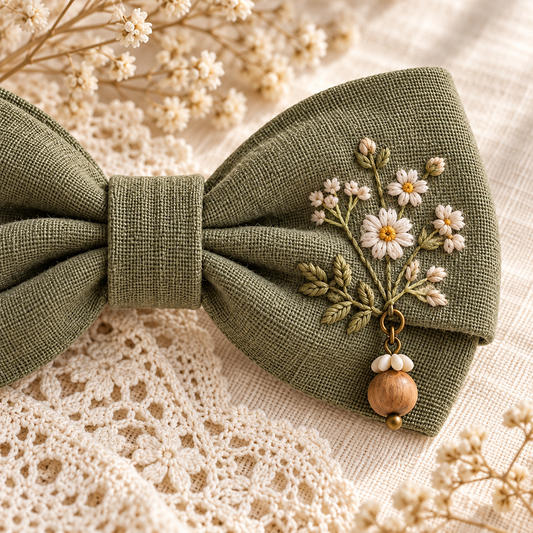
Wildflower Embroidered Bow Barrette
Regular price 17$ USDRegular priceUnit price per -
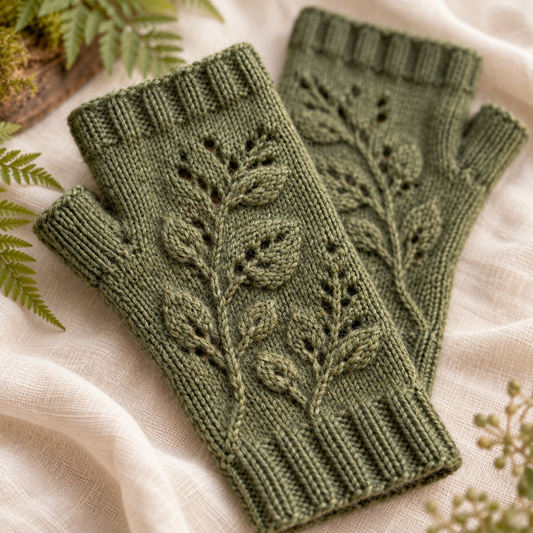
Mosswood Leaf Knit Fingerless Gloves
Regular price 25$ USDRegular priceUnit price per -
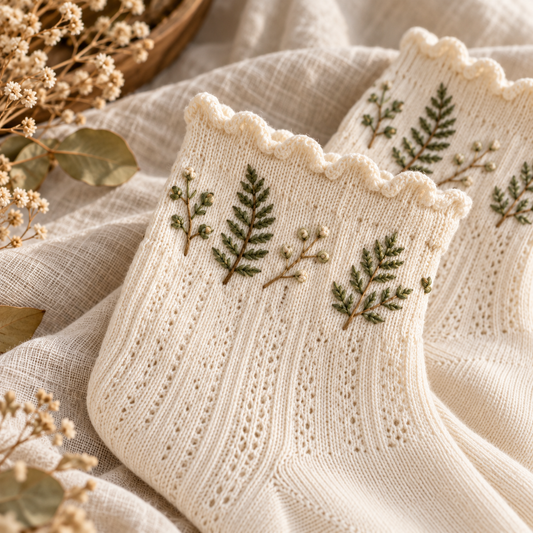
Fern Embroidered Mori Kei Ankle Socks
Regular price 13$ USDRegular priceUnit price per -
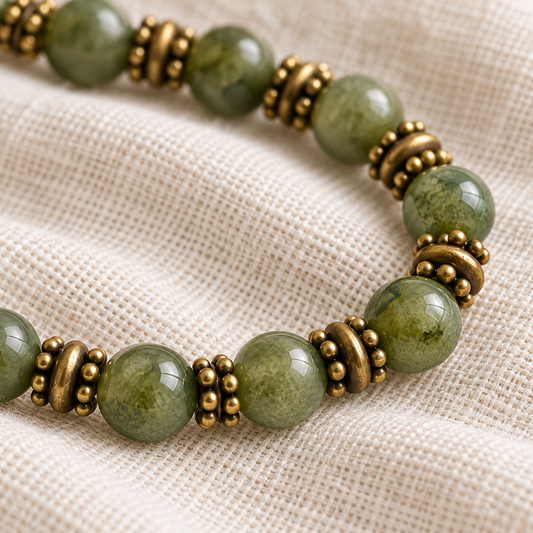
Woodland Moss Bead Bracelet
Regular price 18$ USDRegular priceUnit price per -
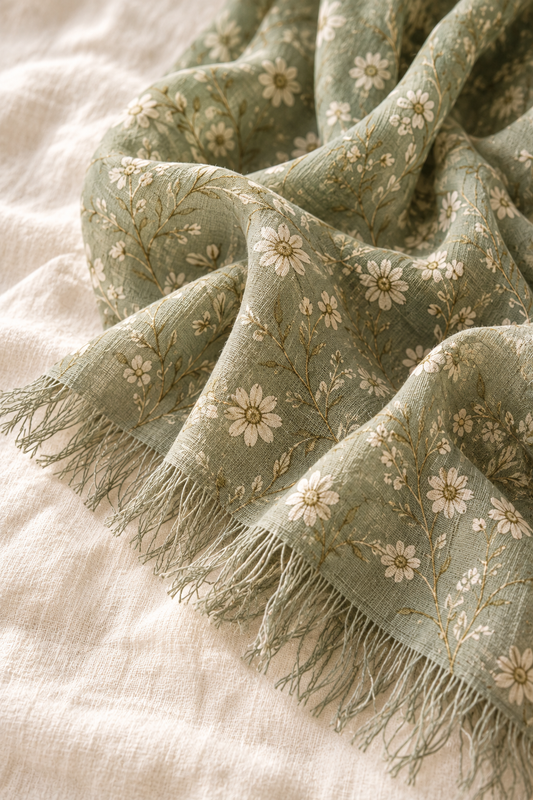
Sage Wildflower Fringe Scarf
Regular price 20$ USDRegular priceUnit price per -
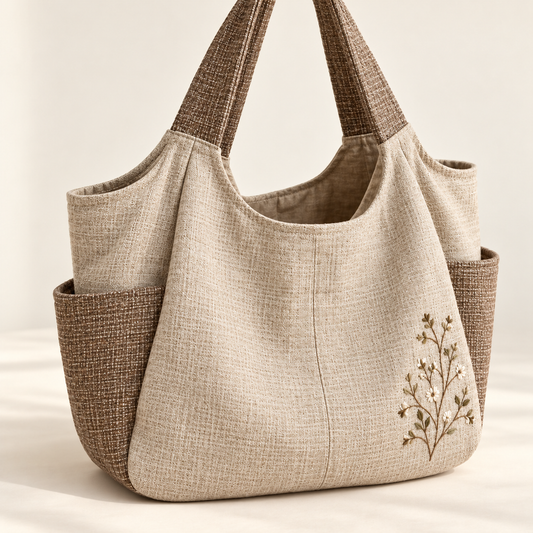
Willow Field Shoulder Tote
Regular price 30$ USDRegular priceUnit price per -
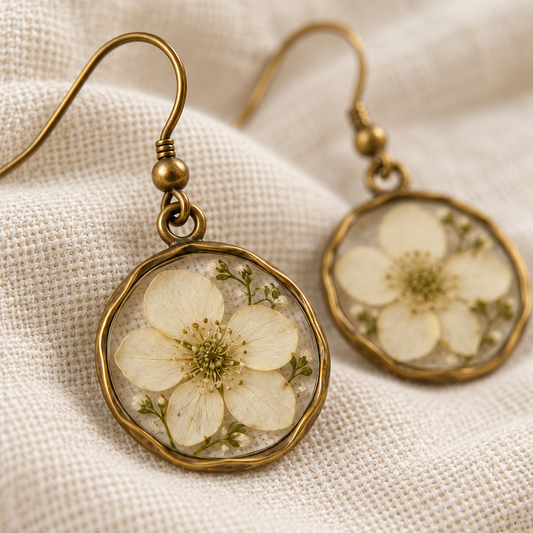
Meadow Bloom Dangle Earrings
Regular price 20$ USDRegular priceUnit price per -
Forest Path Pinafore Dress
Regular price 50$ USDRegular priceUnit price per -
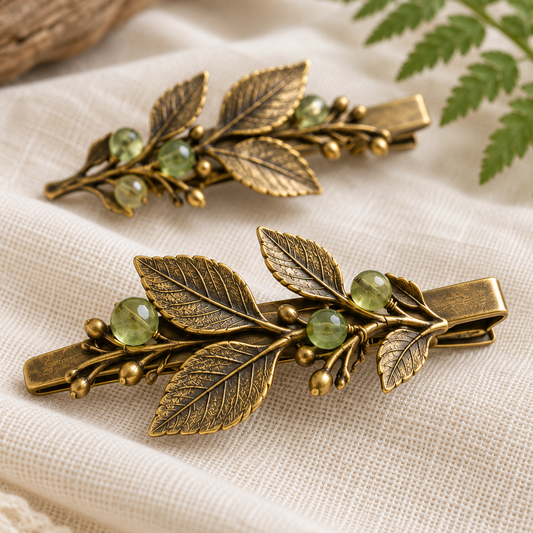
Fern and Leaf Hair Clip Set
Regular price 15$ USDRegular priceUnit price per -
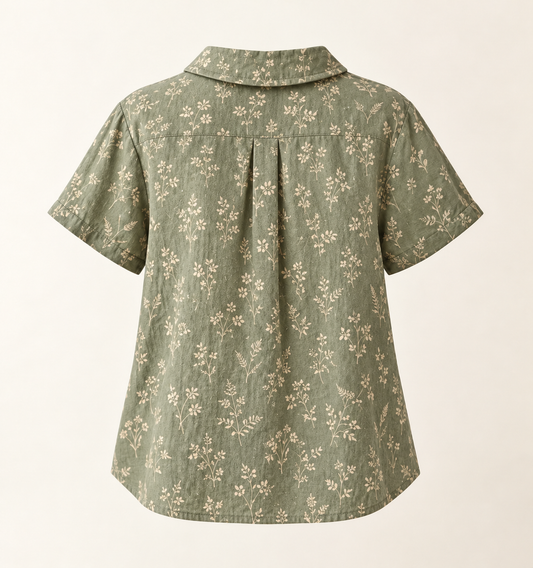
Willow Meadow Botanical Shirt
Regular price 33$ USDRegular priceUnit price per -
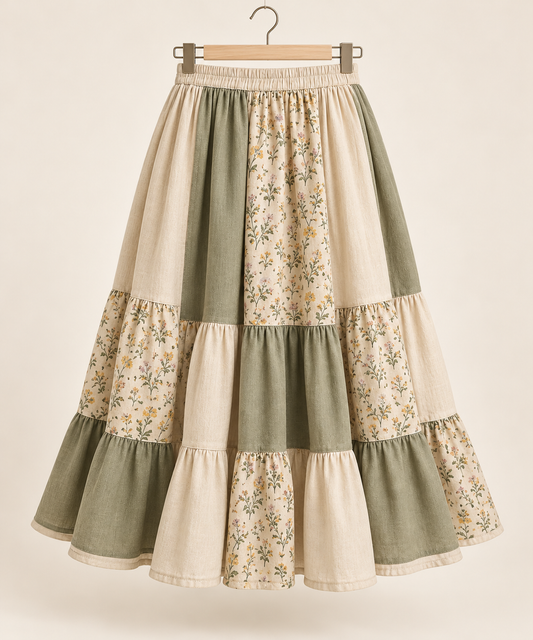
Wildflower Patchwork Midi Skirt
Regular price 40$ USDRegular priceUnit price per -
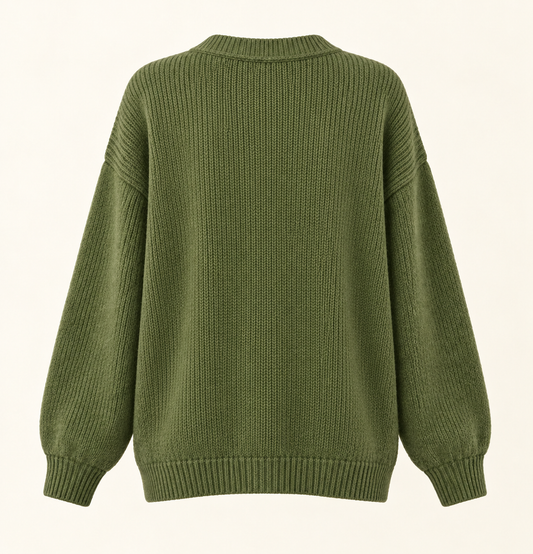
Fernwood Moss Knit Cardigan
Regular price 50$ USDRegular priceUnit price per -
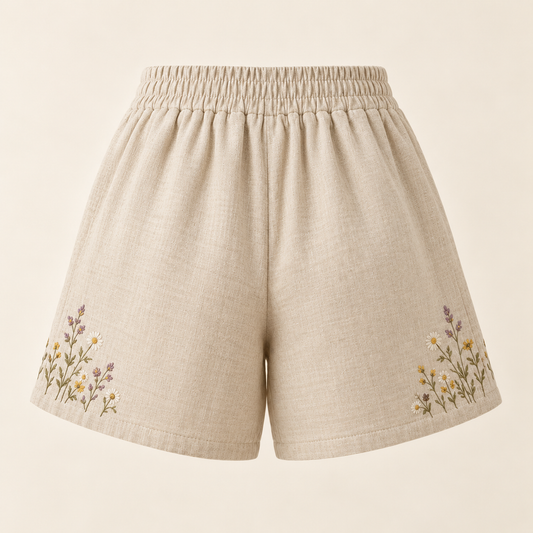
Meadow Wildflower Embroidered Shorts
Regular price 30$ USDRegular priceUnit price per -
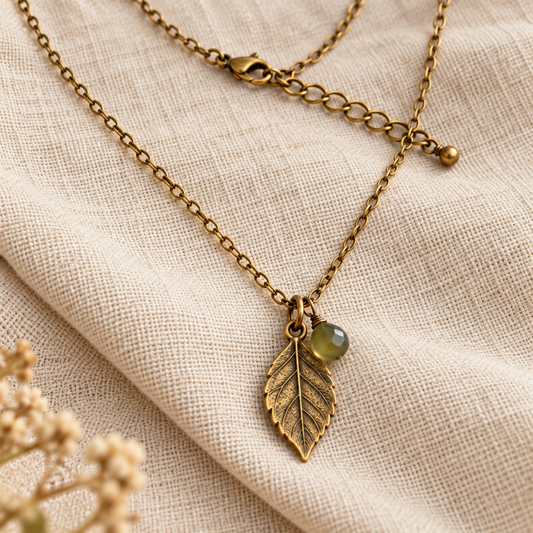
Botanical Leaf Pendant Necklace
Regular price 23$ USDRegular priceUnit price per -
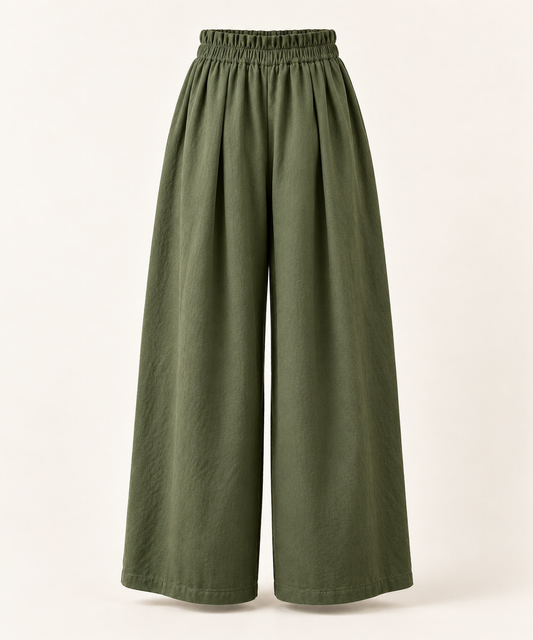
Moss Garden Wide-Leg Trousers
Regular price 40$ USDRegular priceUnit price per -
Lace Collar Woodland Blouse
Regular price 35$ USDRegular priceUnit price per -
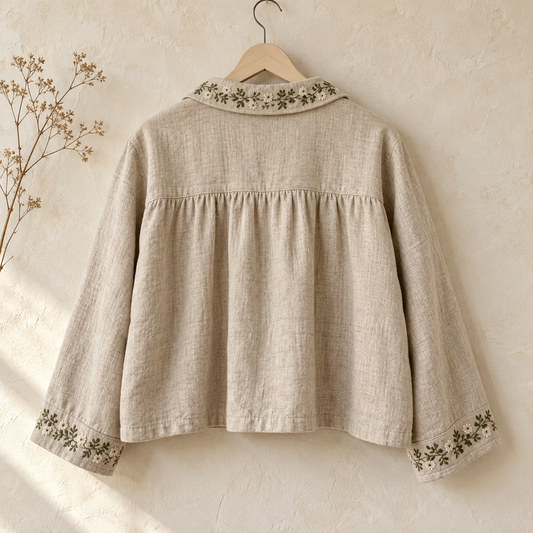
Woodland Embroidered Mori Kei Jacket
Regular price 50$ USDRegular priceUnit price per

























Step into the softer side of Japanese fashion. Mori Kei brings together flowing silhouettes, gentle layers and nature-led colors for a look that feels thoughtful, relaxed and distinctly personal.
Inspired by the forest, this style is built through texture and movement: a light blouse beneath a cardigan, a floral skirt beside a soft knit, and little details that make an outfit feel lived in. Explore the mood, find a color story you love, and make the look your own.

The feeling of Mori Kei
Mori means “forest” in Japanese. The style grew from a Japanese fashion community in the mid-2000s, and its signature remains easy to recognize: relaxed shapes, layered lengths, natural-looking colors and a gentle mix of vintage, folkloric and everyday details. Its forest inspiration is a mood rather than a costume; a wearable Mori Kei wardrobe can feel soft and imaginative while still being practical for an ordinary day.
Mori Kei fashion is not defined by one required garment or a rigid list of rules. The appeal comes from the overall impression: clothes that move comfortably, colors that feel connected to nature, and details that reward a closer look. One person may build a pale, romantic outfit around cream and floral prints; another may prefer deep green, brown, navy and sturdy layers. Both can draw on the same forest-inspired language.
Loose blouses, A-line dresses and skirts with movement.
Cardigans, scarves and hems that peek out naturally.
Florals, checks, lace, textured knits and tactile accessories.
Comfortable pieces chosen for your own pace and personality.
Mori Kei clothing: shape, texture and detail
Silhouette: Begin with shapes that have gentle volume. A-line dresses, gathered skirts, roomy blouses and long cardigans create movement without looking stiff. If several pieces are loose, vary their lengths so each layer remains visible. A shorter cardigan over a longer dress, or a blouse cuff extending beyond a sweater sleeve, gives the outfit definition while keeping its relaxed character.
Texture: Pair smooth and tactile surfaces rather than matching every material. A fine blouse can sit beneath a softly textured knit; a printed skirt can balance a plain cardigan; a woven bag can add a grounded finish. Lace, embroidery, small-scale florals, checks, pleats and gathered edges can all bring visual interest. Treat these as styling ideas, not claims about the fabric content of any specific garment. Always check individual product details for materials and care.
Print and pattern: Small florals and quiet checks are common ways to introduce a romantic or folkloric note. If you are mixing prints, keep a color in common between them and let one pattern be more prominent. If your outfit already has layered hems and rich textures, a solid color can create a welcome pause.
Build the look, layer by layer
Start with one relaxed piece you already love, then add a layer with a different texture or length. Repeat a color once or twice to tie the outfit together, and let one print or accessory be the focal point. A simple formula is a light blouse, a loose dress or long skirt, one knit layer, textured socks and comfortable shoes.
- Choose a base: A blouse, dress or skirt-and-top combination gives you a comfortable starting point. Choose a piece that feels good on its own before adding layers.
- Add a visible middle layer: A cardigan, overshirt or light sweater creates depth. Let a collar, sleeve, hem or print show so the layers feel deliberate.
- Connect the colors: Repeat a shade in two places, such as cream in a blouse and socks or brown in a bag and shoes. This makes a multi-piece outfit feel coherent.
- Balance the volume: If your skirt is full, a simpler top can keep the outfit easy to wear. If the base is minimal, a layered cardigan, scarf or patterned accessory can add more of the Mori Kei mood.
- Finish for your day: Choose practical footwear and a bag that suits where you are going. Mori Kei can be romantic and still be comfortable enough for walking, commuting or meeting a friend.
For a quieter look, stay close to cream, oatmeal and brown. For a richer forest mood, bring in moss green, slate blue or muted rose. The result should feel collected rather than perfectly matched.

Mori Kei outfit ideas for different seasons
Spring: Let a light blouse and skirt do most of the work, then add a cardigan that can come off when the day warms up. Soft greens, cream and faded floral prints make an easy seasonal palette. A scarf or small shoulder bag adds texture without making the outfit feel heavy.
Summer: Keep the layered effect airy. Try a single loose dress with a light overshirt, a breathable-looking blouse with a flowing skirt, or a small accessory that adds a natural detail. Choose the number of layers for your climate and comfort; the mood of Mori Kei does not require wearing warm clothing in hot weather.
Autumn: This is a natural moment for deeper tones and more visible texture. Combine a long skirt, a soft knit and a scarf, then bring in bark brown, olive, wine or muted blue. Keep one layer lighter so the outfit retains movement and does not become visually dense.
Winter: Build warmth from practical inner layers and outerwear, then keep the Mori Kei feeling through color, proportion and accessories. A long silhouette, a textured scarf or a softly patterned layer can preserve the relaxed look while you dress for actual temperatures.
Find your Mori Kei palette
Let gentle neutrals form the base, then add the forest, floral or sky-inspired shade that feels most like you. You do not need to use every color at once; two neutrals and one accent are an easy place to begin.
warm cream oatmeal moss bark muted rose slate blue

Mori Kei accessories: thoughtful finishing touches
Accessories help make a Mori Kei outfit feel personal. A scarf adds color and softness; textured socks can connect a skirt to a pair of practical shoes; a leather or woven shoulder bag brings a grounded note to a romantic silhouette. Hair ribbons, simple jewelry, small nature motifs and handmade details can also work when they feel like part of your own style.
Choose a few accents rather than adding every possible detail. If your outfit already includes a floral print and a textured knit, a simple bag may be enough. If the clothes are mostly solid colors, a patterned scarf or a small accessory can become the focal point. The best finishing touch is one you enjoy wearing and can use comfortably.
Mori Kei, cottagecore and related styles
People often compare Mori Kei with cottagecore because both can use nature-inspired colors, romantic details and relaxed clothing. The terms are not interchangeable, though. Mori Kei belongs to the story of Japanese street fashion and is especially associated with layered outfits, gentle volume and a forest-like mood. Cottagecore is a broader contemporary aesthetic that can draw on rural nostalgia, homemaking and pastoral imagery. A wardrobe can borrow from both without needing to fit one label perfectly.
Natural Kei is a related Japanese fashion term often used for a more understated, natural look. Mori Kei tends to make layering and textural contrast more visible, though real wardrobes vary. Dolly Kei shares vintage and folkloric references but often leans more theatrical, with a stronger antique or storybook feeling. These comparisons are best used as helpful signposts rather than strict boundaries.

Make a Mori Kei wardrobe your own
You do not need to replace your wardrobe to explore Mori Kei clothing. Begin with pieces you already wear: a loose blouse, a long skirt, a cardigan, comfortable shoes or a favorite scarf. Try wearing them in a new combination, then notice what feels right. A softer palette may be all you need; another day, you might add a print, a second visible hem or a more textured layer.
When choosing something new, think about how it will work with pieces already in your closet. Can you wear the layer open or closed? Does its length work with a skirt or dress you own? Can its color repeat a tone in another item? Questions like these help build a useful wardrobe instead of a collection of pieces that only work in one photograph.
Mori Kei can be delicate, practical, minimal or richly layered. The forest mood is a starting point, while your comfort and point of view decide the final outfit. There is room for thrifted finds, handmade accessories, modern basics and Japanese-inspired pieces to sit together naturally.
Mori Kei questions, answered
What is Mori Kei fashion?
Mori Kei is a Japanese fashion aesthetic inspired by the forest. It is recognized through relaxed silhouettes, layered clothing, soft natural colors, tactile details and a gentle, personal mood.
What should I wear for a Mori Kei outfit?
Start with a comfortable blouse, dress or skirt, then add a visible layer such as a cardigan or overshirt. Finish with practical shoes and one or two accessories. Choose colors and prints that feel connected rather than following a strict uniform.
Does Mori Kei have to use earth tones?
No. Cream, oatmeal, brown and green are useful anchors, but muted rose, slate blue, wine red and soft floral prints can all fit. Use a small palette if you want the outfit to feel calm.
Is Mori Kei the same as cottagecore?
They share some nature-inspired and romantic details, but Mori Kei has its own Japanese street-fashion context and is especially associated with layered silhouettes and forest-like styling. Some people combine elements of both.
Can Mori Kei be worn in warm weather?
Yes. Use fewer, lighter layers and keep the relaxed silhouette through the shape of a dress, skirt or blouse. Adapt the outfit to your local climate and personal comfort.
How can I try Mori Kei without buying a new wardrobe?
Use what you own. Combine a loose-fitting piece with a soft layer, repeat one color and add a scarf, bag or other accessory if it feels natural. Thrifted, handmade and already-owned items can all become part of a personal Mori Kei look.

Explore related collections


Explore a Japanese-inspired wardrobe
Make Mori Kei your own by mixing its soft, layered mood with pieces that suit your everyday style. Browse Japanese clothing, discover cozy layers in Japanese sweaters and Japanese jackets, or add a distinctly Japanese detail with Tabi socks.
