
-
Rose Tea Party Lolita Jumper Skirt
Regular price 60$ USDRegular priceUnit price per -
Black Pink Harajuku Ruffle Dress
Regular price 60$ USDRegular priceUnit price per


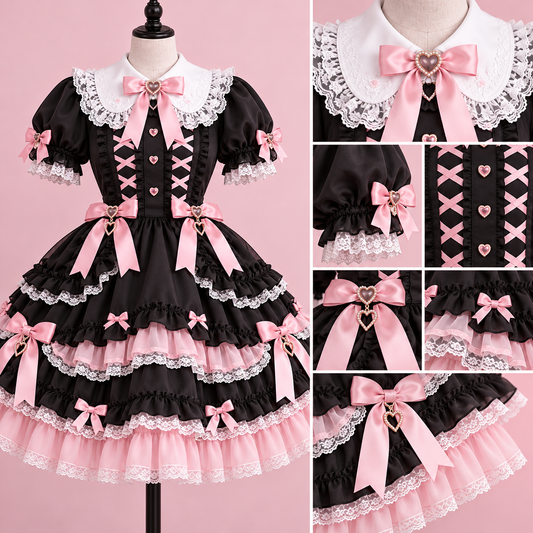
Japanese street fashion • statement silhouettes • a world of detail
Lolita dresses turn a silhouette into a whole atmosphere. Full skirts, decorative bodices, considered layers, and expressive prints invite you to build an outfit with the care of a composition. Sweet, Gothic, Classic, Punk, and other interpretations each create a different mood, while the dress remains the anchor that brings every element together.
Explore the character of Lolita dresses: the shape of a skirt, the balance between blouse and bodice, the way lace catches light, and the small accessories that make a coordinate feel complete. This page looks at the garment from every angle so you can find the colors, cuts, and styling ideas that speak to your own version of the fashion.
The Dress at the Center of the Coordinate
Lolita fashion is a Japanese street-fashion movement recognized for a carefully composed, modest silhouette and a love of decorative detail. In a Lolita coordinate, the dress often sets the visual direction before anything else. Its color, print, neckline, sleeve shape, waistline, and skirt volume establish the palette and proportions that the rest of the outfit will follow.
A Lolita dress is not simply a dress with extra frills. The construction and styling work together: a defined bodice balances a full skirt, a collar or neckline frames the face, and trim details guide the eye around the garment. The overall shape is often supported by layers beneath the skirt, creating a rounded or A-line outline. The style favors intentional coverage and ornament, allowing fabric, silhouette, and coordination to carry the expression.
The word “coordinate,” often shortened to “coord,” describes the complete outfit rather than the dress alone. A blouse, petticoat, headwear, legwear, shoes, bag, jewelry, and outer layer can all contribute. They do not need to be identical or matched as a set. Instead, a successful coord makes the parts feel connected through color, shape, texture, theme, or mood.
For some wearers, the dress is the starting point and the accessories follow. Others begin with a specific theme, a favorite color, a pair of shoes, or a headpiece, then select a dress that supports it. Both approaches work. The useful question is what you want the complete outfit to communicate: softness, drama, elegance, playfulness, nostalgia, or a blend that does not fit one label.
A simple way to start
Choose the dress first, notice its strongest color and shape, and repeat one of those details in your blouse, legwear, headpiece, or shoes. Keep one element quiet so the focal details have room to stand out.
One-Piece, Jumper Skirt, or Skirt Coordinate?
Different garment formats change how a Lolita dress works in a wardrobe. A one-piece dress, commonly called an OP, includes sleeves and can be worn as a more self-contained garment. Its collar, cuffs, bodice, and skirt arrive as one visual design, so the wearer may need only a few accessories and perhaps a light layer to complete the look. An OP can be useful when the dress itself has a strong theme and you want its details to remain visible.
A jumper skirt, or JSK, is sleeveless and is usually styled over a blouse. This makes it especially flexible: a single JSK can look different with a high-neck blouse, a short-sleeved blouse, a cardigan, or an outer layer. The blouse introduces another chance to balance color and texture. A simple blouse lets a printed JSK take focus; a detailed blouse adds more decoration beneath a plainer bodice.
A Lolita skirt can be the center of a coordinate when paired with a blouse and layers that establish the same silhouette. This format allows more experimentation with sleeves, collars, knitwear, and jackets. It can also make it easier to adjust the outfit for a season or occasion. The key is preserving a coherent shape and making sure the skirt’s waist and volume sit comfortably with the rest of the layers.
Each format has its own rhythm. An OP may feel complete and polished with minimal styling; a JSK invites contrast through the blouse beneath it; a skirt coordinate allows more mix-and-match choices. There is no universally best option. Consider how you like to get dressed, how often you want to restyle a piece, and which silhouette feels most natural to wear.
Lolita Dress Styles and Their Moods
Substyle names are useful for finding inspiration, but they are not strict rules. A dress can borrow the color of one style, the print of another, and accessories from a third. Let the descriptions below act as a mood board for reading a garment’s details and shaping the coordinate around it.
Sweet Lolita Dresses
Pastel shades, soft florals, bows, lace, and playful motifs create a romantic or storybook mood. Sweet Lolita dresses can be delicate and airy or richly decorated with color and print. A simpler blouse and carefully repeated accessories help the dress remain the focal point.
Gothic Lolita Dresses
Black, wine, navy, and jewel tones set a more dramatic atmosphere. Lace, roses, crosses, antique-inspired trim, and high-contrast details can add depth. Gothic Lolita dresses may feel theatrical or restrained depending on how much decoration, color, and jewelry you bring into the coord.
Classic Lolita Dresses
Muted florals, warm neutrals, burgundy, navy, and antique-inspired prints create a balanced, vintage-influenced feel. A Classic Lolita dress often benefits from measured accessories and a blouse that supports rather than competes with its shape.
Punk Lolita Dresses
Tartan, darker palettes, layered textures, and sharper accessories bring a rebellious edge to the full skirt silhouette. Contrast is part of the appeal: structured volume can sit alongside distressed or graphic details while the overall coordinate remains deliberate.
Country Lolita Dresses
Gingham, fruit and floral prints, natural textures, and lighter accessories suggest a pastoral mood. A basket-inspired bag or simple hat can reinforce the theme, while calmer layers give a busy print room to breathe.
Wa Lolita Dresses
Japanese-inspired motifs and kimono-like elements are combined with a Lolita silhouette. Attention to the textile references and the way traditional details are adapted helps create a thoughtful coordinate with a distinct point of view.
Sailor Lolita Dresses
Sailor collars, stripes, crisp contrast trim, and nautical motifs create a playful or classic direction. The mood can shift from casual to polished through the choice of blouse, shoes, headwear, and print scale.
Old-School References
Earlier Lolita styling often used simpler prints and a less elaborate finish than some contemporary coordinates. The reference shows how silhouette, blouse shape, and a few chosen accessories can be enough to make a dress feel unmistakably Lolita.
Substyles can be mixed without losing their meaning. A Gothic Lolita dress can take a softer accessory; a Classic print can be sharpened with darker shoes; a sweet color story can be paired with a more understated blouse. When trying combinations, repeat one color or motif so the pieces feel in conversation. The aim is not to erase the substyle, but to make the coordinate personal.

Silhouette, Volume, and the Shape Beneath the Dress
Silhouette is one of the first things people notice about a Lolita dress. The relationship between bodice, waist, and skirt creates the outline, while layers underneath can provide lift and shape. Some dresses are designed for a fuller bell shape; others look best with a softer A-line. The skirt should move comfortably and suit the construction of the garment rather than being forced into a shape that feels awkward.
A petticoat is a common foundation for adding volume, but the size and shape matter. Too little support may leave a skirt looking flat if it was designed for more fullness; too much can distort the hem or make the outfit uncomfortable. A petticoat should sit securely and remain hidden beneath the dress. When choosing one, consider the skirt’s length, width, and construction, along with how much volume you personally like.
Bloomers or another comfortable base layer may add coverage and ease of movement under a full skirt. The exact underlayers vary by wearer and outfit. What matters is that the pieces sit comfortably, do not show unintentionally, and let you move through the day without needing to adjust them constantly.
Waist placement can change the entire mood of a dress. A defined waist emphasizes the skirt’s shape, while a higher waist can create a softer, more elongated line. Bodice details such as seams, buttons, shirring, bows, and panels influence how the eye moves across the garment. Looking at these features helps you understand how a dress will coordinate with a blouse and accessories before assembling a full outfit.
Proportion also involves the wearer, not just the dress. A neckline, sleeve length, skirt volume, and hem placement can look different depending on how the garment sits on an individual body. When shopping online, check the garment’s measurements and compare them with clothes you already own. A size label alone cannot show how a waist, shoulder, or skirt length will fit you.
Fabric, Trim, and Print: The Details You Notice Up Close
Lolita dresses often combine several visual surfaces. Smooth fabric may sit beside lace; crisp cotton may be paired with satin-like trim; a printed skirt may be framed by a solid bodice. These changes in texture give the dress depth, especially when the palette stays focused. Look at how each material reflects light, how the trim follows the seams, and whether the decorations support the shape of the garment.
Lace can outline a collar, sleeve, hem, or panel. Bows draw attention to a waist, neckline, or hair accessory. Buttons and pintucks add fine detail to the bodice. Ruffles create movement at the skirt edge. When these features are arranged with intention, they guide the eye around the dress instead of making every area compete at once.
Prints can become the emotional center of a Lolita dress. Florals may feel botanical, antique, or romantic; sweets and fruit bring a playful note; animals or storybook motifs suggest a narrative; abstract patterns can make the garment feel unusual and graphic. The scale of the print matters. A large repeat becomes a strong statement, while a smaller print may create texture from a distance and detail up close.
Check the placement of a print as well as its subject. A motif repeated across the skirt can feel rhythmic; a border print gives the hem a visual frame; a centered motif may make the bodice or skirt panel the focal point. These details help explain why two dresses with similar colors can create very different impressions.
Trim and print influence how you build the rest of the coordinate. If the dress already contains several colors, pick one or two to repeat in the blouse, legwear, and headwear. If the print is subtle, accessories can add a stronger accent. Either way, let the dress remain readable as a garment rather than covering its details with too many competing layers.
Color Stories for Lolita Dresses
A palette gives a coordinate cohesion. Begin with the dress’s dominant color, identify one supporting shade, then decide whether a small accent will help. Sweet Lolita may pair rose pink with cream, mint with white, or lavender with a soft neutral. Gothic Lolita often uses black with wine, deep red, navy, or antique metallics. Classic Lolita can draw from warm browns, muted greens, ivory, and subdued florals.
Color does not need to match exactly from one piece to another. Slight differences in tone can make an outfit feel layered and natural. A warm ivory blouse can sit comfortably with a cream print; a deep burgundy accessory can echo a smaller detail in a black dress. Repeating the same exact shade everywhere may flatten the look, while related shades create depth.
Contrast can be used deliberately. A dark dress with a pale collar brings attention to the neckline; a bright bow can punctuate a soft palette; a black shoe can ground a pastel skirt. Consider where you want the eye to land. The most vivid detail can sit near the face, at the waist, or along the hem, depending on how you want the silhouette to read.

How to Style a Lolita Dress
Start with the dress and decide what should lead. If the print is elaborate, let it remain visible and keep the blouse or cardigan quieter. If the dress is a solid color, use lace, jewelry, headwear, or patterned legwear to add detail. If the bodice has a strong neckline or sleeve design, choose accessories that frame it rather than cover it.
Choose the blouse according to both construction and mood. A high-neck blouse can make a coord feel more formal; a rounded collar may add softness; a crisp cuff can make the sleeve line more pronounced. Sleeve length should work under the dress straps and outer layer. Avoid bulky layers that bunch beneath a fitted bodice or alter the intended shape.
Plan the head-to-toe outline. Headwear can balance the skirt’s volume, while legwear and shoes finish the line below the hem. A bonnet or larger headpiece creates a more dramatic upper silhouette; a small bow or headband keeps things light. Knee socks, tights, or patterned stockings can repeat a color from the dress, and shoes can either blend into the palette or create a deliberate contrast.
A bag should be practical without taking over the composition. Choose a size that fits what you need for the day and a shape that works with the skirt. Structured bags often complement a polished coordinate; smaller bags can preserve the outline; themed accessories can reinforce the story when used with restraint.
Outerwear needs a little planning because it can cover the details that make a dress special. A cardigan is an easy layer for showing the collar, cuffs, and skirt. A coat should allow room for the dress and any underlayers. If the weather is cold, choose a silhouette that accommodates the skirt rather than compressing it, and keep a visible detail such as the collar or headpiece to carry the coordinate’s identity.
Three Coordinate Directions Built Around One Dress
Soft and Romantic
Pair a floral or pastel dress with a complementary blouse, delicate headwear, and legwear that echoes one shade in the print. Let one charming accessory carry the theme, then keep the remaining details simple enough for the dress to stay central.
Dark and Theatrical
Use a black or jewel-tone dress with a high-neck blouse, patterned tights, dark shoes, and a restrained metallic accent. If the dress already has lace or ornate trim, use fewer additional decorations so the silhouette remains clear.
Classic and Balanced
Build around a muted floral or solid dress, then choose a blouse and shoes in warm neutrals. A small headpiece, structured bag, and subtle jewelry add polish without making the coordinate feel overly formal or crowded.
Make the Coordinate Work for Your Day
A Lolita dress can be styled for an event, a meetup, a convention, a photo session, or a day when dressing with care is the whole point. Consider the setting and the amount of walking before choosing footwear and layers. A full coordinate may be ideal for a gathering, while a simpler version can make the dress easier to wear during an ordinary day.
Comfort is part of a successful outfit. Sit down, walk, and move your arms before leaving. Check that the blouse does not pull at the shoulders, the waist feels comfortable, and the skirt moves as intended. If shoes are new, consider whether you can wear them for the full length of your plans. Adjusting one layer can preserve the look while making the day easier.
Seasonal styling offers new ways to wear the same dress. Lighter blouses and breathable layers may suit warm weather; cardigans, coats, tights, and scarves can extend a coordinate into cooler seasons. Keep the dress’s main color or print visible through the layers. A collar, cuff, hem, or headpiece can provide a visual connection even when outerwear covers part of the outfit.
If you are new to Lolita fashion, start with a dress or skirt that you genuinely like rather than trying to purchase an entire set immediately. Notice what the garment needs to create its intended silhouette, then add compatible pieces at a pace that works for you. Rewearing items is normal. Changing the blouse, headwear, legwear, or accessories lets the same dress support different moods.
When shopping for a Lolita dress online, read the listed garment measurements and compare them with a similar piece you own. Consider the intended waist position, shoulder width, sleeve length, and skirt length. Size names vary between brands, so measurements are more useful than relying on a label alone. Review the product’s materials and care instructions before deciding how it fits your wardrobe needs.

Care for the Details That Make a Dress Special
Lolita dresses often include decorative trims, printed fabric, buttons, bows, lace, and structured layers. Care depends on the specific materials and construction, so follow the garment’s care label rather than assuming every dress can be handled the same way. Check for detachable accessories and delicate sections before washing or storing the dress.
Hang or store a dress in a way that supports its weight and preserves the bodice and skirt. Avoid crushing bows or headpieces beneath heavier items. Keep accessories separated so clasps and jewelry do not catch on lace or fine fabric. For travel, pack the dress with enough room to protect its details, and keep small accessories in a separate pouch.
After wearing, check the garment for snags, loose threads, or marks before returning it to storage. Address small issues gently and use care suited to the fabric. These habits help the dress remain ready for future coordinates and make it easier to rewear a favorite garment in a new way.
A Dress Can Hold More Than One Story
Lolita dresses carry a distinct shape, but their meaning is not fixed. A pink floral dress can feel sweet with matching accessories, more classic with muted layers, or unexpectedly modern with a simple cardigan and a different shoe. A black dress can move between Gothic drama and restrained elegance depending on its blouse, headwear, and jewelry.
This flexibility is part of the appeal. Lolita fashion rewards attention to detail, but it does not require every coordinate to look identical. Your preferences can change over time. You may begin with a print that catches your eye, become interested in silhouette, and later discover that accessories or color stories are what make dressing most enjoyable.
Approach each dress as a starting point. Learn the visual language, experiment with the layers, and choose pieces that feel comfortable to wear. Whether the look is romantic, dramatic, understated, or full of decoration, the complete outfit can be both carefully composed and unmistakably personal.
Find your silhouette • compose your coordinate
Make Every Entrance Your Own
Choose the dress that draws you in, then build its world with color, layers, texture, and details that feel personal. Explore Lolita dresses across sweet, Gothic, Classic, Punk, and other moods, and let the finished coordinate tell a story only you could put together.
