
-
Swan Lake Lolita Cameo Necklace
Regular price 25$ USDRegular priceUnit price per -
Strawberry Picnic Lolita Wrist Cuffs
Regular price 20$ USDRegular priceUnit price per -
Rose Cathedral Gothic Lolita Capelet
Regular price 50$ USDRegular priceUnit price per -
Sakura Rain Lolita Parasol
Regular price 35$ USDRegular priceUnit price per -
Sugar Lace Lolita Knee Socks
Regular price 19$ USDRegular priceUnit price per -
Love Letter Heart Lolita Shoulder Bag
Regular price 40$ USDRegular priceUnit price per -
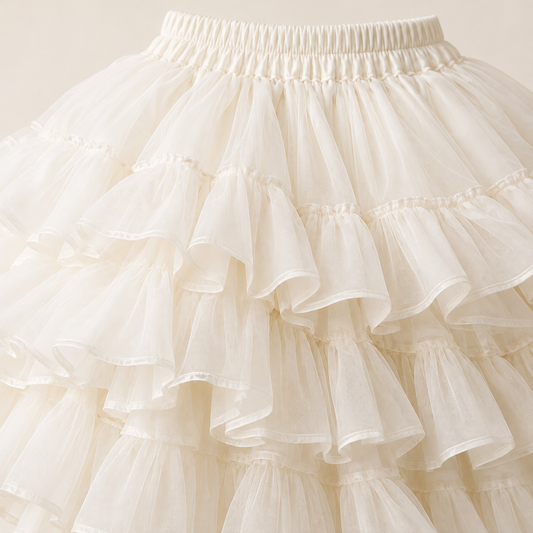
Cloudline Ivory Lolita Petticoat
Regular price 35$ USDRegular priceUnit price per -
Burgundy Bow Gothic Lolita Blouse
Regular price 43$ USDRegular priceUnit price per -
Rose Petal Lolita Underdress Set
Regular price 40$ USDRegular priceUnit price per -
Midnight Rose Lolita Bonnet
Regular price 37$ USDRegular priceUnit price per -
Rosewater Cameo Lolita Headband
Regular price 30$ USDRegular priceUnit price per -
Moonlit Observatory Lolita Skirt
Regular price 45$ USDRegular priceUnit price per -
Midnight Ribbon Lolita Mary Jane Platforms
Regular price 50$ USDRegular priceUnit price per -
Rose Tea Party Lolita Jumper Skirt
Regular price 60$ USDRegular priceUnit price per -
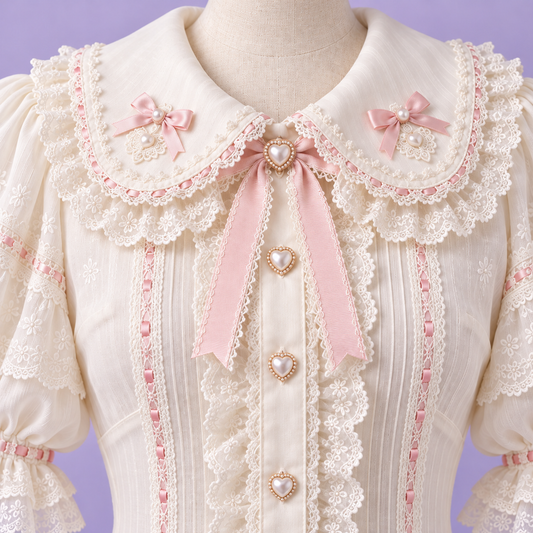
Blush Ribbon Harajuku Lace Blouse
Regular price 43$ USDRegular priceUnit price per -
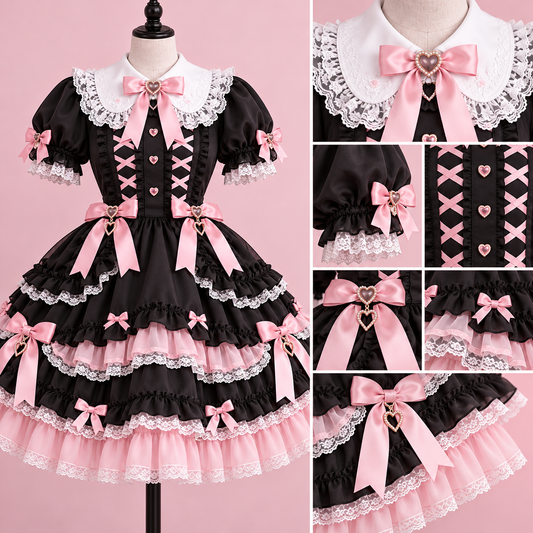
Black Pink Harajuku Ruffle Dress
Regular price 60$ USDRegular priceUnit price per





Japanese street fashion • romantic silhouettes • personal expression
Lolita fashion turns getting dressed into a world of its own. A full skirt, carefully chosen layers, detailed accessories, and a coordinated palette transform an outfit into a complete visual story. The style can feel sweet, Gothic, classic, punk, theatrical, or quietly elegant, but its center is the same: dressing with intention and making room for imagination.
Explore the many moods of Japanese Lolita fashion, from the soft color and ornate prints of Sweet Lolita to the dramatic lace and dark romance of Gothic Lolita. This collection page celebrates the silhouettes, substyles, and styling choices that make Lolita clothing instantly recognizable while leaving space for every wearer to create a personal interpretation.
A Silhouette With a Story
Lolita fashion is a Japanese street-fashion movement known for its carefully coordinated, modest silhouette and its references to historical European dress, illustrated fantasy, and decorative arts. A typical coordinate may bring together a blouse, a one-piece dress or jumper skirt, a full skirt shaped with layers beneath, legwear, shoes, and headwear. Each part contributes to the overall composition. The result is not simply a dress with ruffles; it is a complete look in which proportion, color, fabric, and small details work together.
The bell-shaped or gently A-line skirt is one of the most recognizable features. A petticoat or other skirt support can give it volume, while a blouse or cardigan balances the shape above. Lace, pintucks, bows, buttons, collars, cuffs, and carefully placed prints draw the eye without making every surface compete. Many Lolita outfits are modest in coverage, with styling focused on decorative construction and an expressive outline rather than revealing cuts.
Coordination, often called a “coordinate” or “coord,” is an important idea in Lolita communities. It describes the outfit as a whole: dress, blouse, headpiece, legwear, shoes, bag, jewelry, and sometimes makeup or a themed accessory. The pieces do not all need to match exactly. They should feel connected through a shared color, motif, mood, or period-inspired reference.
The word “Lolita” in this fashion context names a Japanese clothing subculture. The style is distinct from sexualized uses of the word elsewhere. Its recognizable fashion language centers on modest dress, elaborate coordination, and self-expression. Understanding that context helps people approach the style with clarity and respect rather than mistaking its name for its meaning.
The foundation of a coordinate
Begin with one focal garment or print. Choose a color story, build the silhouette around it, then add accessories that repeat a detail without overwhelming the whole outfit. A clear point of view makes even an elaborate coordinate feel composed.
From Harajuku Street Style to a Global Fashion Community
Lolita fashion grew through Japanese street-fashion communities, particularly the creative scenes associated with Harajuku and Tokyo. Its visual vocabulary developed through magazines, independent labels, music, boutiques, photography, and the everyday practice of people sharing and refining outfits. Rather than following a single runway, the style grew through a community of wearers who built a look, documented it, and inspired one another.
Historical references are part of the appeal, but Lolita is not a historical reenactment. Victorian and Rococo details, children’s book illustrations, antique textiles, and romantic architecture all appear as sources of inspiration, reinterpreted through modern Japanese fashion. The result blends familiar cues such as lace, high collars, bows, and full skirts with current styling choices, contemporary materials, and distinctly personal themes.
Over time, Lolita fashion expanded into a range of related styles. Sweet Lolita made room for pastel palettes, playful prints, and a bright, whimsical mood. Gothic Lolita explored black, wine, and jewel tones, bringing lace and dramatic shapes into a darker register. Classic Lolita moved toward subdued color, floral motifs, and balanced elegance. Punk, country, sailor, and Japanese-inspired coordinates added further possibilities.
Names and boundaries have changed as the community has grown. A style label is useful for finding inspiration, but it cannot contain every coordinate. Wearers may combine elements from different substyles, move between them, or develop a look that has no single name. The idea is not to pass a test of authenticity. It is to understand the visual language well enough to make thoughtful choices.
Today, people around the world participate in Lolita fashion through local meetups, online communities, events, photography, secondhand clothing, sewing, and personal wardrobes. The distance between those scenes does not remove the style from its Japanese roots. Learning about its origins while making room for contemporary voices is part of engaging with the fashion respectfully.
Choose the Mood: Lolita Substyles
Each substyle offers a different atmosphere. Think of these descriptions as a starting palette rather than strict rules. A coordinate can borrow details from several directions and still feel coherent when its silhouette and color story hold together.
Sweet Lolita
Pastel pink, cream, mint, lavender, and sky blue often set the tone. Bows, lace, heart or confectionery motifs, playful prints, and rounded accessories add a storybook feeling. The look can be delicate or vivid, polished or intentionally abundant.
Gothic Lolita
Black, wine, navy, and jewel tones create a more dramatic palette. Lace, crosses, roses, antique-style jewelry, high collars, and richly layered skirts can contribute to the mood. A dark coordinate can feel romantic, theatrical, or restrained.
Classic Lolita
Muted florals, brown, cream, burgundy, navy, and other softened colors create an elegant, balanced appearance. The prints may be smaller, the decoration more measured, and the overall impression closer to vintage-inspired refinement.
Punk Lolita
Tartan, darker colors, layered textures, and sharper accessories bring a rebellious edge to the full-skirt silhouette. The contrast between structured volume and punk details is the key; the coordinate can be expressive without losing its balance.
Country Lolita
Gingham, fruit or floral motifs, straw-inspired accessories, and lighter colors evoke a pastoral mood. Natural textures and smaller-scale patterns keep the coordinate relaxed while retaining its distinctive shape.
Wa Lolita
Japanese-inspired textiles and kimono-like elements are combined with the Lolita silhouette. Motifs, sleeve shapes, obi-inspired details, and layering create a meeting point between references, handled best with attention to the garments’ cultural context.
Sailor Lolita
Sailor collars, stripes, anchor motifs, and crisp contrast details bring a nautical influence to the silhouette. Coordinates may feel playful or classic depending on the palette, print, and accessories.
Old-School Lolita
A reference to earlier eras of the fashion, often using simpler prints, classic accessories, and a less elaborate finish than some contemporary coordinates. It shows how small changes in proportion and decoration can make the same silhouette feel different.
Substyles are not separate wardrobes that must be purchased all at once. One skirt can read sweet with pastel accessories, classic with muted florals, or darker with a black blouse and antique-style jewelry. Exploring these shifts is one of the pleasures of Lolita styling: you can refine the mood through details instead of replacing the whole coordinate.

The Pieces That Shape a Lolita Coordinate
The main dress usually establishes the print, palette, and silhouette. A one-piece dress includes its own sleeves and can make a coordinate feel complete with fewer separate layers. A jumper skirt is sleeveless and designed to be worn over a blouse, which makes it especially flexible across seasons and moods. A skirt can become the center of a coordinate when paired with a blouse, cardigan, or jacket that supports its shape.
Blouses frame the neckline and sleeves. Peter Pan collars, stand collars, lace trim, pintucks, cuffs, and small buttons each create a different impression. A simple blouse lets a printed dress take the lead; a detailed blouse can add dimension beneath a more restrained jumper skirt. The goal is visual balance, not decoration on every edge.
Volume beneath the skirt can help create the classic rounded outline, but the right amount depends on the garment and the wearer’s comfort. A petticoat should support the skirt rather than force it into an awkward shape. Some coordinates call for a softer A-line, while others benefit from more fullness. The silhouette should move naturally when walking and sitting.
Legwear and shoes finish the line from hem to ground. Tights or socks can repeat the coordinate’s colors, motifs, or level of formality. Mary Jane-inspired shoes, lace-up styles, boots, and other structured footwear each change the mood. When a print is busy, solid legwear can provide a visual pause; when the outfit is simple, patterned socks can bring a small point of interest.
Headwear is often the detail that makes a coordinate feel complete. A bow, headdress, bonnet, headband, hat, or smaller hair accessory can echo the dress’s print or trim. Scale matters: a substantial headpiece may balance a full skirt, while a small accessory can keep an already elaborate outfit from feeling crowded.
Bags, jewelry, and outer layers add personality and practicality. A compact bag can preserve the silhouette; a cardigan changes the mood and adds warmth; jewelry can introduce a subtle metallic note. These choices help the coordinate move from an indoor photo to a full day out while keeping the style intact.
Build a Color Story Before You Add Accessories
Start with the main garment’s colors. Select one dominant shade, one supporting neutral or secondary color, and a small accent if the print allows it. This simple structure gives the eye a route through the outfit. Sweet Lolita might pair pink with cream and a touch of brown; Gothic Lolita could combine black with wine and antique gold; Classic Lolita may use muted floral tones with a warm neutral.
Prints deserve breathing room. A dress covered in detailed motifs can be paired with quieter layers so its design remains visible. If you want to mix prints, consider their scale and repeat one color between them. A small check and a larger floral may work together when the colors connect; two high-contrast prints of equal scale may compete for attention.
Texture provides another way to create depth. Matte cotton, smooth satin, lace, knitwear, velvet-like surfaces, and crisp woven fabric reflect light differently. A coordinate can feel rich even with a narrow palette when the textures vary. Keep delicate fabrics away from rough fasteners and sharp jewelry, and choose layers that will not catch or pull as you move.
Accessories should support the main story. Repeat a bow shape, flower, metallic tone, or accent color in two or three places, then stop before every item becomes a direct match. Coordinated does not have to mean identical. Small variations make the outfit feel assembled by a person rather than copied from a display.

Create a Coordinate That Feels Like You
Choose the mood before choosing every item. A storybook print, a dark rose motif, a tartan accent, or a palette of antique neutrals can give the outfit a clear direction. Ask what you want the coordinate to feel like: delicate, mysterious, playful, elegant, theatrical, or quietly unusual. That intention helps you select details without turning the process into a checklist.
Build from the main piece outward. Select the dress or skirt, then choose a blouse or layer that complements its neckline and sleeve shape. Consider the silhouette from head to toe. If the skirt carries strong volume, a neatly fitted upper layer can create balance. If the top has dramatic sleeves or a high collar, a simpler headpiece may leave the shape room to breathe.
After the clothing is in place, repeat the palette in the smaller pieces. Legwear can echo a color in the print; shoes can anchor a dark coordinate; a bag can introduce a small accent; headwear can frame the face. Step back and look at the whole composition. If the eye has too many places to land, remove or quiet one detail. If the look feels unfinished, add a single element that repeats a color, shape, or theme.
Personal comfort is part of the design. Make sure the skirt allows you to move, the blouse sits comfortably, and shoes suit the day’s plans. The most elaborate coordinate still needs to function in real life. A garment that needs constant adjustment can distract from the look you worked to create.
There is no requirement to begin with a complete head-to-toe wardrobe. Start with one piece that draws you in, then learn how it changes with different blouses, accessories, and layers. Repeating favorite pieces is normal. Changing the supporting details lets the same item move between substyles and keeps a small wardrobe creative.
Personalize the Details: Hair, Makeup, and Accessories
Hair and makeup can complement a Lolita coordinate, but neither has one required form. Soft curls, sleek hair, braids, short cuts, natural texture, dramatic color, or a simple accessory can all work when they connect to the outfit’s mood. The style does not depend on a particular hair length, face shape, skin tone, or beauty routine.
Makeup can be subtle or more theatrical. A clean complexion and a softly defined eye may suit a Classic coordinate; rosy color can reinforce a sweet palette; a deeper lip or sharper liner can align with Gothic styling. Treat these choices as styling tools. You can emphasize one feature and keep the rest understated, or let makeup become the strongest detail in the whole look.
Accessories are a useful way to explore a new substyle without changing the main garment. A small bow or floral clip softens a simple dress. A dark choker or antique-style brooch can shift it toward Gothic. A tartan accessory adds a punk note. A straw-inspired hat or basket-shaped bag can suggest a Country mood. The garment remains the same; the surrounding details tell a new story.
When choosing accessories, think about scale and placement. A large headpiece draws attention upward and can balance a fuller skirt. A bag worn at the waist may interrupt the silhouette, while a smaller shoulder bag can keep its line clear. Jewelry should not snag lace or delicate trim. Details look best when they are comfortable enough to wear naturally.

Wear Lolita Fashion Beyond a Photograph
A coordinate has to work when you walk, sit, travel, and move through a day. Check the hem and layers before leaving, make sure shoes feel stable, and carry essentials in a bag that suits the silhouette. If you plan to be outdoors, consider the weather and the setting. A cardigan, coat, or warm legwear can be incorporated without flattening the outfit’s shape.
Seasonal dressing gives the same pieces new life. In warmer weather, lighter blouses and breathable layers can keep a coordinate comfortable. Cooler days invite cardigans, coats, tights, scarves, and richer textures. Choose layers that fit over the skirt without compressing it, and keep the color story visible around the collar, cuffs, and hem.
Different settings call for different levels of detail. A full coordinate can be perfect for a meetup, convention, tea gathering, photo session, or special day. A quieter everyday version might use one Lolita-inspired garment with a simpler blouse and more understated accessories. Neither approach is more legitimate. The wardrobe can change with the occasion and with the wearer’s energy.
Communities and events can also shape how people approach the fashion. Some wearers enjoy photographing coordinates, sewing custom pieces, collecting vintage references, or attending meetups. Others enjoy the clothes privately as part of everyday self-expression. There is no single way to participate. Respectful curiosity and consideration for other people’s boundaries make shared spaces more welcoming.
Care for Detailed Garments and Accessories
Lolita clothing often includes layers, lace, bows, buttons, prints, and other details that benefit from thoughtful care. Follow each garment’s care label first, since fabrics and construction vary. Before washing or storing an item, check for detachable accessories, delicate trims, and embellishments that may need separate handling.
Store skirts so that their shape is not crushed, and keep headpieces in a place where their structure can hold. Separate jewelry and small accessories to prevent tangles or snags. When packing a coordinate for travel, fold or roll pieces according to their fabric and structure, and bring a small repair kit if you will be away for the day.
Care also includes wearing items in a way that suits their construction. Avoid forcing layers together if they pull at seams, and check that accessories do not rub against delicate lace or printed surfaces. Small habits help garments stay ready for repeated coordinates, which is useful because returning to a favorite piece is part of building a personal style.
A Fashion Language for Imagination and Self-Definition
Lolita fashion invites people to treat clothing as a complete form of expression. A coordinate can carry nostalgia, fantasy, elegance, darkness, humor, or a little of everything. It can use historical references without being bound by the past, and it can be highly decorative without asking the wearer to follow one fixed image of femininity.
The style’s most enduring quality is its attention to choice. Every color, layer, print, and accessory is an opportunity to shape the story. Some people are drawn to the softness of Sweet Lolita; others find their home in Gothic, Classic, Punk, or mixed coordinates. Many move between them as their interests change. A wardrobe becomes personal through these repeated decisions.
Whether you are discovering Japanese Lolita fashion for the first time or refining a coordinate you have been building for years, let curiosity lead. Notice the silhouettes that appeal to you, learn the vocabulary that helps you describe them, and experiment at a pace that feels comfortable. The finished look does not need to be perfect. It needs to feel considered, expressive, and yours.
Choose your mood • compose your coordinate
Make Room for Your Own Story
Begin with a silhouette, choose the details that make it personal, and let the whole coordinate become a small act of imagination. Explore Lolita fashion through the colors and substyles that speak to you, from romantic sweetness to Gothic drama and everything between.
