
-
Hot Pink Plaid Oversized Gyaru Shirt
Regular price 47$ USDRegular priceUnit price per -
Silver Star Chain Gyaru Hair Combs
Regular price 18$ USDRegular priceUnit price per -
Crimson Lace-Up Velvet Gyaru Dress
Regular price 55$ USDRegular priceUnit price per -
Black Lace Flared Sleeve Gyaru Bolero
Regular price 40$ USDRegular priceUnit price per -
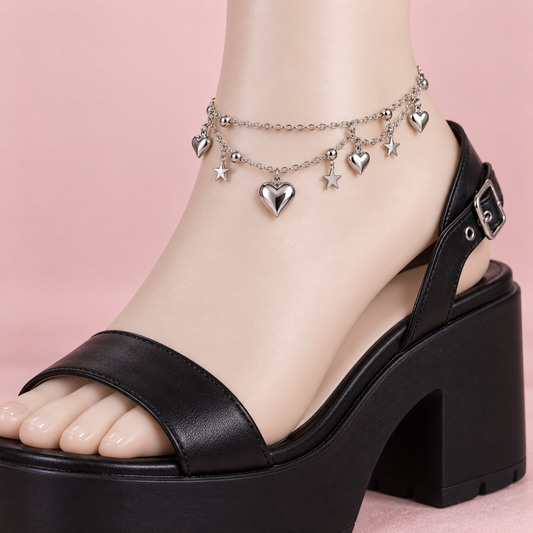
Silver Heart Charm Gyaru Anklet
Regular price 19$ USDRegular priceUnit price per -
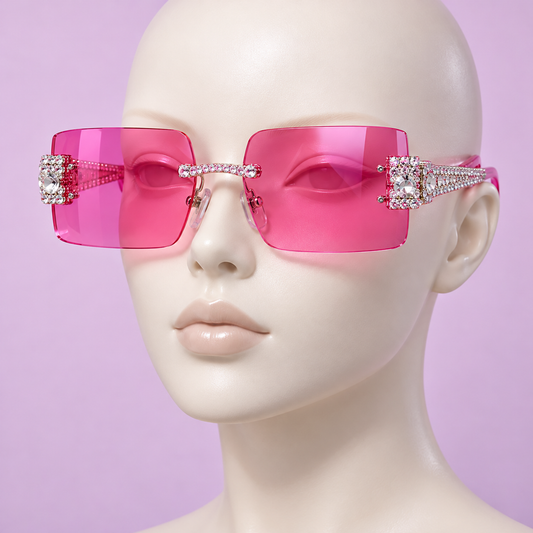
Hot Pink Rhinestone Gyaru Sunglasses
Regular price 25$ USDRegular priceUnit price per -
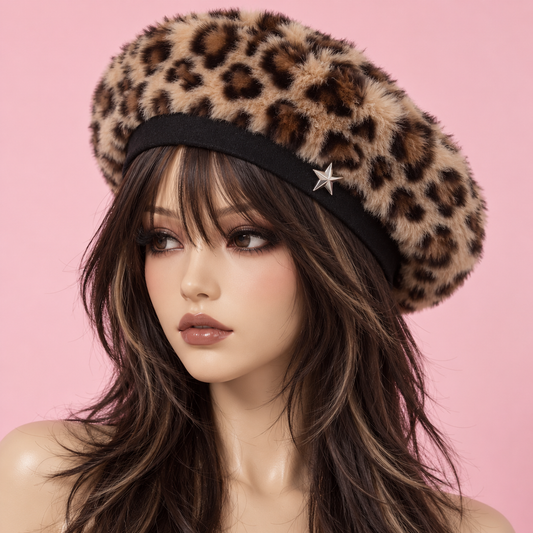
Leopard Faux Fur Gyaru Beret
Regular price 30$ USDRegular priceUnit price per -
Violet Star Chain Gyaru Choker
Regular price 23$ USDRegular priceUnit price per -
Crimson Lace-Up Mesh Arm Warmers
Regular price 20$ USDRegular priceUnit price per -
Pink Rhinestone Cat Ear Headband
Regular price 22$ USDRegular priceUnit price per -
Acid Lime Gyaru Cardigan
Regular price 43$ USDRegular priceUnit price per -
Silver Starburst Gyaru Earrings
Regular price 27$ USDRegular priceUnit price per -
Ivory Faux Fur Gyaru Shrug
Regular price 45$ USDRegular priceUnit price per -
Crimson Velvet Gyaru Bow Clips
Regular price 19$ USDRegular priceUnit price per -
Cherry Gloss Gyaru Shoulder Bag
Regular price 39$ USDRegular priceUnit price per -
Silver Chain Gyaru Waist Belt
Regular price 30$ USDRegular priceUnit price per -
Leopard Plush Gyaru Leg Warmers
Regular price 25$ USDRegular priceUnit price per -
Rokku Platform Combat Boots
Regular price 75$ USDRegular priceUnit price per -
Butterfly Mesh Gyaru Top
Regular price 29$ USDRegular priceUnit price per -
Crimson Plaid Gyaru Skirt
Regular price 33$ USDRegular priceUnit price per -
Crimson Moto Gyaru Jacket
Regular price 65$ USDRegular priceUnit price per






Japanese street fashion • self-expression • no uniform required
Gyaru fashion is made for turning the volume up. It takes the expected rules of beauty and styling, pulls them apart, and rebuilds them with personal taste: a dramatic silhouette, deliberately messy hair, a flash of crimson, a dark eye, a plush texture, a heavy boot. The point is not to blend in perfectly. The point is to make a look that feels like it belongs to you.
This Gyaru collection page brings together the energy of Japanese street fashion and its more alternative edge: expressive layers, rebellious color, tactile details, and the confidence to mix softness with grit. Explore the fashion language, shape your own version of the aesthetic, and let the outfit carry a little attitude.
Gyaru Style With the Edges Left In
Gyaru is a Japanese fashion and beauty movement with a wide, changing vocabulary. It has been sweet, glamorous, loud, polished, dark, playful, and deliberately confrontational. It can lean into dramatic makeup and elaborate hair, or use a single unexpected detail to disrupt an otherwise simple outfit. The alternative side of Gyaru keeps that appetite for self-invention and steers it toward rougher textures, stronger contrasts, and less predictable combinations.
Think of a tailored jacket worn over a striped layer that looks borrowed from a band rehearsal. A long skirt cut through with dark texture. A bright knit under washed charcoal. Hair that is teased, clipped, streaked, or left imperfect on purpose. Metal jewelry catches the light; a platform sole grounds the look. Pieces do not need to match in a conventional way. They need to create tension that feels intentional.
That is what makes alternative Gyaru fashion so flexible. It can be built from clothing you already wear, then sharpened with one expressive choice. It can be dramatic from head to toe, or look almost understated until the makeup, hair, or accessories change the mood. Instead of a strict uniform, Gyaru offers a set of visual tools: volume, contrast, styling, color, and confidence.
The visual code
Start with contrast: soft against sharp, glossy against distressed, oversized against close-fitting, sweet color against a dark base. Keep one detail strange, loud, or beautifully out of place. That friction gives an outfit its pulse.
A Fashion Movement Built on Choosing Yourself
Gyaru took shape through Japanese youth culture, changing magazines, salons, music, and street-style communities. From the 1990s into the early 2000s, Shibuya became strongly associated with the movement and with young people who treated fashion as a visible part of their identity. They styled themselves for their own circles, photographed one another, followed changing looks, and made the city part of the scene.
Gyaru’s history is often described through its most recognizable beauty signals: expressive eyes, elaborate hair, long nails, bronzed or high-contrast makeup, and clothes designed to be noticed. Those signals mattered, but the movement was never only a makeup checklist. It gave people room to play with femininity, glamour, taste, and visibility in ways that did not always fit mainstream expectations.
Its different waves moved in different directions. Some looks were ornate and romantic; others were sharply mature, rock-influenced, brightly colored, or intentionally extreme. Magazines helped circulate names and references, while local scenes gave those references their own life. Personal interpretation mattered as much as the image on a page. Friends mixed influences, adjusted proportions, customized details, and made the look their own.
That spirit carries into alternative Gyaru today. The style does not need to copy one decade or one photograph to feel connected to its roots. A contemporary outfit can use current streetwear shapes, vintage-inspired details, dark makeup, vivid accents, or handmade touches. What links these choices is the decision to be seen on your own terms.
Approaching Gyaru with respect also means recognizing that it has a real cultural history, not treating it as a novelty costume. Learn the names and contexts that interest you, notice how the style has changed, and make room for the people and communities who shaped it. Then build a personal wardrobe that responds to that history rather than pretending there is one authentic formula everyone must reproduce.

Find Your Gyaru Mood
Substyle names can help you find references, but they are not boxes. They overlap, evolve, and mean different things to different people. Use them like a record shelf: take the sound you like, skip what does not fit, and create a mix that feels alive.
Rokku Gyaru
A rock-influenced direction with dark layers, graphic contrast, boots, metallic touches, and a little deliberate disorder. It works especially well when one clean tailored piece sits beside something worn, sheer, or heavily textured.
Agejo Gyaru
A high-impact, glamorous mood known for elaborate styling and confident detail. An alternative take can trade perfect polish for darker color, undone texture, heavier footwear, or one unexpected accent.
Hime Gyaru
Romantic and decorative, with soft color, ornate hair, ribbons, lace, or carefully coordinated accessories. Break up the sweetness with a dark coat, substantial boots, or a sharper graphic detail.
Onee Gyaru
A more mature, polished expression built around confident proportions and considered accessories. Keep the shape sleek, then introduce an alternative edge through distressed texture, an unusual color, or graphic makeup.
Ganguro and Yamanba
Historically bold, high-contrast expressions that pushed against narrow beauty standards through vivid hair and makeup choices. Their visual force is a reminder that Gyaru can make visibility itself part of the statement.
Kogal and Kogyaru References
Uniform-inspired layering became one thread in the broader Gyaru conversation. For an adult wardrobe, borrow the styling language through cardigans, socks, pleats, and loosened layers rather than copying a literal school uniform.
These references can be remixed freely. A dark Rokku base can carry a romantic accessory. A polished Onee silhouette can take on a rougher finish. A playful color story can sit beside heavy boots. The most interesting Gyaru clothes are often the ones that refuse to resolve into one easy label.
Build the Silhouette Before You Add the Noise
A strong outfit begins with shape. Before choosing accessories, decide whether the look should feel broad and oversized, narrow and elongated, layered and soft, or sharply structured. A long outer layer creates movement; a boxy jacket adds weight; a flowing skirt changes the line of chunky footwear. Thinking about proportion first keeps an alternative look expressive instead of crowded.
Pair opposites to create energy. Try a compact jacket over loose trousers, a long skirt with a close-fitting knit, or a soft cardigan beside hard-edged boots. If two pieces have similar volume, use a change in texture or color to separate them. A high-neck layer can frame a jacket; a visible hem can make stacked layers feel intentional rather than accidental.
Texture is a major part of the Gyaru aesthetic. Knit, denim, faux leather, lace, mesh, faux fur, washed cotton, and metallic finishes each catch light differently. You do not need to wear all of them at once. Two contrasting surfaces are often enough: plush against smooth, distressed against tailored, sheer over opaque. These tactile differences give even a mostly black outfit depth.
Color can be equally deliberate. Black and charcoal make a strong base, but alternative Gyaru is not limited to darkness. Crimson brings heat; acid lime or electric violet makes a disruption; silver adds a cold flash; cream can make a dark palette feel more dimensional. Repeat a chosen accent in a small detail or two so it feels connected to the rest of the look.
The Alternative Gyaru Outfit Formula
Use a few deliberate decisions instead of piling on every reference at once. This framework works for Gyaru outfits built around a favorite piece, whether the day calls for a full street-style statement or one rebellious detail.
- Choose a center of gravity. Start with the item that carries the strongest shape or mood: a distressed jacket, a long skirt, dramatic trousers, a vivid knit, or a pair of platform boots.
- Set a color boundary. Pick a base and one accent. Black with crimson, charcoal with acid green, or cream with deep plum all create distinct moods without requiring a complicated palette.
- Add one counterpoint. Balance a romantic detail with something severe, a polished piece with something worn, or a dark outfit with a flash of brightness.
- Build the layers for movement. Walk, sit, and reach in the outfit. Adjust hems, sleeves, and accessories so the look feels lived-in rather than fragile.
- Finish with a personal signature. This might be a hair clip, smoky eye, chain, unusual bag, repeated motif, or color that returns in one small place. It should feel like a choice only you would make.

Hair, Makeup, and the Power of Imperfection
Hair and makeup can transform the same outfit from casual to theatrical. Gyaru styling has often embraced deliberate volume, expressive eye makeup, defined lashes, and a strong finish, but there is no required face or hair type. Work with the features and textures you already have. The aim is not to copy someone else’s face; it is to decide what your version of the look wants to emphasize.
For an alternative mood, contrast a clean base with one graphic element: a dark liner shape, a smudged edge, a metallic highlight, a deep lip, or a vivid color accent. Imperfection can be part of the styling. A little asymmetry or visible texture can feel more personal than a perfectly uniform finish. Keep the rest of the face quieter if the eyes or lips are carrying the drama.
Hair can be teased, layered, clipped up, left deliberately tousled, or given a small streak of contrast. Accessories are an easy entry point: barrettes, headbands, ribbons, or metallic clips can change the mood without a major cut or color commitment. The same principle applies to nails and jewelry. Use them as punctuation, not obligation.
Think of the whole look as a frame. Hair draws attention to the face; makeup shapes the expression; collars, earrings, and scarves influence the space around it. Repeating one material or color can connect these details. A dark eye with a black ribbon and silver earrings feels considered; a crimson streak echoed in one accessory makes the styling read as intentional.

Make the Wardrobe Yours
Alternative fashion gets more interesting when it carries signs of its owner. Customize the way you layer, repeat a motif, mix new pieces with old favorites, or let an accessory become a signature. A garment does not have to look pristine to look deliberate. Wear, texture, and personal combinations can give an outfit character that a perfectly coordinated set cannot.
Start with what is already in your closet. A dark jacket can gain a new attitude over a striped top. A simple skirt can take on a harder silhouette with heavy footwear. A bright layer may be all a black outfit needs. Try different combinations before buying more; the experiment often reveals which proportions, colors, and textures you actually want to wear.
Comfort is not the enemy of a dramatic look. Choose footwear that works for your plans, layers that suit the weather, and accessories that stay secure. If a piece pulls, restricts movement, or makes you self-conscious, adjust the styling. Confidence comes through when you can inhabit the outfit rather than spend the day managing it.
Gyaru is at its strongest when it creates room for choice. A full alternative look can be loud, but it can also be subtle: a sharp eye, one rough texture, a bold shoe, or a vivid accessory against familiar everyday clothes. The styling can change with your mood. You can move between glamorous, grunge, playful, romantic, and severe without asking one version to represent you forever.
A Working Wardrobe for Alternative Gyaru
A wardrobe does not need to be huge to create a lot of Gyaru outfits. A few pieces with different shapes and textures can be combined in new ways whenever your mood changes. Think in layers: a base that feels easy, one outer or statement piece that changes the silhouette, and one finishing detail that gives the outfit its character. This approach keeps the styling flexible and helps each piece work across more than one look.
The base layer
Start with tops that can sit under other clothes without competing for attention: a fine knit, a fitted high-neck shirt, a striped layer, a simple tee, or a blouse with a distinct collar. These pieces create a visual foundation. A visible cuff, neckline, or hem can be enough to make the layer feel intentional. Dark basics give brighter pieces somewhere to land; a pale or vivid base can interrupt an all-black outfit and pull attention toward the face.
The statement layer
Outerwear changes the whole read of an outfit. A boxy jacket adds width and weight; a long coat creates a vertical line; a cropped shape can make a high-waisted silhouette feel sharper. For alternative Gyaru, wear and texture can matter as much as cut. A soft knit beside a structured jacket, or a glossy surface over a washed layer, creates the kind of contrast that makes a simple combination feel styled.
The lower half
Skirts and trousers can carry very different moods. A long pleated skirt brings movement and a strong line; straight-leg or wide trousers make room for heavier footwear and layered hems. When combining several loose pieces, show a clear point of structure somewhere: a defined waist, a visible shirt hem, a compact bag, or a cleaner upper layer. When the lower silhouette is narrow, a wider jacket or dramatic sleeve can bring balance.
Shoes that ground the look
Footwear gives an outfit its stance. Chunky boots make soft layers feel more assertive; platform shoes amplify a dramatic silhouette; a simpler shoe can keep a heavily layered look from feeling too busy. Consider the distance you will walk and the surface conditions as well as the visual effect. A strong outfit should be wearable for the plans you actually have.
Accessories as punctuation
Accessories let you change the mood without rebuilding the whole wardrobe. Chains and silver-tone pieces can add a colder edge; ribbons, clips, or decorative hair pieces can shift the same outfit toward romance; a compact bag may make a broad silhouette feel more deliberate. Choose a focal point, then repeat one element elsewhere. This small echo makes mixed references feel connected.
Four Alternative Gyaru Directions to Make Your Own
Use these as starting points for styling, not as shopping lists or fixed identities. A look can move between them from one day to the next.
After-hours Rokku
Build a dark base from a structured layer and a long or straight silhouette. Let one rough surface, striped underlayer, or metallic detail break up the darkness. Keep the makeup graphic and the hair expressive, then let boots set the pace.
Acid-color disruption
Use charcoal or black as a background for one startling accent: lime, violet, hot red, or another shade you love. Repeat it in a small detail so it feels deliberate. The rest of the outfit can stay simple while the accent does the work.
Softness with a hard edge
Mix a delicate or romantic element with a weightier piece. A soft knit can sit under a severe jacket; a decorative hair accessory can play against heavy shoes. The contrast preserves the sweetness while keeping the look from becoming too predictable.
Everyday street mix
Take familiar clothes and give them a stronger point of view. A graphic layer, an unusual proportion, a deliberate accessory, and a more expressive beauty detail can bring Gyaru energy into a day-to-day outfit without making it feel like a costume.
Color, Pattern, and the Art of Clashing Well
Alternative Gyaru color does not have to stay inside a neat palette. Black is useful because it gives the eye somewhere to rest, but the most memorable looks often introduce a color that seems to interrupt it. Crimson can make an outfit feel urgent; acid green feels deliberately strange; violet shifts the mood toward theatrical; silver brings a flash of reflection. Even a small accent can change the whole story.
Pattern works in the same way. Stripes, animal print, checks, graphic motifs, and distressed surfaces can compete for attention, but they do not all need to be loud. Pair one high-energy print with calmer pieces, or repeat a small pattern in two places to make it read as a choice. If you want a more chaotic, collage-like feeling, vary the scale: a thin stripe beside a broad texture is easier to read than two equally dominant prints.
When a combination looks slightly wrong in the mirror, try changing one variable rather than abandoning it. Remove a layer, repeat a color, switch the shoe, or make the accessories quieter. Styling is a series of edits. The aim is not perfect coordination; it is a tension you can understand and enjoy wearing.

DIY Details, Rewearing, and Personal Codes
Gyaru styling becomes more personal when it reflects the way you collect, alter, and rewear clothes. A familiar jacket can feel new with different layers beneath it. A small accessory can become a signature through repetition. A piece that carries a memory, a favorite band, a color you return to, or a handmade detail can say more than a completely coordinated outfit.
If you customize garments, keep the changes thoughtful and safe for the material. Add removable charms, pins, ribbons, patches, or contrast laces where they will not interfere with movement. Before cutting or altering a garment, check its fabric and construction and make a plan for the finish. Small reversible changes are a good way to test an idea before committing to it.
When caring for expressive layers, follow the garment’s care label, especially for delicate knits, embellished details, printed fabrics, and structured pieces. Store accessories so that chains do not tangle and decorative pieces do not snag softer clothing. These simple habits make it easier to keep building outfits around the things you already love.
Rewearing the same piece is part of having a recognizable style. Change the supporting layers, shift the palette, or move the focal point from hair to footwear. A jacket can anchor a dark look one day and add contrast to a softer outfit the next. Repetition gives your wardrobe a point of view; it does not make the styling less creative.
Beauty Without a Single Template
Gyaru makeup and hair are often described through bold examples, but they do not impose one standard for skin, features, hair texture, age, or gender expression. The movement’s most useful lesson is the permission to shape your own presentation. You can take inspiration from dramatic eyes, vivid hair, or elaborate nails while keeping every other part of the look close to your own habits.
Consider where you want the eye to land. A graphic liner can become the focus; a deep lip can make a quiet outfit feel more theatrical; a hair clip can bring attention to a particular shape around the face. If you prefer minimal makeup, let clothing and accessories carry the contrast. If beauty styling is your favorite part, keep the outfit simpler so the details have room to read.
There is no requirement to make every feature dramatic at once. One strong choice often feels more distinctive than many competing ones. Try a detail, live with it, and keep the version that makes you feel more like yourself. Gyaru is not a test of how much styling you can tolerate; it is a way to take authorship over how you appear.

Gyaru Now: A Living Japanese Street-Fashion Language
Fashion references travel quickly now, but a style gains meaning through the people who wear it, discuss it, and reshape it. Gyaru continues to be reinterpreted through streetwear, vintage clothing, online communities, music, beauty trends, and individual wardrobes. Some people revisit classic references; others connect Gyaru to alternative scenes and current silhouettes. Both approaches can be part of a living style when they are thoughtful and personal.
That flexibility is especially useful if you are new to Gyaru clothes. You do not have to arrive with a perfect vocabulary or a complete wardrobe. Learn the influences that interest you, notice what makes a look feel compelling, and try one styling idea at a time. The way you wear a piece matters more than whether it fits a single label.
For a more alternative expression, keep the work visible: allow the layers to show, let textures stay tactile, and avoid smoothing every edge into a conventional finish. A little dissonance gives the outfit character. Pair that with the confidence and playfulness associated with Gyaru, and the result can feel connected to Japanese street fashion while remaining unmistakably your own.
Wear the contrast
Gyaru Is Yours to Distort
Take the shape you love. Add the color that does not behave. Keep the texture rough, the finish expressive, and the rules loose enough to make room for your own point of view. Explore the Gyaru collection and build an alternative Japanese street-fashion look that feels like yours from the first layer to the last detail.
