
-
Zenitsu Anime License Plate Frame
Regular price 28$ USDRegular priceUnit price per -
Zenitsu Anime Baby Onesie
Regular price 35$ USDRegular priceUnit price per -
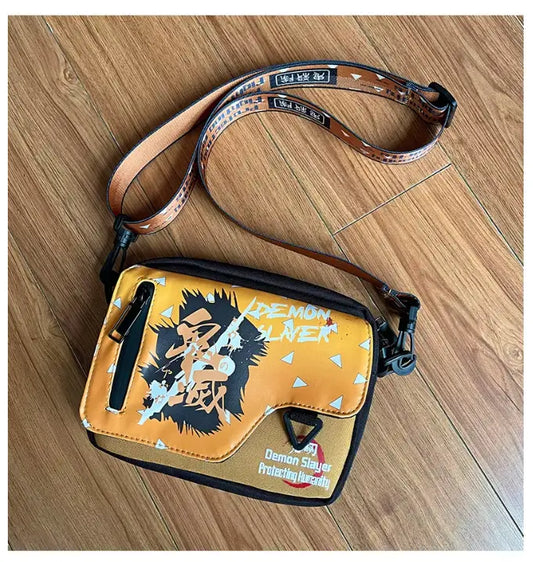
Zenitsu Anime Shoulder Bag
Regular price 35$ USDRegular priceUnit price per -
Zenitsu Anime Face Mask
Regular price 17$ USDRegular priceUnit price per -
Zenitsu Hair Clip & Pins Set
Regular price 26$ USDRegular priceUnit price per -
Zenitsu Retro Anime Shirt
Regular price 26$ USDRegular priceUnit price per -
Zenitsu Anime Ugly Christmas Sweater
Regular price 35$ USDRegular priceUnit price per -
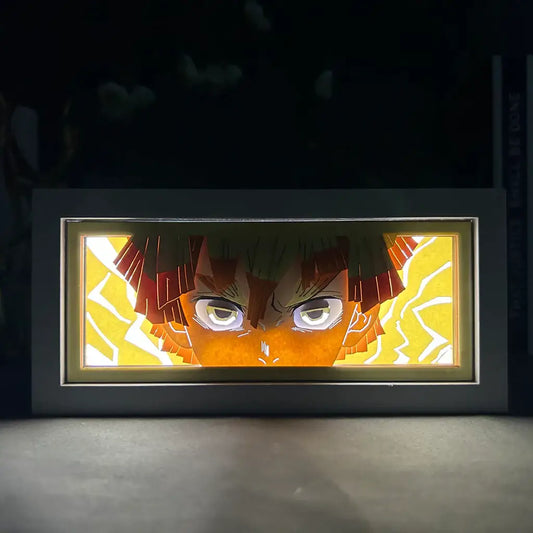
Zenitsu Anime Light Box
Regular price 35$ USDRegular priceUnit price per -

 Sold out
-
Zenitsu Anime Cloak
Regular price 38$ USDRegular priceUnit price per -
Zenitsu Cat Cloak
Regular price 26$ USDRegular priceUnit price per -

 Sold out
Zenitsu Lifting Straps
Regular price 22$ USDRegular priceUnit price per -
Zenitsu Gym Shorts
Regular price 35$ USDRegular priceUnit price per -
Zenitsu Agatsuma Athletic Shorts
Regular price 35$ USDRegular priceUnit price per -
Zenitsu Agatsuma Casual Shorts
Regular price 22$ USDRegular priceUnit price per -
Zenitsu Agatsuma Hanafuda Earrings
Regular price 17$ USDRegular priceUnit price per -
Demon Slayer Zenitsu Lightning Katana Sword Building Blocks with Stand
Regular price 79$ USDRegular priceUnit price per98$ USDSale price 79$ USDSale -
Zenitsu Agatsuma Sword Building Blocks
Regular price 90$ USDRegular priceUnit price per -
Zenitsu Agatsuma Sword Katana Umbrella
Regular price 44$ USDRegular priceUnit price per -
Zenitsu Sword Katana Umbrella
Regular price 44$ USDRegular priceUnit price per -
Zenitsu Anime Light Box
Regular price 35$ USDRegular priceUnit price per -
Agatsuma Zenitsu Anime Geta Sandals
Regular price 38$ USDRegular priceUnit price per



















Demon Slayer character guide
Zenitsu Agatsuma: The Complete Character Guide
Explore his story, friendships, Thunder Breathing, and the courage behind the lightning.
Major spoiler notice: This guide discusses Zenitsu’s battles, Jigoro and Kaigaku, the Infinity Castle, and the ending of Demon Slayer: Kimetsu no Yaiba.
Who Is Zenitsu Agatsuma?
Zenitsu Agatsuma is a Demon Slayer Corps swordsman whose nervous energy and lightning-fast attacks make him one of the most recognizable characters in Demon Slayer: Kimetsu no Yaiba. A contemporary of Tanjiro Kamado and Inosuke Hashibira, he travels with them through dangerous missions while struggling with a fear that he seldom tries to hide.
His first impression can be deceptive. Zenitsu complains, cries, panics, and often believes that he will not survive the next encounter. Yet he has trained relentlessly in Thunder Breathing and possesses remarkably sensitive hearing. When terror overwhelms him, he sometimes falls unconscious and fights with startling precision. Over time, his story asks what courage means when fear does not simply disappear.
He also belongs to a group with sharply contrasting ways of facing danger. Tanjiro usually leads with empathy, Inosuke rushes toward a challenge, and Zenitsu voices the fear the others may keep inside. Those differences give their conversations energy and make their cooperation rewarding. The group becomes stronger because each person brings something distinct to a mission.
Created by Koyoharu Gotouge, Zenitsu appears in the original manga and its ufotable anime adaptation. His yellow patterned haori, orange-tipped hair, and lightning imagery make his silhouette easy to recognize. Behind that bright design is a story about an unlikely student, a patient teacher, close friendships, and the ability to choose compassion under pressure.
The series takes place in a fictionalized version of Japan's Taisho period, where trains and growing cities exist alongside mountain villages and older traditions. Demons threaten ordinary people after dark, while the Corps works largely out of public view. Zenitsu's missions take him through several of these settings, from a remote mansion to a busy entertainment district.
Zenitsu at a Glance
Zenitsu Agatsuma
Koyoharu Gotouge
Demon Slayer: Kimetsu no Yaiba
Demon Slayer Corps
Thunder Breathing
Thunderclap and Flash
Jigoro Kuwajima
Exceptional hearing
Hiro Shimono
Aleks Le

Zenitsu's Early Life and Training
Zenitsu's early life is marked by uncertainty and a strong desire to be accepted. He was taken advantage of in a relationship and left with a debt he could not repay. Jigoro Kuwajima, a former Thunder Hashira, paid the debt and took him in as a pupil. Zenitsu calls Jigoro his grandfather, a term of affection that reflects their family-like bond rather than proof of a biological relationship.
Jigoro's training is demanding. Zenitsu is frightened by the work and doubts he can succeed, but his teacher continues to believe that focused practice can turn one ability into a strength. During training Zenitsu is struck by lightning, an incident associated with his distinctive yellow hair. The episode captures the mixture of exaggerated humor and real hardship that defines much of his early story.
Zenitsu does not master the full set of established Thunder Breathing forms. Instead, he concentrates on the First Form, Thunderclap and Flash. Jigoro teaches him that repeating and refining a single technique can be valuable. Zenitsu eventually develops the speed and control to extend that foundation in ways that surprise opponents who underestimate him.
A teacher who saw potential
The contrast between Jigoro and Zenitsu is also a contrast between experience and self-doubt. Jigoro understands that a student will not become reliable overnight. Zenitsu sees every mistake as evidence of failure. Their lessons unfold over time, giving repeated practice a human setting: a teacher keeps showing up, and a frightened pupil continues returning to the work.
Jigoro's faith is important because Zenitsu rarely gives himself the same generosity. His teacher corrects him and insists on discipline, but also gives him a place to belong. Their relationship remains central long after Zenitsu leaves training, shaping the choices he makes when his past returns during the final battle.
Appearance, Clothes, and Sword
Zenitsu's most familiar outfit combines the dark Demon Slayer uniform with a yellow-to-orange haori covered in small white triangles. His straight hair is cut around his face and fades toward orange at the tips. The warm colors make him stand out beside Tanjiro's green checks and Inosuke's boar mask, while the triangle pattern gives his clothing a connection to the series' sharp, lightning-like visual language.
He wears white leg wraps and carries a Nichirin sword, the special kind of blade used by the Demon Slayer Corps. His blade features a lightning pattern, making the weapon instantly identifiable when he draws it. Like other Corps swordsmen, he relies on training, timing, and the properties of his sword against demons.
His expression changes as much as his costume stays recognizable. Wide eyes and a trembling voice often signal panic, while a lowered stance and a hand near the sword suggest an imminent burst of movement. That contrast helps the anime switch quickly between comedy, suspense, and action without needing to explain the change in words.
The clothing also reads clearly in group scenes. The patterned haori identifies Zenitsu even when his face is turned away or the action moves quickly. Artists can suggest his presence with a few triangles and a flash of yellow, just as a sword guard or a familiar posture can evoke a character. This visual simplicity helps make his detailed action scenes easy to follow.
Personality: Fear, Kindness, and Determination
Zenitsu is outspoken about his anxiety. He imagines terrible outcomes, begs for reassurance, and sometimes tries to avoid danger altogether. Those reactions can be funny, but they also make him feel vulnerable in a world where even experienced fighters can die. His fear is not evidence that the threats around him are harmless.
He can also be dramatic and overbearing, especially in his pursuit of romance. His early behavior toward women, including his loud declarations to Nezuko, is played for comedy but can feel uncomfortable. Recognizing that flaw gives a fuller picture of his character instead of treating every joke as a sign of maturity.
Alongside the panic is a person who notices distress and wants to help. He protects people even when he expects to be hurt, and he places value on the care he receives from his friends and teacher. His most meaningful growth does not require him to become a completely different person. It appears when he acts with purpose while still carrying insecurity and grief.
Does Zenitsu fight only while asleep?
No. Early in the story, some of his most striking fights happen after fear causes him to lose consciousness. Later, he shows that his skill is not permanently dependent on sleeping. His confrontation with Kaigaku is especially important because he faces a deeply personal enemy while awake and fully aware of his choice.
Zenitsu's Story: From First Mission to Infinity Castle
Final Selection and the Tsuzumi Mansion
Zenitsu passes Final Selection in the same cohort as Tanjiro. When Tanjiro meets him afterward, Zenitsu is already desperate and pleading with a young woman to marry him. They are sent toward a mansion where a demon's drums alter the rooms. Zenitsu enters with Shoichi, one of the children seeking help, while the group becomes separated.
Inside the mansion, Zenitsu encounters a demon and demonstrates Thunderclap and Flash after losing consciousness. He also tries to keep Shoichi safe. Outside, he shields Tanjiro's wooden box from Inosuke's attacks because he understands how important it is to Tanjiro. He risks injury for someone he has only recently met, making the scene an early example of loyalty preceding confidence.
Mount Natagumo
The mountain mission exposes the young swordsmen to the terrifying spider demon family. Zenitsu becomes isolated in the forest and is poisoned by the spider demon who calls himself the family's son. Recalling Jigoro's lessons, he uses Thunderclap and Flash: Sixfold to defeat him. The victory does not erase the poison, and help from the Corps is needed afterward.
This battle gives the audience a clearer look at the effort behind his speed. Memories of repeated training run beside his fear, and the attack turns a single foundational movement into a sequence. Zenitsu wins his own encounter, while Tanjiro and Inosuke confront different threats elsewhere on the mountain.
Mugen Train
The train is a different setting from the isolated roads and forests of earlier missions. Dozens of ordinary passengers share a confined space with the fighters, so protecting people requires attention to several places at once. Zenitsu's role fits that larger problem: the group must divide responsibility and respond quickly rather than gather around a single opponent.
Zenitsu joins Tanjiro, Nezuko, Inosuke, and Flame Hashira Kyojuro Rengoku on the Mugen Train. Enmu's supernatural sleep threatens the passengers, and each fighter experiences the mission differently. Zenitsu dreams of a happy time with Nezuko, then helps protect people as the train itself becomes part of the danger.
Zenitsu and Nezuko cooperate to defend passengers from the demon's attacks. Rengoku, Tanjiro, and Inosuke also have vital roles in saving the people aboard. The mission ends in a devastating encounter between Rengoku and Akaza. Its consequences affect the whole group and remind them of the responsibility carried by the Hashira.

Entertainment District
The district investigation begins as a search for missing people, giving Zenitsu an assignment that requires patience as well as combat. The disguise changes how the team moves through an unfamiliar neighborhood. Once the danger becomes clear, the story shifts from investigation to a sprawling fight in which several people must act at the right time.
Sound Hashira Tengen Uzui takes Zenitsu, Tanjiro, and Inosuke to the Entertainment District to investigate the disappearance of his wives. The three younger Demon Slayers enter the district in disguise. Zenitsu's behavior provides comic moments, but the investigation becomes deadly when the group uncovers demons connected to the Upper Ranks.
In the battle against Daki and Gyutaro, the fighters must coordinate their efforts against two opponents whose defeat is linked. Zenitsu and Inosuke work together against Daki while Tanjiro and Tengen face Gyutaro. Zenitsu uses the faster Godspeed variation to help close the distance. Nezuko, Tengen's wives, and the other fighters also make essential contributions to the group's survival and victory.
Hashira Training and the letter
Zenitsu is not one of the central fighters during Tanjiro's Swordsmith Village mission. Later, during Hashira Training, he receives a letter that changes his demeanor. Its news concerns Jigoro and Kaigaku, the fellow student with whom he trained. Zenitsu becomes unusually quiet and resolves to confront the person connected to his teacher's death.
Infinity Castle and the final battle
Inside the Infinity Castle, Zenitsu faces Kaigaku, who has become a demon and taken the vacant Upper Six position. Their shared training makes the fight personal: Kaigaku could use established Thunder Breathing forms that Zenitsu could not, while Zenitsu built extraordinary skill from the First Form.
Zenitsu reveals a technique he created himself, the Seventh Form, and defeats Kaigaku while awake. The victory is painful rather than celebratory. He has lost his teacher and had to confront someone who might once have shared a future with him. Yushiro later helps save Zenitsu, and the final struggle against Muzan involves many surviving members of the Corps working together.
Zenitsu's Most Important Relationships
Jigoro Kuwajima: Teacher and chosen family
Jigoro gives Zenitsu structure, shelter, and a reason to keep practicing. His former position as Thunder Hashira adds weight to his teaching, but his deepest influence is personal. He recognizes that Zenitsu's sensitivity and fear do not make him incapable of growth. Zenitsu's later achievements honor the hours of practice they shared, even though that bond ends in tragedy.
Tanjiro Kamado: A friend worth protecting
Tanjiro's kindness helps Zenitsu feel included. Their friendship begins under pressure, with Zenitsu protecting the box Tanjiro carries even before he understands the full story. Tanjiro listens to him, supports him after difficult missions, and fights beside him. Their different temperaments create humor, but their shared desire to protect others makes them reliable allies.
Nezuko Kamado: Affection and trust
Zenitsu is immediately infatuated with Nezuko, and his exaggerated declarations are a recurring part of the series' comedy. Their relationship develops within the wider group as they fight alongside one another, including on the Mugen Train. The manga's ending points toward a shared family legacy through their descendants. It is useful to distinguish that later outcome from Zenitsu's much less mature first impressions.
Inosuke Hashibira: Rivalry and teamwork
Their contrasting instincts make each partner useful to the other. Inosuke's aggression pushes the group toward action, while Zenitsu's awareness and speed offer a different answer to a fast-moving threat. They do not need to share a personality or agree on everything to trust one another in a dangerous situation.
Inosuke's aggressive confidence clashes with Zenitsu's fearful complaints. Their earliest encounters are rough, yet repeated missions turn the odd pairing into a functional team. In the Entertainment District, they combine speed and coordination against Daki. Their friendship is rarely quiet, but it grows through action and shared danger.
Kaigaku: A fractured brotherhood
Kaigaku and Zenitsu study under Jigoro, but they respond very differently to the teacher's guidance and to each other's strengths. Kaigaku becomes a demon, an act followed by Jigoro's death by suicide. Zenitsu does not treat that loss as a reason to abandon his training. Their eventual duel forces him to face grief, anger, and the question of what he will carry forward from Jigoro's lessons.

Thunder Breathing and Zenitsu's Techniques
Thunder Breathing is a sword style associated with explosive acceleration and decisive strikes. Zenitsu's training emphasizes powerful legwork, breathing, posture, and drawing the sword at the right instant. The anime presents these movements with vivid lightning imagery and sound. The effects help viewers read the speed and impact of the technique; they should not be confused with proof that every swordsman is creating ordinary electrical bolts.
First Form: Thunderclap and Flash
One way to follow the move is to watch its setup as closely as its finish. Zenitsu steadies himself, lowers his center of gravity, and commits to a short window of movement. The attack is usually over quickly, so the pause beforehand gives the viewer time to understand the distance and the risk. Sound and lighting then make the release feel sudden.
Zenitsu's signature technique begins from a low stance and becomes a rapid forward dash and slash. It is the foundation he practices repeatedly under Jigoro. Its apparent simplicity leaves room for demanding details: the placement of his feet, the moment of acceleration, control of his blade, and the distance to the target all matter.
Sixfold and Eightfold
Sixfold repeats the First Form in a chain of six rapid movements. Zenitsu uses it against the spider demon on Mount Natagumo. Eightfold is another extension that increases the sequence to eight movements. These are variations of Thunderclap and Flash, not the Second and Third Forms of Thunder Breathing.
Godspeed
Godspeed is a faster variation of Thunderclap and Flash. Zenitsu uses it in the Entertainment District when he and Inosuke need to reach Daki. That exceptional acceleration puts considerable strain on his legs, so the technique carries a physical cost. Its strength lies in creating an opening quickly, not in making him invulnerable.
Seventh Form: Honoikazuchi no Kami
Zenitsu creates his own Seventh Form, often rendered in English as Flaming Thunder God. He uses it in his battle against Kaigaku. The technique represents both his personal growth and his desire to stand alongside the fellow student who trained under Jigoro. Its dragon-like visual imagery gives the moment a scale that matches the emotional stakes.
Zenitsu is not shown mastering all six of the established forms. Kaigaku, by contrast, can use other Thunder Breathing forms but cannot perform the First Form. Their different abilities matter to the story because neither student's progress follows the same route. Zenitsu's Seventh Form is an individual creation, while Sixfold, Eightfold, and Godspeed are variations built on the First.

Major Battles and What They Reveal
The tongue demon at the mansion
The changing rooms add confusion to an already frightening assignment. Zenitsu and Shoichi cannot rely on a straightforward route through the building, and the child needs someone to stay with him. For a character who repeatedly says he wants to run away, remaining there is a meaningful choice even before the sword strike arrives.
The mansion encounter introduces the gap between Zenitsu's outward panic and his trained reflexes. His sudden movement surprises the demon as well as the audience. The scene also places a frightened child beside him, showing why a successful strike matters beyond its visual spectacle.
The spider demon on Mount Natagumo
Zenitsu's fight on the mountain adds a serious consequence to the formula. Poison is already working through his body, and victory alone does not guarantee safety. Sixfold rewards the effort he spent refining his First Form, while his memories of Jigoro give the fight emotional context.
Daki in the Entertainment District
Against Daki, Zenitsu's speed helps a coordinated plan. He and Inosuke pursue the opportunity to sever her head while the other members of the group handle equally dangerous parts of the fight. The scene is a reminder that a brilliant technique works best when it serves a larger team.
Kaigaku in the Infinity Castle
Their final exchange also changes the meaning of Zenitsu's desire to improve. He had wanted a technique that could allow him to stand beside Kaigaku, not simply surpass him. By the time he reveals it, that possibility is gone. The Seventh Form therefore carries a memory of shared training as well as the force of a finishing move.
Kaigaku knows the style Zenitsu uses and brings demonic abilities to their confrontation. Zenitsu answers with his own Seventh Form and defeats him. He then needs Yushiro's help to survive his injuries. The outcome is important, but the emotional center is Zenitsu's decision to face his past without relying on an unconscious state.
Strengths, Limitations, and Fighting Style
Exceptional hearing
Zenitsu's hearing helps him notice sounds and changes that other people may miss. The official anime profile identifies this sensitivity as one of his defining traits. It can help him perceive danger and read situations, though it does not make him all-knowing or remove the need to interpret what he hears.
Speed built through repetition
Zenitsu's best attacks depend on precise timing and rapid movement. Concentrating on the First Form allows him to develop a recognizable specialty instead of spreading his effort evenly across every technique. His later variations demonstrate creativity as well as speed.
Physical and emotional limits
The story often shows recovery as part of the work of being a Demon Slayer. Poison, exhaustion, and injuries have consequences after the immediate danger has passed. Zenitsu's victories are therefore easier to appreciate when the people who treat, rescue, and protect him are included in the account. His strength belongs within a network of support.
His strongest bursts strain his body, and serious injuries can leave him needing help. Fear can also interfere with his confidence before a fight begins. These limitations make teamwork especially important. He is powerful in the right moment, but the story does not present him as someone who can solve every battle alone.
What Zenitsu's Character Represents
Courage can coexist with fear
Zenitsu rarely resembles the calm hero who faces danger without hesitation. His fear gives his choices weight: when he protects a child or a friend's belongings, he has a clear sense of what might happen to him. The story separates bravery from the ability to look fearless.
Mastery can begin with one skill
The First Form becomes a symbol of focused practice. Jigoro does not promise that talent will replace work. He encourages Zenitsu to take what he can do and continue improving it. Sixfold, Godspeed, and the Seventh Form show different stages of that learning process, without suggesting that everyone must specialize in the same way.
Belonging changes what is possible
His friendships are imperfect. Zenitsu can be selfish, loud, and demanding, and his companions do not always respond with patience. Those rough edges make the bonds feel earned over repeated experiences. He gradually learns to rely on others and to become someone they can rely on in return, even when his habits remain familiar.
Zenitsu responds strongly to kindness because he has spent much of his life feeling unwanted or inadequate. Jigoro's support and his friendships in the Corps give him people to trust. His later resolve grows from those relationships, not simply from a desire to become stronger than someone else.
Grief and responsibility
The confrontation with Kaigaku is not a tidy lesson in revenge. Zenitsu cannot restore Jigoro by winning. He can, however, choose how to respond to the harm Kaigaku has caused and preserve the care his teacher showed him. That distinction gives his final personal battle a sense of loss as well as accomplishment.

Zenitsu in the Manga, Anime, and Novels
The original Demon Slayer: Kimetsu no Yaiba manga by Koyoharu Gotouge is the foundation of Zenitsu's story. Readers can follow his early missions, friendships, and final battles across the main series. The anime adapts those events with music, voice acting, lighting, and animation that give Thunder Breathing a distinctive rhythm.
The manga lets readers control the pace of a reveal, moving from a quiet panel to a sudden strike at their own speed. The anime controls that timing through a held breath, a sound cue, and a burst of motion. Both versions can make the same encounter memorable, but each medium emphasizes different details. Comparing them is especially rewarding during Zenitsu's major duels.
Japanese actor Hiro Shimono voices Zenitsu in the anime, and Aleks Le voices him in the English dub. Their performances have to move between frantic comedy, vulnerability, and intense action. Official cast lists identify both actors, while the Japanese and English editions can differ in how a technique's name is translated.
Sound is especially effective for a character defined by hearing. The adaptation uses changes in volume, silence, and the crack of a sudden dash to distinguish Zenitsu's perspective and make his attacks feel immediate. Watching a sequence after reading it in the manga can reveal how performance and editing shape the same character moment.
The Mugen Train mission is available as a feature film and as an episodic television arc. The Entertainment District follows the train story, while the first Infinity Castle film adapts part of the final confrontation. Availability and viewing options vary by location, so official distributors are the best source for current access.
For an additional story, the light novel One-Winged Butterfly includes a Zenitsu and Inosuke episode connected to Uzui's training. VIZ credits the original concept to Koyoharu Gotouge and the writing to Aya Yajima. It is a companion novel, not a replacement for the main manga.
Explore the Zenitsu Collection
Zenitsu's golden palette and triangle pattern translate naturally into clothing, accessories, and display pieces. The Zenitsu shirt collection includes designs for everyday outfits, while the Zenitsu plush collection offers a softer way to display the character. Product availability can change, so check each listing for its current options.
Fans of his sword can also browse the Nichirin sword collection. To continue exploring the series, visit the wider Demon Slayer collection, the Inosuke collection, or the Rengoku collection. Each collection highlights a different part of the world Zenitsu shares with his fellow Demon Slayers.
Whether the appeal is his thunder-fast swordsmanship or the quieter courage behind it, Zenitsu's story finds strength in practice, friendship, and the decision to keep moving forward. His fear is part of the journey, and so is the care he learns to show the people around him.
Zenitsu FAQ
Quick answers about Zenitsu’s story, relationships, and Thunder Breathing.
Who is Zenitsu Agatsuma?
Zenitsu is a Demon Slayer Corps swordsman and one of Tanjiro Kamado's companions in Demon Slayer: Kimetsu no Yaiba.
Who created Zenitsu?
Koyoharu Gotouge created Zenitsu for the original Demon Slayer manga.
What is Zenitsu's full name?
His full name is Zenitsu Agatsuma. Japanese name order places the family name Agatsuma first.
What organization does Zenitsu belong to?
He belongs to the Demon Slayer Corps, an organization dedicated to protecting people from demons.
Is Zenitsu a Hashira?
No. Zenitsu is a skilled Demon Slayer, but he is not established as a Hashira in the main story.
What breathing style does Zenitsu use?
Zenitsu uses Thunder Breathing, a sword style associated with explosive movement and rapid attacks.
What is Zenitsu's signature technique?
His signature technique is Thunder Breathing, First Form: Thunderclap and Flash.
What is Thunderclap and Flash?
It is a rapid sword-drawing attack in which Zenitsu accelerates toward a target and delivers a slash.
What is Sixfold?
Sixfold is a variation that chains six uses of the First Form in rapid succession.
What is Eightfold?
Eightfold is a variation of Thunderclap and Flash that extends the sequence to eight rapid movements.
What is Godspeed?
Godspeed is a faster variation of Thunderclap and Flash that places significant strain on Zenitsu's legs.
Did Zenitsu invent a breathing form?
Yes. He created a Seventh Form of Thunder Breathing, which he uses against Kaigaku.
What is Zenitsu's Seventh Form called?
It is called Honoikazuchi no Kami, often translated as Flaming Thunder God.
Can Zenitsu use every Thunder Breathing form?
He does not master all of the established forms. His training centers on the First Form, and he later creates a Seventh.
Are Sixfold and Godspeed separate numbered forms?
No. They are variations of the First Form, Thunderclap and Flash.
Why does Zenitsu fight while unconscious?
When he becomes extremely frightened, he sometimes blacks out and his trained reflexes take over.
Can Zenitsu fight while awake?
Yes. His confrontation with Kaigaku demonstrates that he can use his skills while awake.
Who trained Zenitsu?
Jigoro Kuwajima, a former Thunder Hashira, trained Zenitsu in Thunder Breathing.
Is Jigoro Zenitsu's biological grandfather?
The story presents Jigoro as Zenitsu's teacher and a grandfather figure. Their bond does not establish a biological relationship.
Why does Zenitsu call Jigoro Grandpa?
The affectionate title reflects the close, family-like relationship they build during Zenitsu's training.
Why is Zenitsu's hair yellow?
During training, Zenitsu is struck by lightning, an incident associated with his hair turning yellow.
What does Zenitsu wear?
He wears a dark Demon Slayer uniform beneath a yellow-orange haori patterned with small white triangles.
What kind of sword does Zenitsu carry?
He carries a Nichirin sword with a distinctive lightning pattern on its blade.
What is special about Zenitsu's hearing?
His hearing is exceptionally sensitive, helping him notice sounds and assess situations that others may miss.
Does Zenitsu pass Final Selection?
Yes. He passes Final Selection in the same cohort as Tanjiro and several other young Demon Slayers.
Where does Zenitsu meet Tanjiro?
Tanjiro meets Zenitsu after Final Selection, before they become involved in the Tsuzumi Mansion mission.
Why does Zenitsu protect Tanjiro's box?
He recognizes that the box is important to Tanjiro and protects it from Inosuke despite being injured.
Which demon does Zenitsu fight in the Tsuzumi Mansion?
He fights a demon with a long tongue while protecting a child named Shoichi.
Which demon does Zenitsu defeat on Mount Natagumo?
He defeats the spider demon who calls himself the son of the spider family.
How does Zenitsu defeat the spider demon?
He uses Thunderclap and Flash: Sixfold, drawing on the training he received from Jigoro.
Does Zenitsu need help after the spider fight?
Yes. He has been poisoned, and members of the Corps help him after his victory.
What does Zenitsu do on the Mugen Train?
He helps protect passengers from Enmu's attack and fights alongside Nezuko.
What does Zenitsu dream about on the Mugen Train?
He dreams of a happy time with Nezuko while Enmu's sleep attack affects the passengers.
Does Zenitsu fight Akaza?
No. Akaza's central battle on the Mugen Train is against Kyojuro Rengoku.
Who accompanies Zenitsu to the Entertainment District?
He joins Tanjiro, Inosuke, and Sound Hashira Tengen Uzui on the investigation.
Does Zenitsu fight Daki?
Yes. He and Inosuke work together against Daki as part of the larger group battle.
Does Zenitsu defeat Daki alone?
No. Her defeat depends on coordinated action by Zenitsu, Inosuke, and the other fighters facing the Upper Rank siblings.
Is Zenitsu a major fighter in the Swordsmith Village mission?
No. Tanjiro's Swordsmith Village mission centers on other allies and Hashira.
Why does Zenitsu become serious during Hashira Training?
He receives news concerning Jigoro and Kaigaku, prompting him to prepare for a deeply personal confrontation.
Who is Kaigaku?
Kaigaku is another student of Jigoro who becomes a demon and later occupies the Upper Six position.
Were Zenitsu and Kaigaku trained by the same teacher?
Yes. Both studied Thunder Breathing under Jigoro Kuwajima.
Did Kaigaku kill Jigoro directly?
No. Jigoro died by suicide after Kaigaku became a demon. The story connects the events without showing Kaigaku directly killing him.
Who wins the fight between Zenitsu and Kaigaku?
Zenitsu defeats Kaigaku in the Infinity Castle using his self-created Seventh Form.
Is Zenitsu asleep when he fights Kaigaku?
No. Zenitsu faces Kaigaku while awake.
Who helps Zenitsu after his battle with Kaigaku?
Yushiro helps save Zenitsu after the fight leaves him severely injured.
Does Zenitsu survive the main story?
Yes. Zenitsu survives the final conflict in the manga.
Does Zenitsu love Nezuko?
He is openly infatuated with Nezuko, and their relationship is part of his story throughout the series.
Do Zenitsu and Nezuko have a family legacy?
The manga's epilogue introduces descendants associated with Zenitsu and Nezuko.
Are Zenitsu and Inosuke friends?
Yes. Their personalities clash, but shared missions turn them into loyal teammates and friends.
Why does Zenitsu admire Jigoro?
Jigoro gives him support, training, and a sense of belonging when Zenitsu has little confidence in himself.
Who voices Zenitsu in Japanese?
Hiro Shimono voices Zenitsu in the Japanese anime.
Who voices Zenitsu in English?
Aleks Le voices Zenitsu in the English-language anime dub.
Who animates Demon Slayer?
The anime adaptation is produced by ufotable, based on Koyoharu Gotouge's manga.
Is Zenitsu in the Infinity Castle film?
Yes. Zenitsu is featured in the first Infinity Castle film and its official character materials.
Where can I read more about Zenitsu?
The original manga follows his main story. The companion novel One-Winged Butterfly also includes a Zenitsu and Inosuke episode.
